
Yin Yang Symbol Meaning in Feng Shui and How to Use It at Home


The Yin Yang symbol is one of the most recognized images in Feng Shui, but many people only know it as a general sign of balance.
In reality, it carries a deeper meaning that can help you understand how energy works in your home and daily life. If you want a space that feels calmer, more grounded, and more supportive, this symbol offers a simple starting point.
In this guide, you’ll learn what the Yin Yang symbol means in Feng Shui, why it matters, and how to use it in a thoughtful way at home.
What the Yin Yang Symbol Means in Feng Shui
In Feng Shui, the Yin Yang symbol represents the dynamic balance of opposite but complementary forces. Yin energy is linked to softness, rest, quiet, darkness, and inward reflection. Yang energy is connected to brightness, action, movement, warmth, and outward expression.
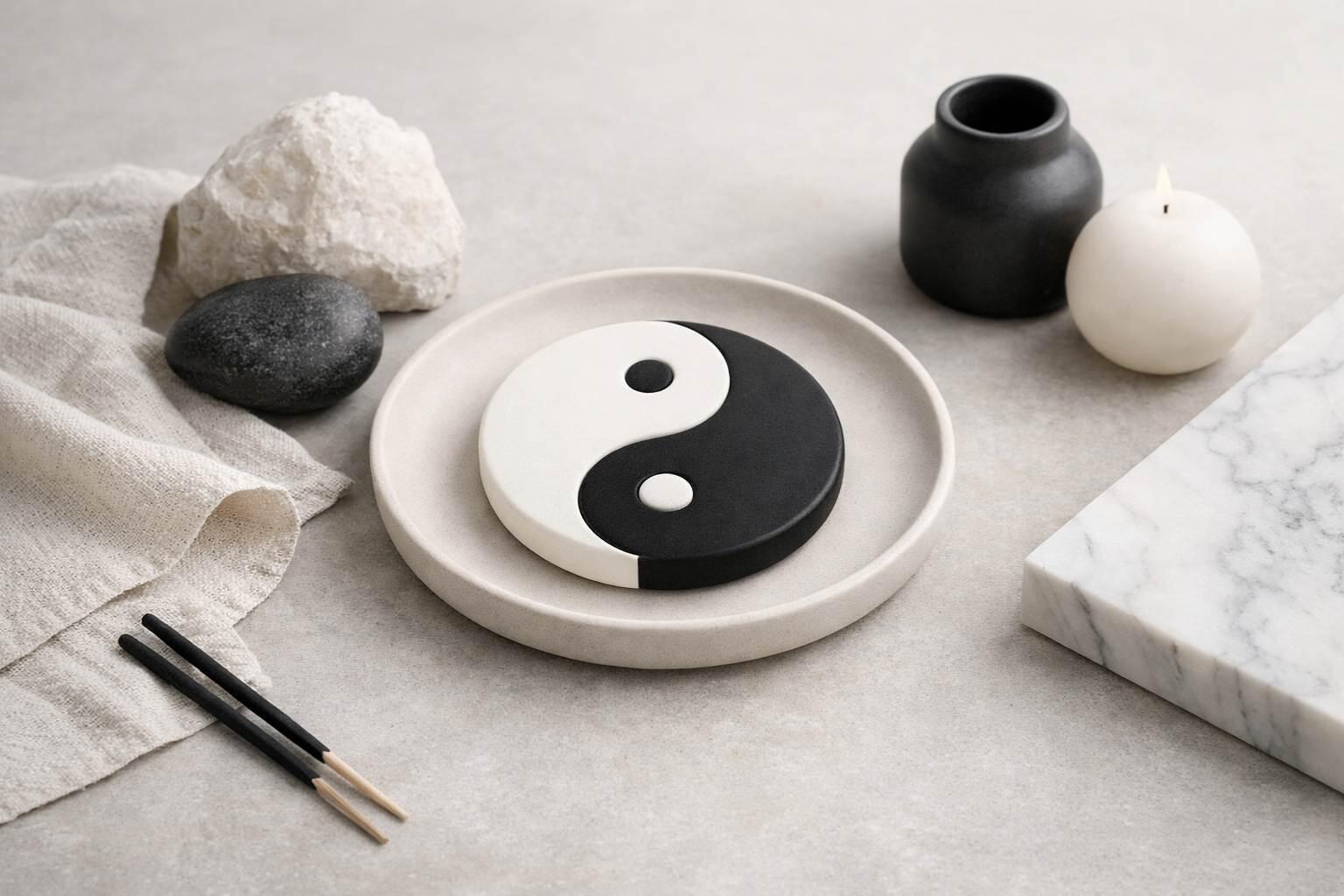
These energies are not enemies. They need each other. A home that is too yin may feel dull, heavy, or stagnant. A home that is too yang may feel restless, loud, or overwhelming. The purpose of Feng Shui is not to eliminate one side, but to create a healthy relationship between both.
The symbol itself shows this perfectly. The black and white halves curve into each other, and each side contains a small dot of the opposite color. This reflects an important Feng Shui idea: nothing is completely yin or completely yang. Every space, habit, and room contains both qualities.
Why the Yin Yang Symbol Matters for Home Energy
The Yin Yang symbol matters in Feng Shui because it reminds you to look for balance instead of extremes. Many homes feel “off” not because one item is wrong, but because the overall energy is too heavily weighted in one direction.
For example, a bedroom with harsh lighting, bright colors, and too many electronics may feel too yang for restful sleep. On the other hand, a workspace with dim light, heavy fabrics, and very little movement may feel too yin for focus and motivation.
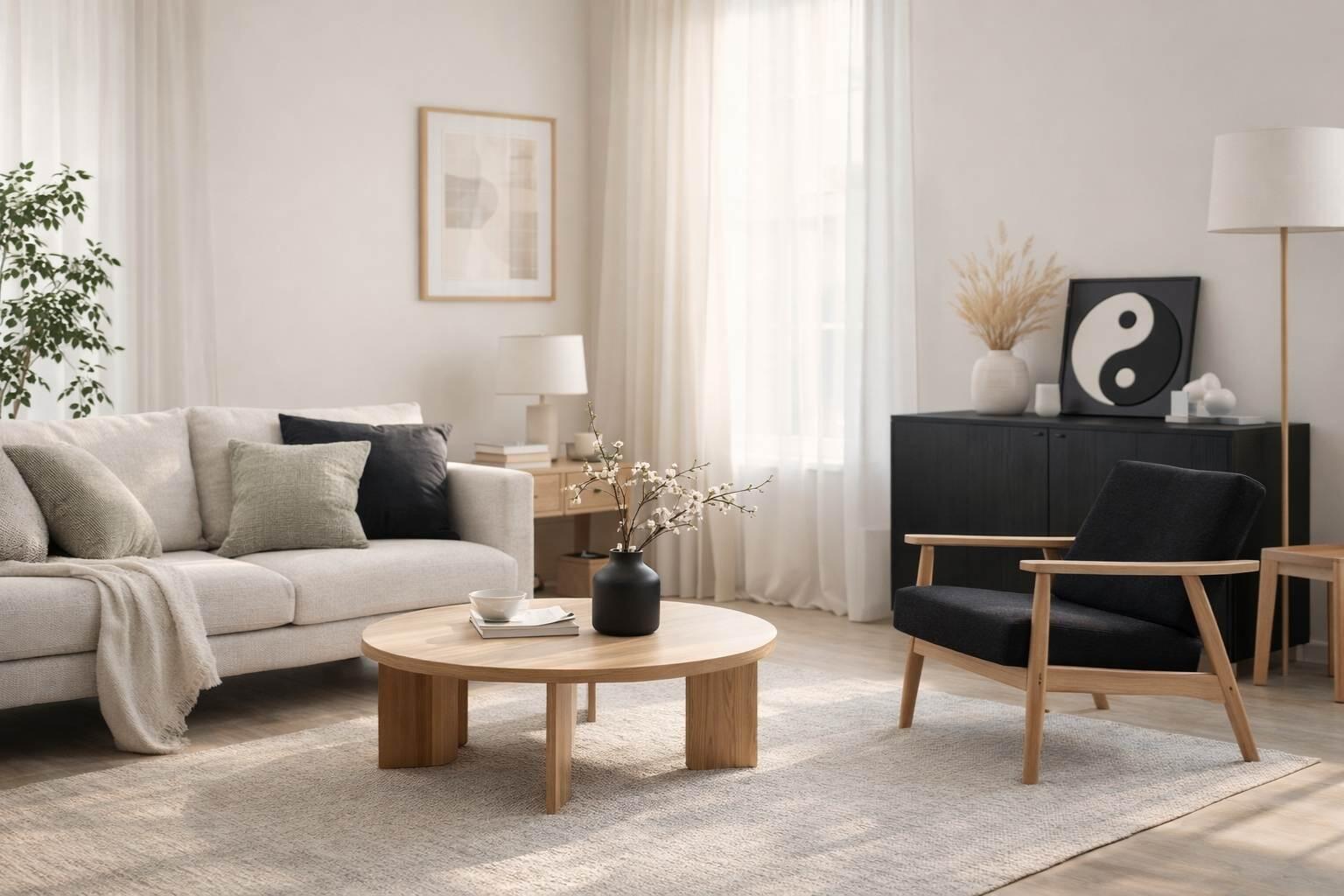
When you understand Yin Yang energy, you start to see your home differently. You can ask better questions, such as:
Does this room feel restful or overstimulating?
Is there enough light, softness, structure, and flow?
Does this space support the way I want to feel here?
That is why the Yin Yang symbol is more than decoration. It represents a core Feng Shui principle that can guide how you style and organize your home.
Yin and Yang Energy in Different Rooms
Different rooms naturally benefit from different energy balances. Instead of making every room feel the same, Feng Shui encourages you to support the purpose of each space.
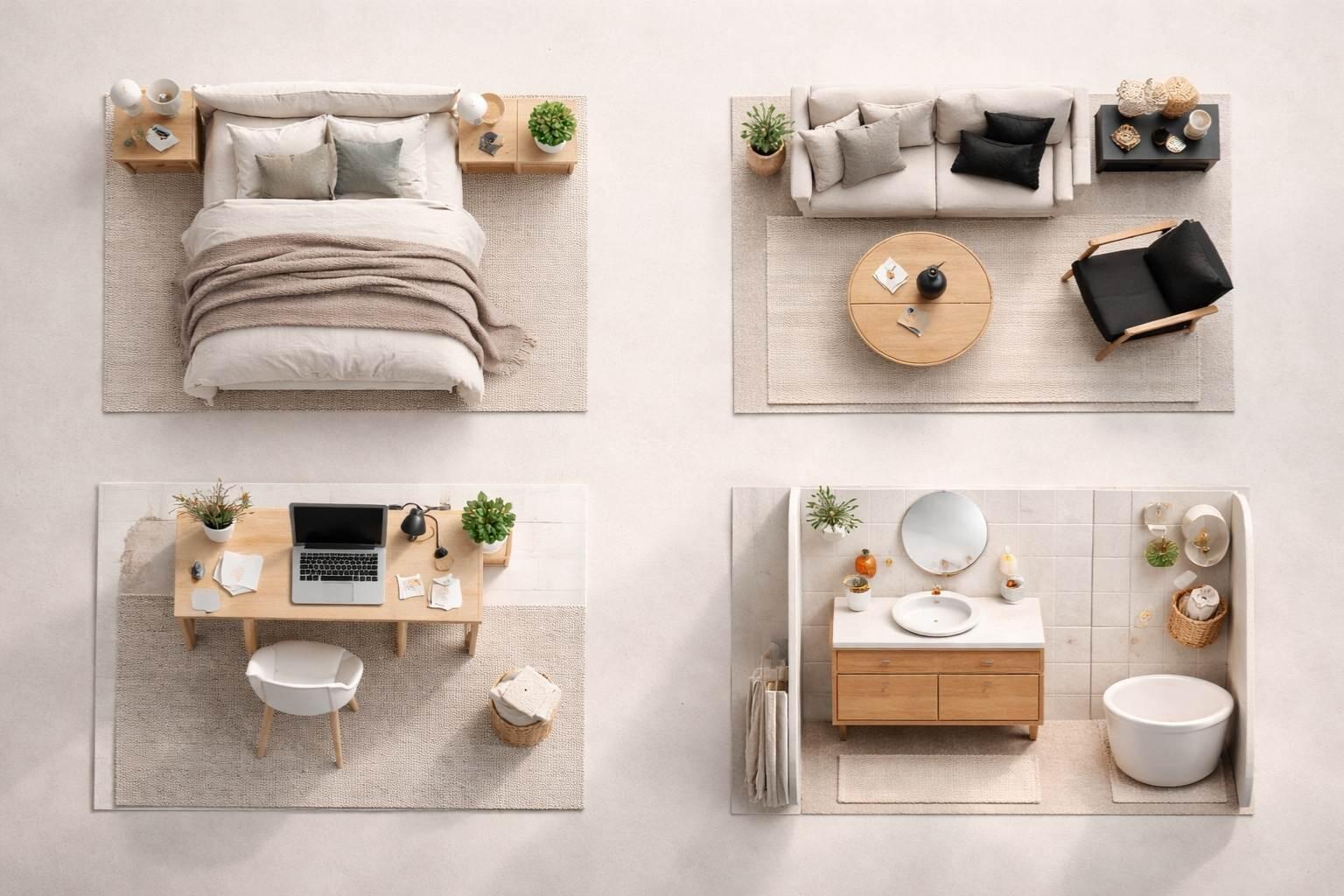
Bedroom
A bedroom should lean more yin. This space benefits from soft textures, calming colors, gentle lighting, and minimal visual noise. Too much yang energy here can make it harder to unwind.
Living Room
A living room usually needs a mix of yin and yang. It should feel welcoming and comfortable, but still lively enough for conversation and connection. A balance of soft seating, natural light, and thoughtful decor works well.
Home Office
A home office often needs more yang energy to support focus, clarity, and productivity. Brighter light, cleaner lines, and more active energy can help this room feel motivating without becoming stressful.
Bathroom
A bathroom can easily feel cold or drained if the design lacks warmth. Adding balanced elements like natural textures, warm accents, or soft lighting can make it feel more stable and supportive.
How to Use the Yin Yang Symbol at Home
You do not need to fill your home with obvious Feng Shui symbols to benefit from their meaning. The best way to use the Yin Yang symbol is with intention and moderation.
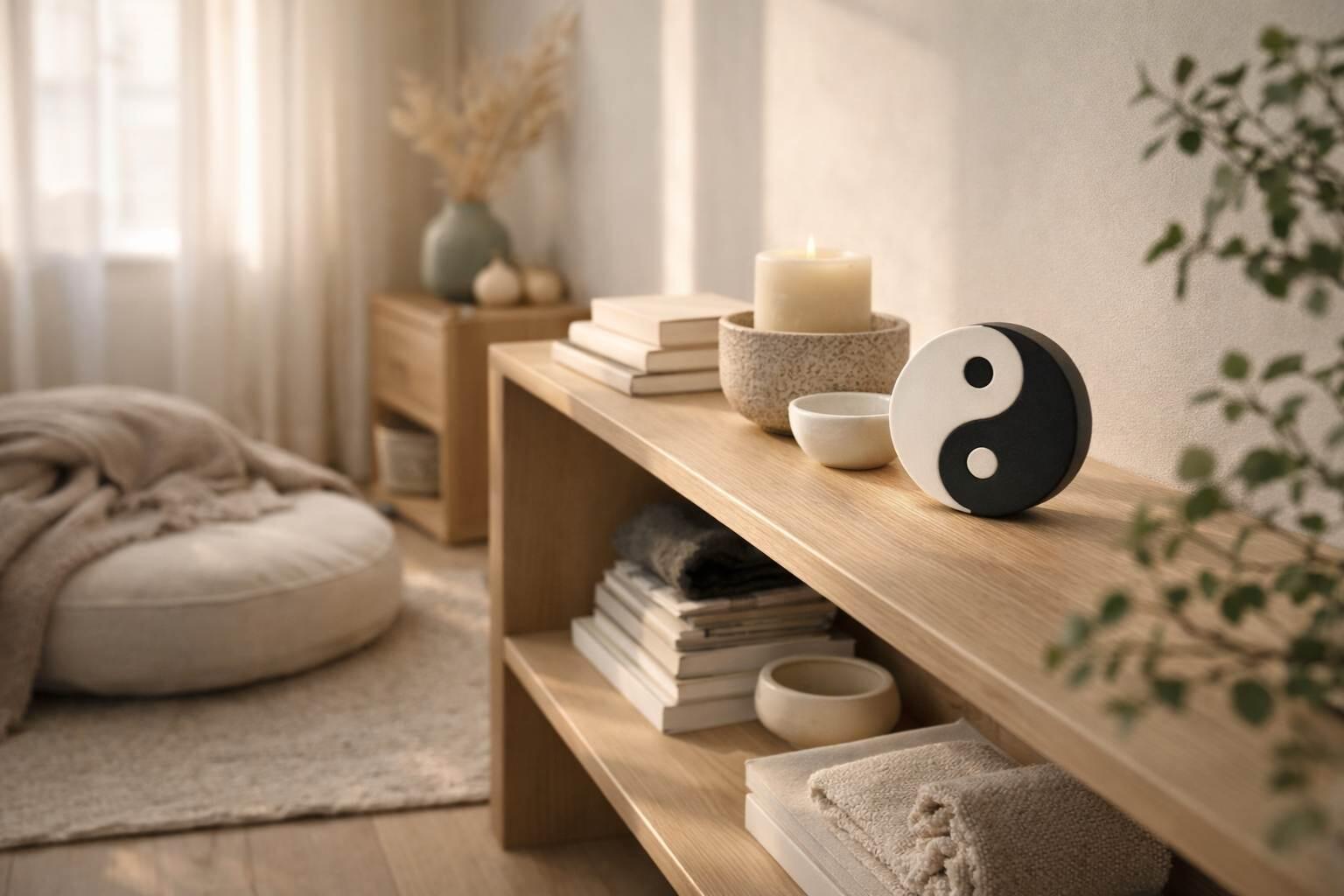
Here are a few practical ways to bring it into your space:
1. Use it as a reminder of balance
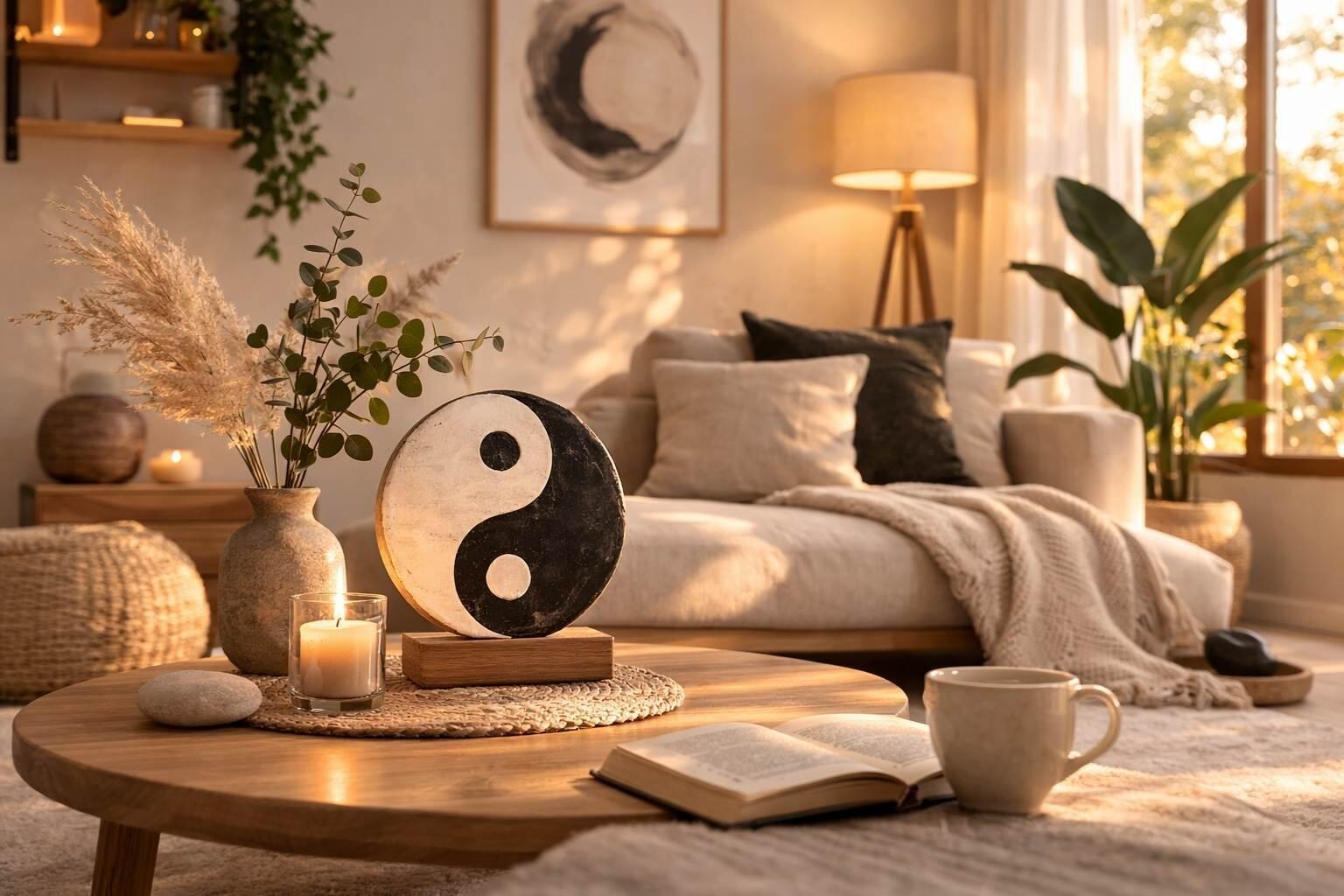
Place the symbol somewhere meaningful, such as a meditation corner, bookshelf, entryway table, or home office shelf. This works best when you want a visual cue to return to balance in your daily routines.
2. Choose decor that reflects harmony
You can bring in the symbol through wall art, ceramics, textiles, or small decorative accents. Choose pieces that fit naturally with your home instead of making the symbol feel forced or overly themed.
3. Pair the symbol with balanced design choices
The symbol is most powerful when the room itself also reflects balance. Combine soft and structured materials, dark and light tones, quiet areas and active zones. This creates a more authentic Feng Shui feel.
4. Keep placement calm and intentional
Use the symbol in areas where you want harmony, reflection, or emotional grounding. Avoid placing it in cluttered corners or overly busy rooms where its meaning gets lost.
Common Mistakes to Avoid With the Yin Yang Symbol
The Yin Yang symbol can be helpful in Feng Shui, but it works best when used thoughtfully. These are some common mistakes to avoid:
Using it only as a trend
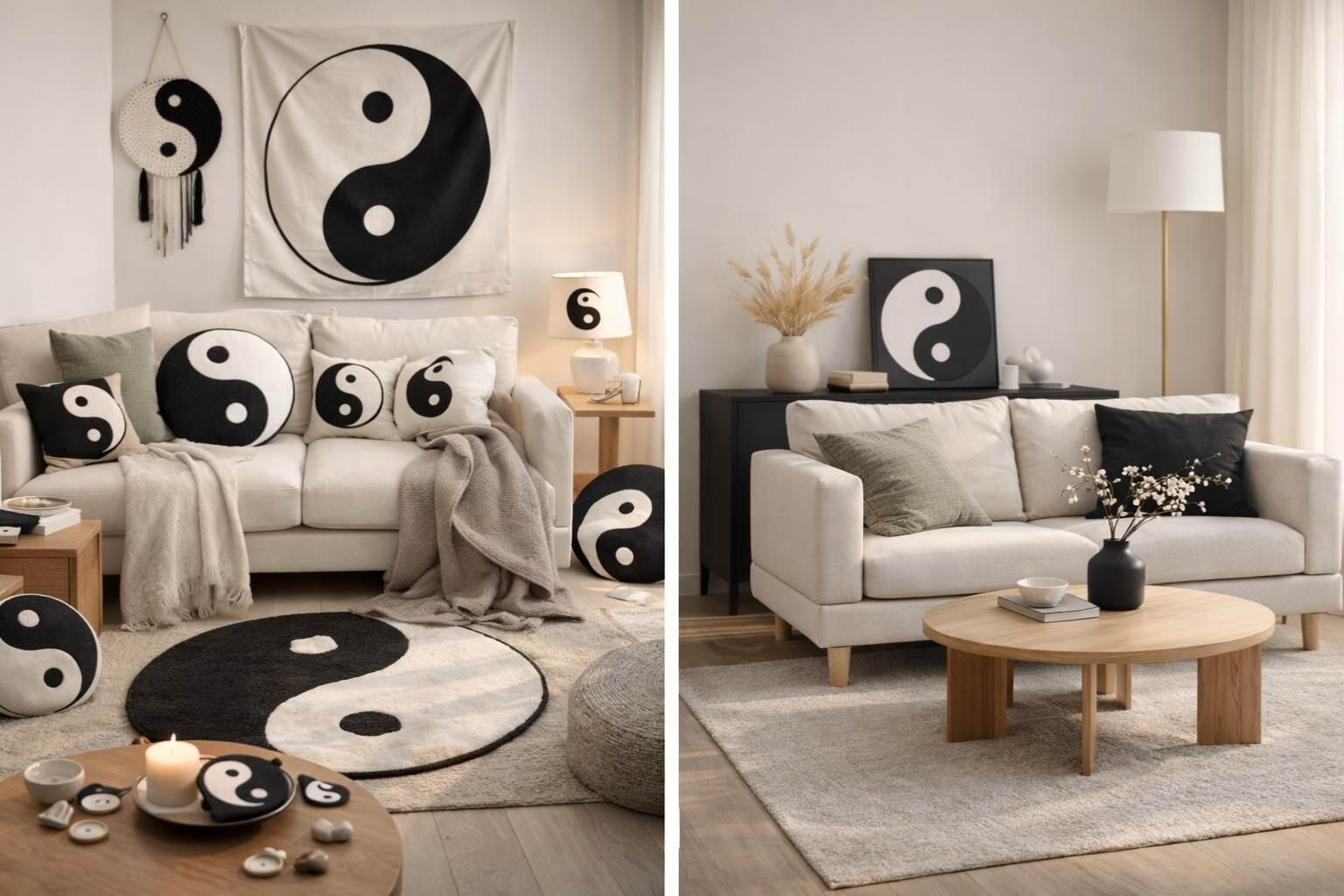
The symbol has a deeper meaning than a simple black-and-white pattern. When used only for aesthetics, it can lose the intentional quality that makes Feng Shui meaningful.
Overusing it in one space
One symbol can be a calm visual anchor. Too many can make a room feel repetitive or heavy-handed. In most cases, one well-placed piece is enough.
Ignoring the actual energy of the room
A Yin Yang symbol will not fix a space that feels chaotic, cluttered, or poorly arranged. It should support good Feng Shui choices, not replace them.
Choosing a placement that does not match the room’s purpose
Think about how you want the room to function. A bold, high-contrast symbol may feel energizing in a workspace, but too active in a bedroom if the design is already stimulating.
A Simple Checklist for Creating More Yin Yang Balance
If you want to apply this concept without overthinking it, use this simple checklist:
Look at each room and identify whether it feels too quiet or too stimulating
Add softness with rugs, curtains, pillows, or warm lighting if a room feels too harsh
Add energy with brighter light, clearer layout, or active decor if a room feels too flat
Use the Yin Yang symbol as a small visual reminder, not the entire focus of the room
Reduce clutter so balanced energy can actually be felt
Match the energy of the room to its purpose
This approach helps you use Feng Shui in a practical and modern way.
The Yin Yang symbol's meaning in Feng Shui goes far beyond decoration. It represents the ongoing balance between rest and activity, softness and strength, stillness and movement. When you apply that idea at home, your space can start to feel more supportive and more aligned with everyday life.
Start small by looking at one room and noticing where it feels out of balance. Then use the Yin Yang principle to guide simple changes that create more harmony over time.
More Feng Shui Tips