
The Five Elements in Feng Shui: A Simple Guide for Beginners


One of the most useful frameworks in feng shui is the five-element system. Once you understand it, many other feng shui concepts start to make sense. It explains why certain colors, materials, and shapes are recommended for specific rooms, and it gives you a practical way to bring more balance into your home without guessing.
The five elements in feng shui are wood, fire, earth, metal, and water. Each one represents a different type of energy, and each one interacts with the others in predictable ways. This guide will walk you through what each element means, how to recognize it in your home, and how to use the system in a simple and grounded way.
What the Five Elements Are and Why They Matter
In classical Chinese philosophy, everything in the world can be understood through five elemental energies: wood, fire, earth, metal, and water. These are not literal materials but qualities of energy that show up in color, shape, texture, season, and direction.
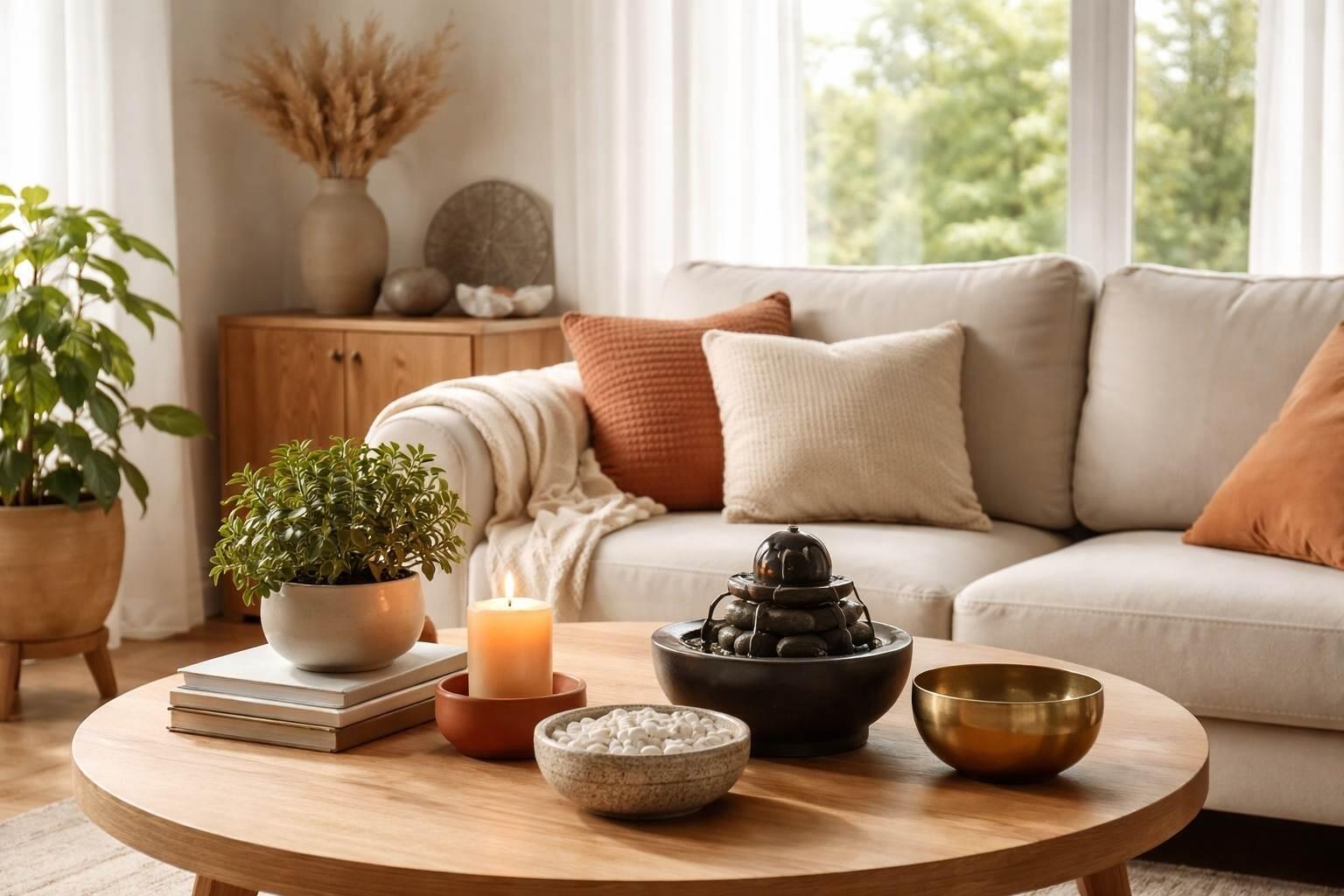
In feng shui, the goal is to have all five elements represented in your home in a balanced way. Too much of one element can make a space feel overwhelming or draining. Too little of an element that a particular room or life area needs can leave that space feeling flat or unsupported.
You do not need to redesign your home to apply the five elements. In most cases, small additions or adjustments are enough to shift the balance meaningfully.
The Wood Element
Wood energy is associated with growth, expansion, creativity, and new beginnings. It is the energy of spring, of things that are just starting to develop and push upward.
Colors: Green and teal
Shapes: Tall, vertical, columnar forms
Materials: Natural wood, bamboo, plants, wicker
Bagua areas: East (health and family) and southeast (wealth and abundance)
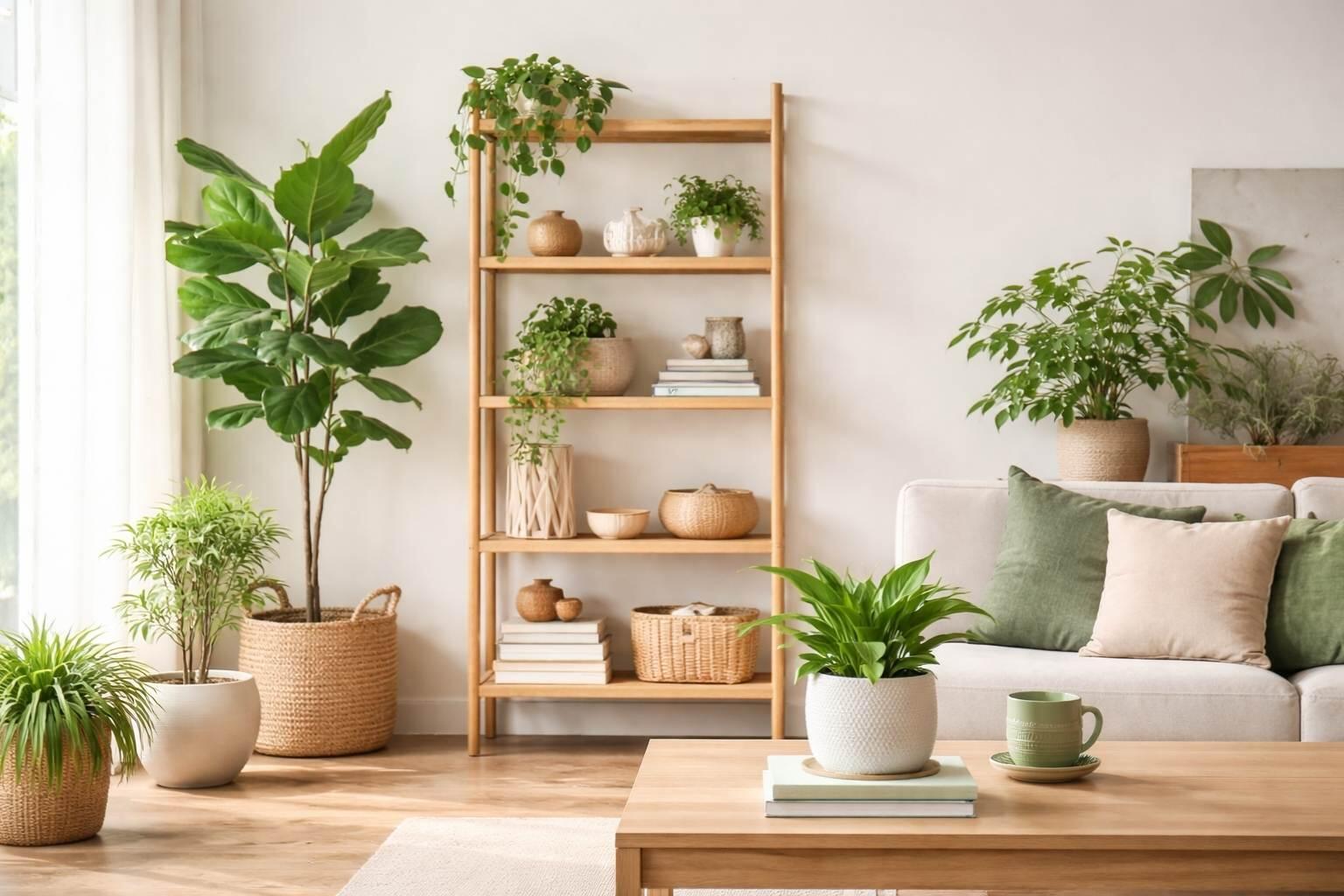
Adding wood energy to a room is as simple as placing a healthy plant, adding a wooden frame or shelf, or using green tones in your decor. Wood is one of the easiest elements to work with because it integrates naturally into most home styles.
A bamboo shelf like this or a small potted plant is one of the most accessible ways to introduce wood energy into any room without major changes.
Too much wood energy can make a space feel overly active or cluttered. Balance it with earth or metal elements to keep it grounded.
The Fire Element
Fire energy is dynamic, warm, and motivating. It is connected to passion, recognition, visibility, and the social parts of life. It is the energy of summer and peak activity.
Colors: Red, orange, strong pink, bright yellow
Shapes: Triangular, pointed, spiky forms
Materials: Candles, lights, electronics, sunlight
Bagua area: South (fame, reputation, and how you are seen)

Introducing fire energy can be as simple as adding a candle, turning on more lighting, or placing a piece of art with warm red or orange tones. Fire is stimulating, so it works well in social areas like the living room or dining room, but can be too activating for bedrooms.
Too much fire can make a space feel agitated or intense. If a room already has a lot of red, strong lighting, and many electronics, consider softening it with water or earth elements.
The Earth Element
Earth energy is stable, nurturing, and grounding. It supports relationships, self-care, and the feeling of being held and supported in your daily life.
Colors: Yellow, beige, sand, terracotta, warm brown
Shapes: Square, flat, low, horizontal forms
Materials: Ceramics, stone, clay, natural fabrics like cotton or linen
Bagua areas: Center (overall balance), northeast (knowledge), and southwest (relationships and love)
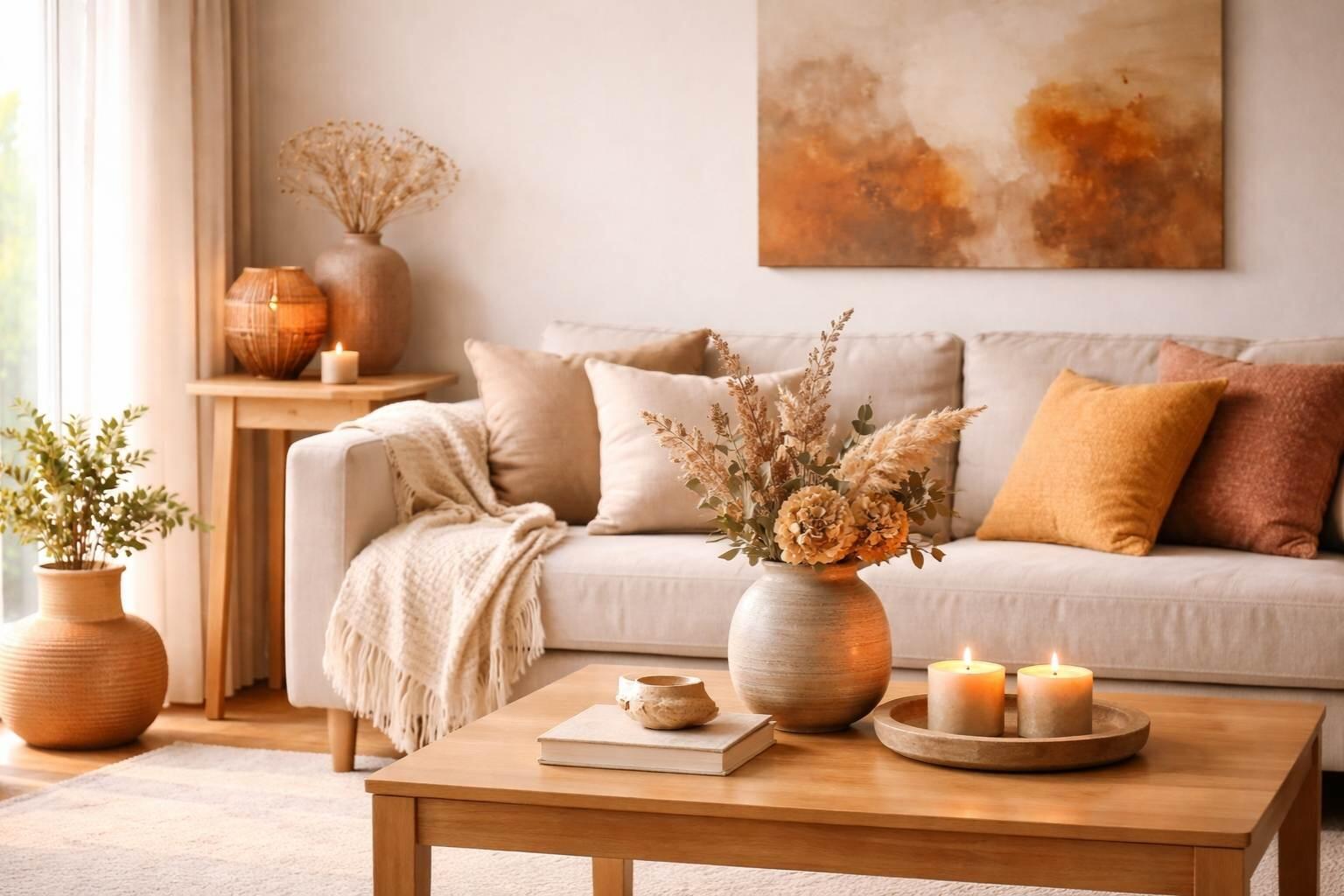
Earth energy is one of the most stabilizing forces in a home. Adding a ceramic vase, a stone bookend, or warm neutral tones brings a sense of calm and reliability. It is particularly useful in bedrooms, relationship areas, and any space where you want to feel more settled.
A ceramic vase or terracotta planter introduces earth energy in a way that feels naturally decorative rather than purposefully symbolic.
The Metal Element
Metal energy is precise, clear, and refined. It supports focus, organization, efficiency, and the ability to let go of what is no longer needed.
Colors: White, grey, silver, gold, and pale tones
Shapes: Round, oval, arched forms
Materials: Metal of all kinds, glass, mirror, smooth surfaces
Bagua areas: West (creativity and children) and northwest (helpful people and travel)
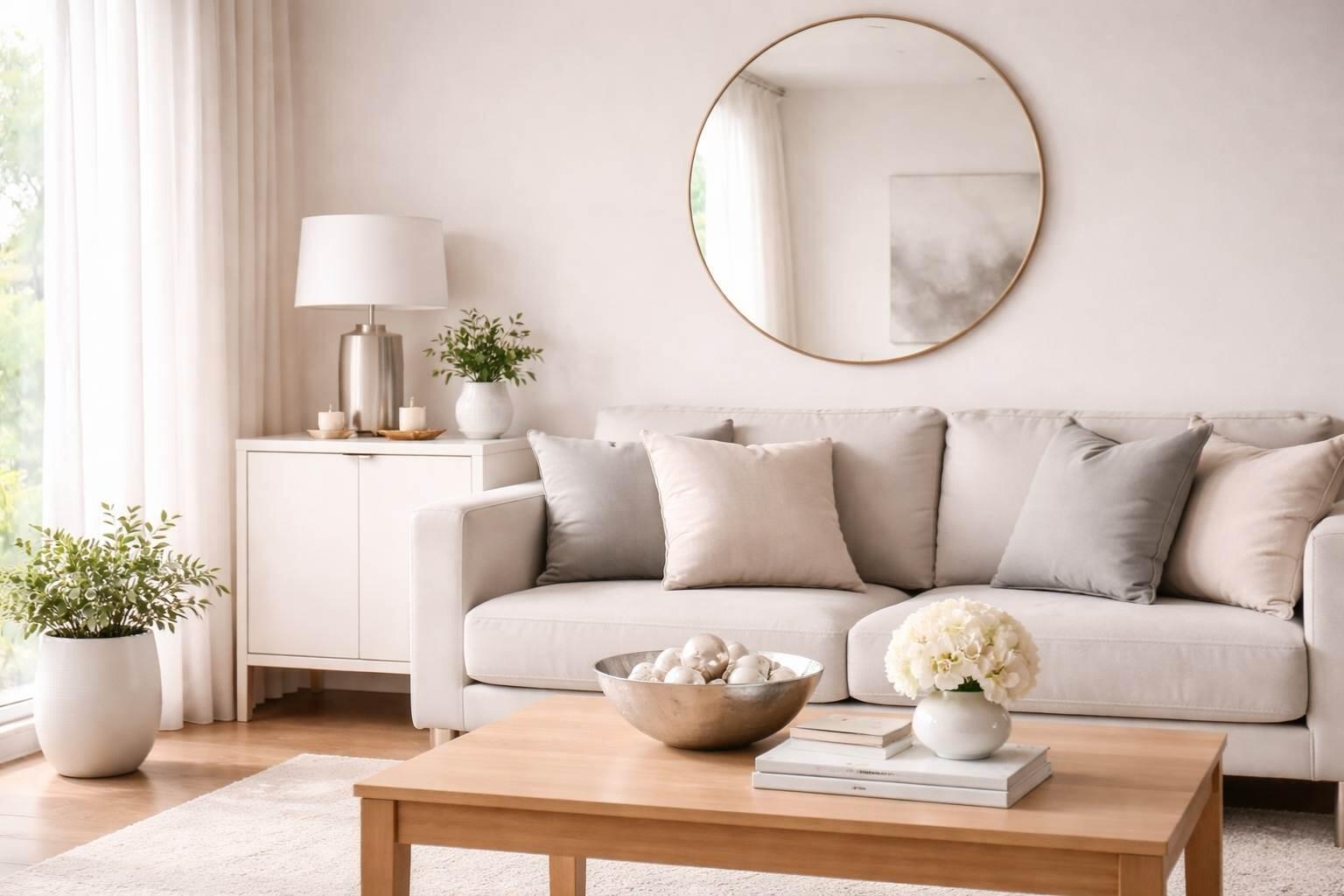
Metal energy brings clarity and elegance to a space. A simple metal-framed mirror, a silver bowl, or white walls can introduce metal without it feeling cold. In workspaces, metal is supportive because it enhances focus and mental clarity.
Too much metal can make a space feel sterile or emotionally cool. Balance it with wood or earth elements to soften it.
The Water Element
Water energy is flowing, deep, and connected to intuition, reflection, and career. It is the energy of winter and of the quiet potential that exists before things take shape.
Colors: Dark blue, black, deep charcoal, navy
Shapes: Wavy, irregular, flowing forms
Materials: Water features, mirrors, glass, reflective surfaces, dark glossy finishes
Bagua area: North (career and life path)
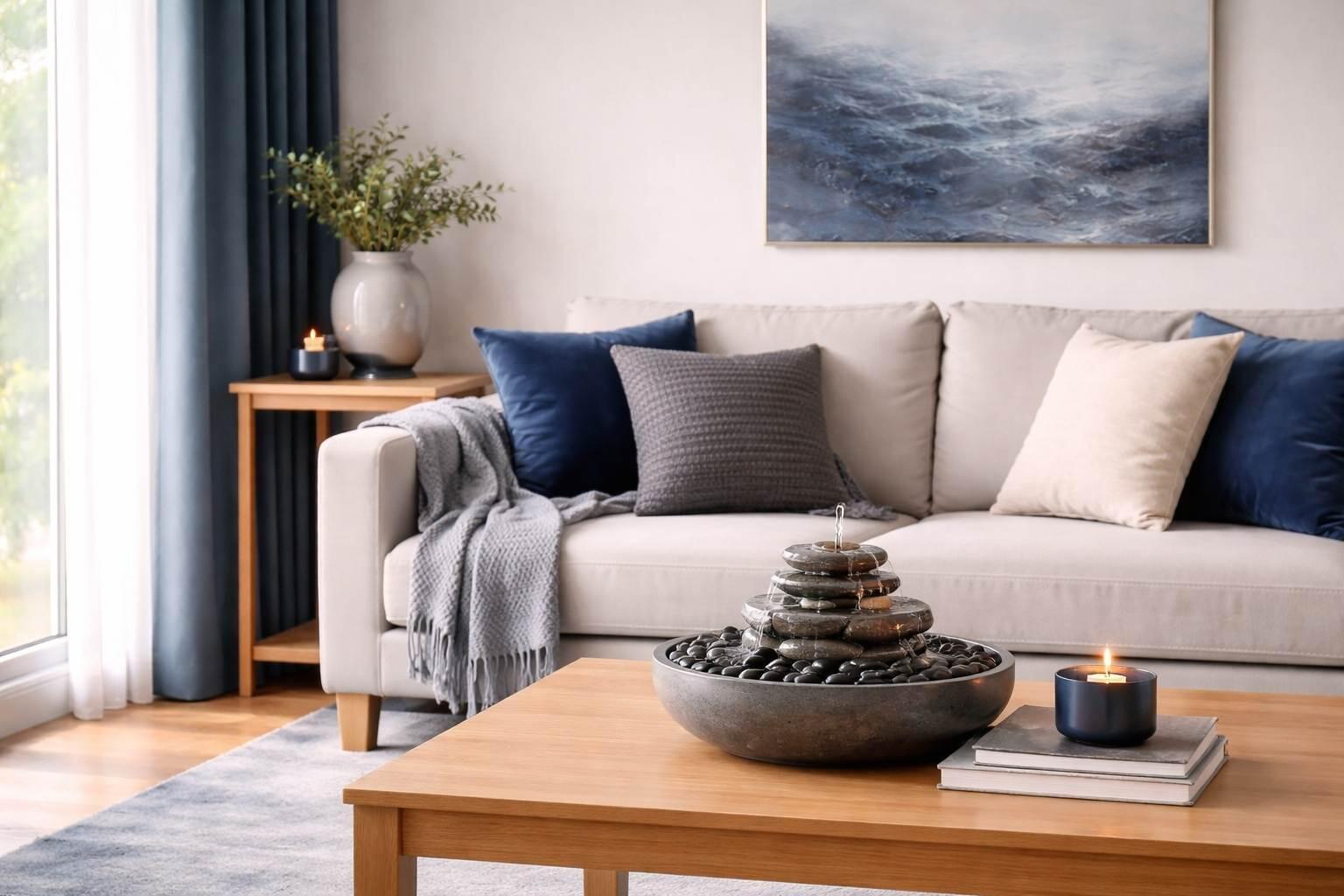
Adding water energy can be as subtle as placing a small decorative bowl of water, hanging a mirror, or adding navy blue cushions to a room. Water is reflective and expansive, so it works particularly well in north-facing areas or spaces where you want to invite more clarity and flow into your work or life direction.
For water energy, something as simple as a small tabletop fountain or a navy cushion can meaningfully shift the feeling of a room without major changes.
How the Elements Interact With Each Other
The five elements do not just coexist. They have specific relationships with each other that feng shui practitioners use to create or restore balance.
The two most useful cycles to know as a beginner are the nourishing cycle and the controlling cycle.
In the nourishing cycle, each element feeds the next: wood feeds fire, fire creates earth, earth holds metal, metal carries water, and water nourishes wood. This is the cycle of support and growth.
In the controlling cycle, each element keeps another in check: wood breaks up earth, earth absorbs water, water extinguishes fire, fire melts metal, and metal cuts wood. This cycle is used to reduce an element that is too dominant in a space.
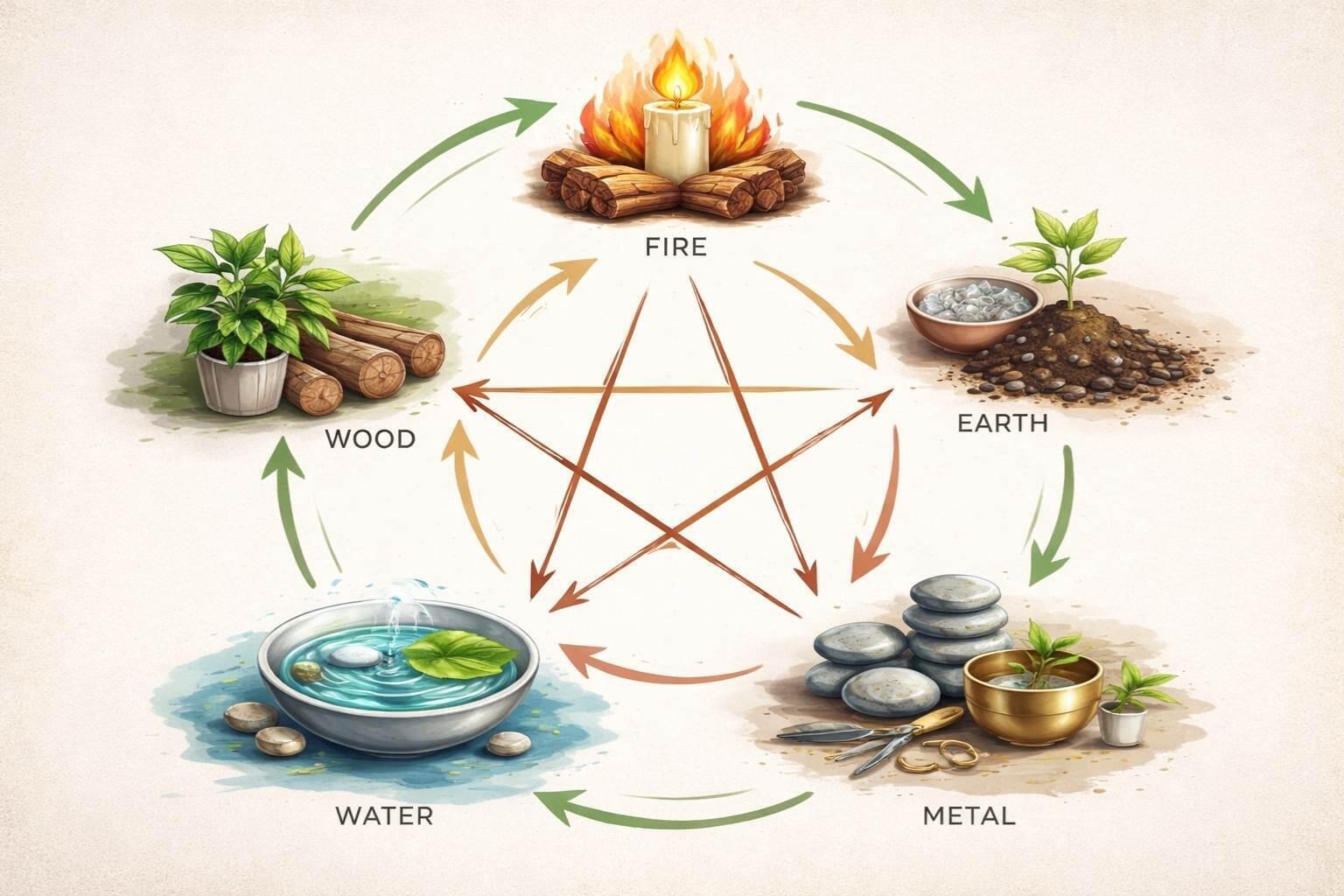
As a beginner, you do not need to memorize these cycles in detail. The main practical takeaway is that if a room feels imbalanced, you can often correct it by adding or reducing one element.
How to Use the Five Elements in Your Home
- Walk through your home and notice what is present. Look for colors, materials, shapes, and textures. Are most rooms dominated by one or two elements?
- Check key rooms against their bagua associations. Your bedroom benefits from earth and wood energy. Your kitchen and dining room often benefit from fire and earth. Your home office responds well to wood and metal.
- Add one missing element at a time. Start with the room that feels most out of balance and introduce one element through a small decor addition.
Common Mistakes and How to Avoid Them
- Trying to add all five elements at once. This usually creates visual noise rather than balance.
- Being too literal. You do not need an actual campfire to add fire energy. A red candle or a warm lamp is enough.
- Ignoring what is already there. Most homes already have a mix of elements. Start by identifying what you have before deciding what to add.
- Overdoing one element because you like it. A room full of only water energy can feel cold and isolating. Balance is the goal.
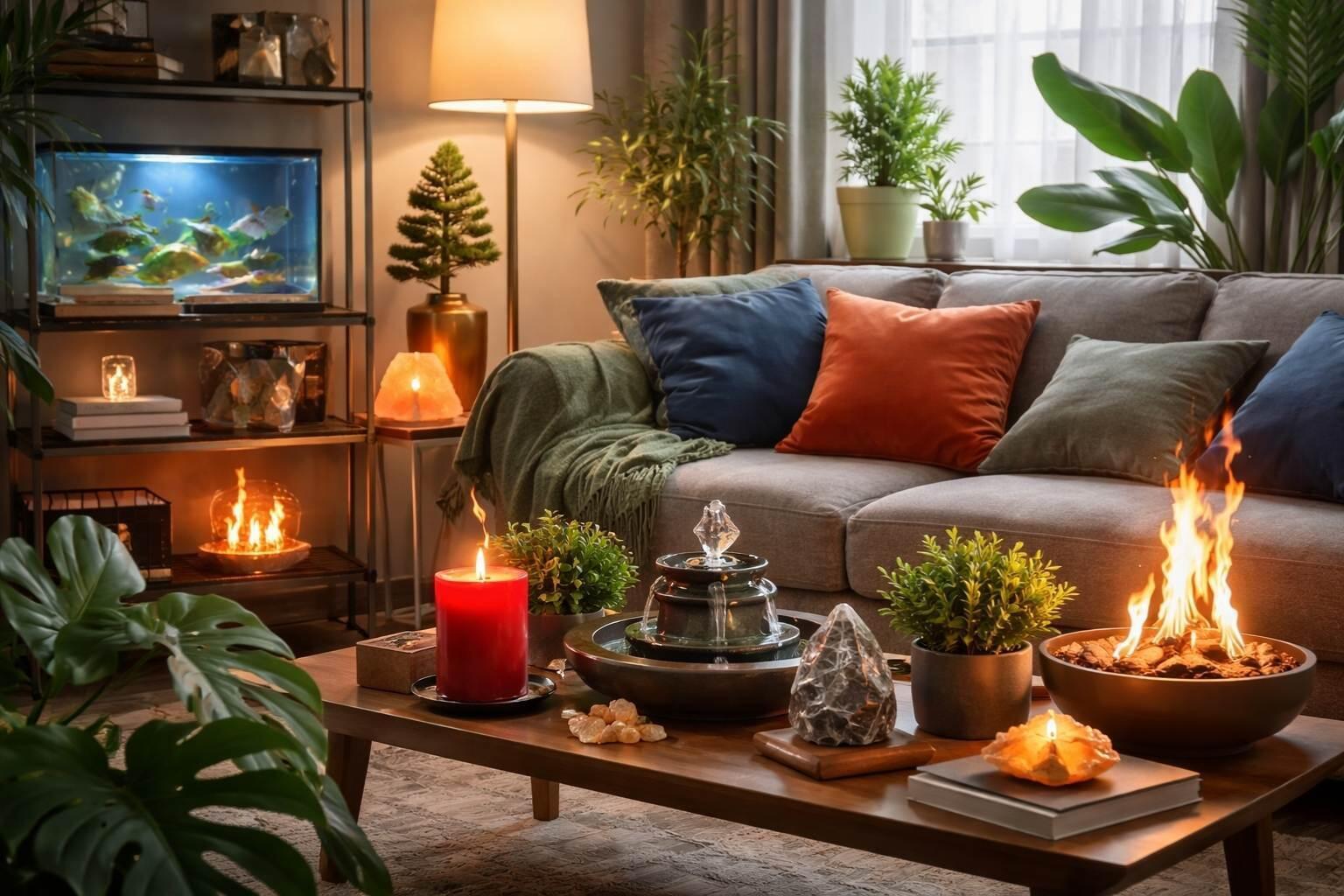
The five-element system is one of the most versatile and practical tools in feng shui. Once you start seeing your home through this lens, you will notice elemental imbalances easily, and correcting them becomes intuitive.
Start simple, observe the results, and let the five elements guide you toward a space that feels more alive and aligned.
More Feng Shui Tips