
Living Room Feng Shui Colors: What to Choose (and What to Avoid) by Vibe


Your living room is where energy (and people) gather—so color matters more here than almost anywhere else. In feng shui, color isn’t just “style”; it’s a way to shape mood, support conversation, and create a space that feels safe and inviting.
The good news: you don’t need to repaint everything to get it right. This guide helps you choose living room feng shui colors by the feeling you want, plus what to avoid and how to apply color in a simple, modern way.
How Feng Shui Color Works in a Living Room
In feng shui, colors represent different kinds of energy. Some colors feel expansive and bright, while others feel grounding and quiet. Your goal isn’t to pick a “lucky” color—it’s to create balance.
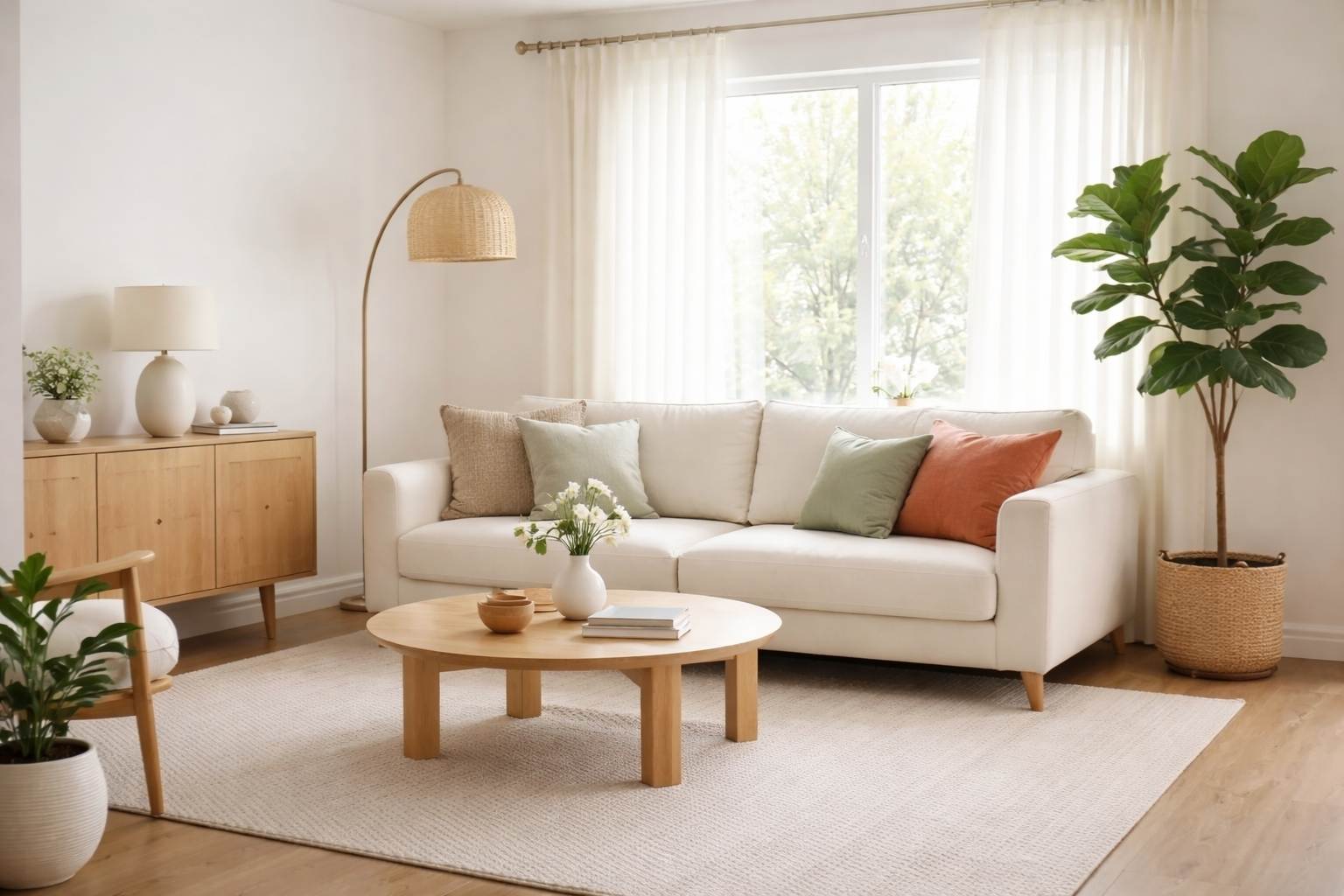
A balanced living room usually includes:
A grounding base (so the room feels stable)
A warm, welcoming layer (so people want to linger)
A fresh or bright accent (so the energy doesn’t feel heavy)
If your space feels “off,” color is often the fastest fix because it changes what you notice, where your eyes rest, and how you move through the room.
Best Living Room Feng Shui Colors by Element
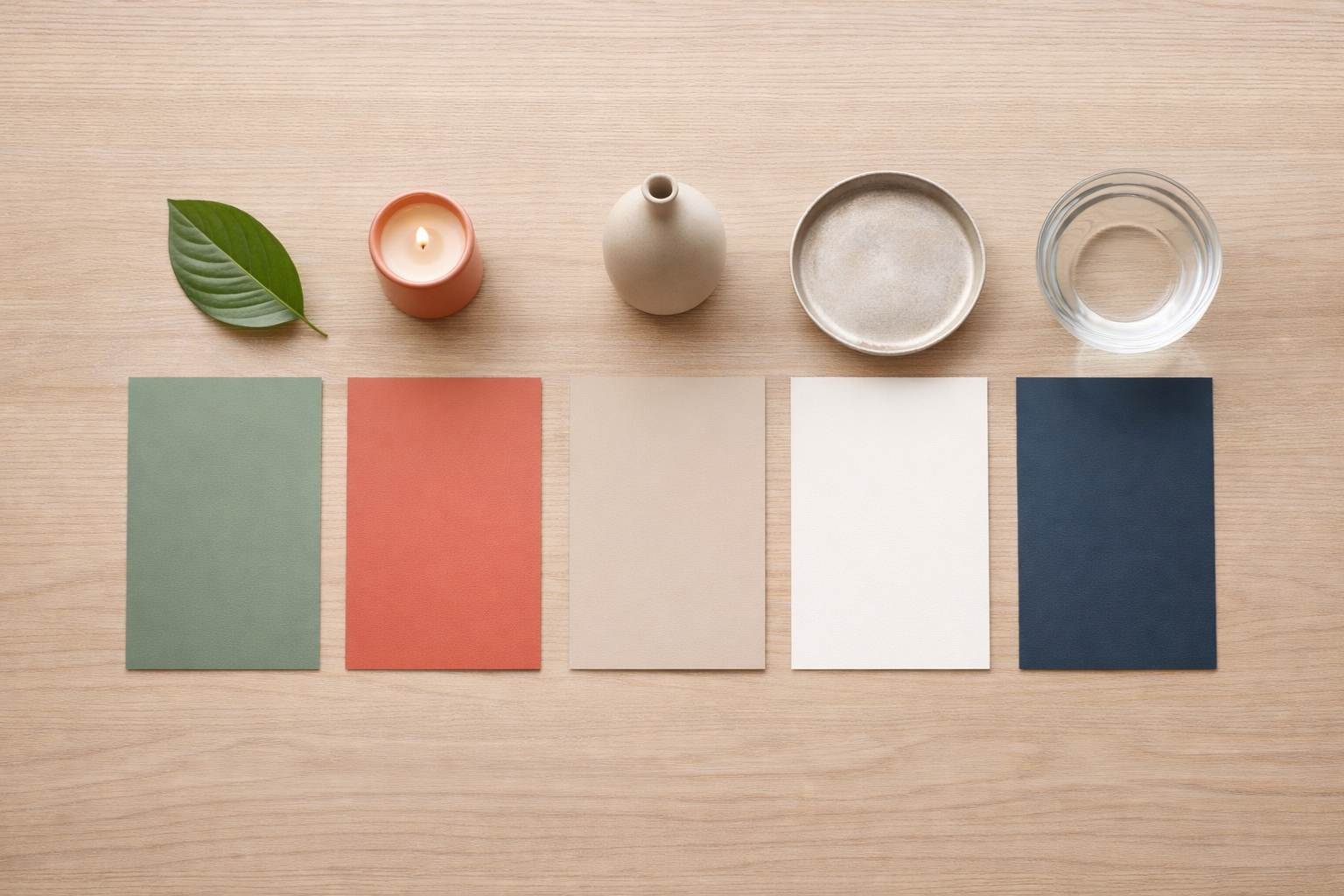
If you want a simple feng shui approach, think in five “energy families” (often called elements). You can mix them—just avoid letting one overpower everything else.
Wood (growth + ease): greens, teal, soft blue-greens
Great when the room feels tense, stagnant, or “too serious.”
Works well for family spaces and social living rooms.
Fire (joy + visibility): red, coral, pink, purple (best as accents)
Adds warmth and life—especially in rooms that feel cold or quiet.
Keep it controlled: small bursts beat big blocks.
Earth (stability + comfort): beige, taupe, sand, warm neutrals, soft ochre
Ideal for creating a cozy, grounded, “everyone relaxes here” vibe.
A strong choice if you want timeless and calm.
Metal (clarity + freshness): white, off-white, gray, metallics
Helpful when a room feels visually messy or overdecorated.
Pair with warmth (wood tones, warm lighting) so it doesn’t feel sterile.
Water (flow + calm): navy, charcoal, deep blue, black (best as accents)
Beautiful for sophistication and depth.
Use thoughtfully so the room doesn’t feel heavy or sleepy.
Feng shui-friendly shortcut: Start with Earth or Metal as your base, then add Wood for comfort and a touch of Fire for warmth.
Choose Colors by the “Vibe” You Want
Instead of chasing trends, choose a palette that supports how you actually live.
For a Calm, Restful Living Room
Base: warm neutrals (sand, cream, soft taupe)
Supporting: muted greens or soft blue-greens
Accent: a little black or deep navy for definition
This combo feels clean, stable, and soothing—great if your living room doubles as a decompression zone.
Base: warm beige, oatmeal, caramel, soft terracotta
Supporting: olive, sage, warm wood tones
Accent: coral, blush, or warm brass
This vibe is inviting and conversation-friendly—ideal for hosting or family time.
For a Bright, Uplifting, Modern Energy
Base: off-white or warm white
Supporting: light gray + natural textures
Accent: sunny yellow, fresh green, or a bold art color
This is perfect if your living room feels dull or you want it to feel more open.

For a More Grounded, Sophisticated Mood
Base: soft taupe, greige, warm gray
Supporting: deep blue or charcoal (controlled)
Accent: metallics + a warm color pop (like rust or coral)
It reads elevated without feeling “cold,” as long as you keep lighting warm.
Colors to Avoid (or Use Carefully) in Feng Shui
No color is “bad,” but some choices can create an energy mismatch—especially in a living room.
1) Too much bright red
Red can be energizing, but large areas can feel overstimulating (especially at night). If you love red, keep it to art, pillows, or a single statement piece.
2) All-cool gray everything
A gray-only living room can feel emotionally flat or chilly. Add warm light bulbs, wood tones, and warm textiles to bring the room back to life.
3) Heavy black is used as the main color
Black is powerful and grounding, but too much can feel “closed.” Use black for frames, legs, hardware, or small accents—then balance with soft neutrals.
4) Neon or overly saturated colors everywhere
High-intensity colors can create visual noise and restlessness. If you want bold, do it as one focal point, not a whole-room takeover.
5) Too many competing colors
Even “good” colors can clash if the room lacks a clear base. Feng shui loves flow—choose a calm foundation, then keep accents consistent.

The Easiest Way to Apply Feng Shui Color: A Simple Layering Plan
You don’t need a full redesign. Use this practical checklist to “feng shui” your color in minutes.
Step-by-step color checklist
Pick your base (60%)
Walls, large rug, big sofa, color. Choose a calm, neutral, or soft tone you won’t tire of.Add a supporting color (30%)
Curtains, chairs, throw blankets, or a secondary rug tone. This adds comfort and balance.Choose one accent color (10%)
Pillows, art, a vase, a small lamp, or a single bold decor item. Keep it intentional.Repeat accents 2–3 times
This creates harmony. Example: a hint of terracotta in art + a pillow + a small object.Anchor the room with grounding tones
Add natural wood, warm beige, or a touch of charcoal/black to give the space structure.Check your lighting temperature
Even perfect colors look “wrong” under cold lighting. Warm lighting makes a living room feel inviting.
Quick rule: If the room feels chaotic, reduce the use of accent colors. If it feels dull, add one warm accent.
Quick Fix Color Ideas for Common Living Room Problems
If your living room feels cold or uninviting:
Add warm neutrals, caramel tones, soft terracotta, warm metals, and cozy textures.
If it feels cluttered or visually loud:
Use more off-white/soft neutral space and limit accents to one color family.
If it feels dark or heavy:
Bring in warm whites, light beige, and reflective surfaces (without turning the room stark).
If you rent and can’t paint:
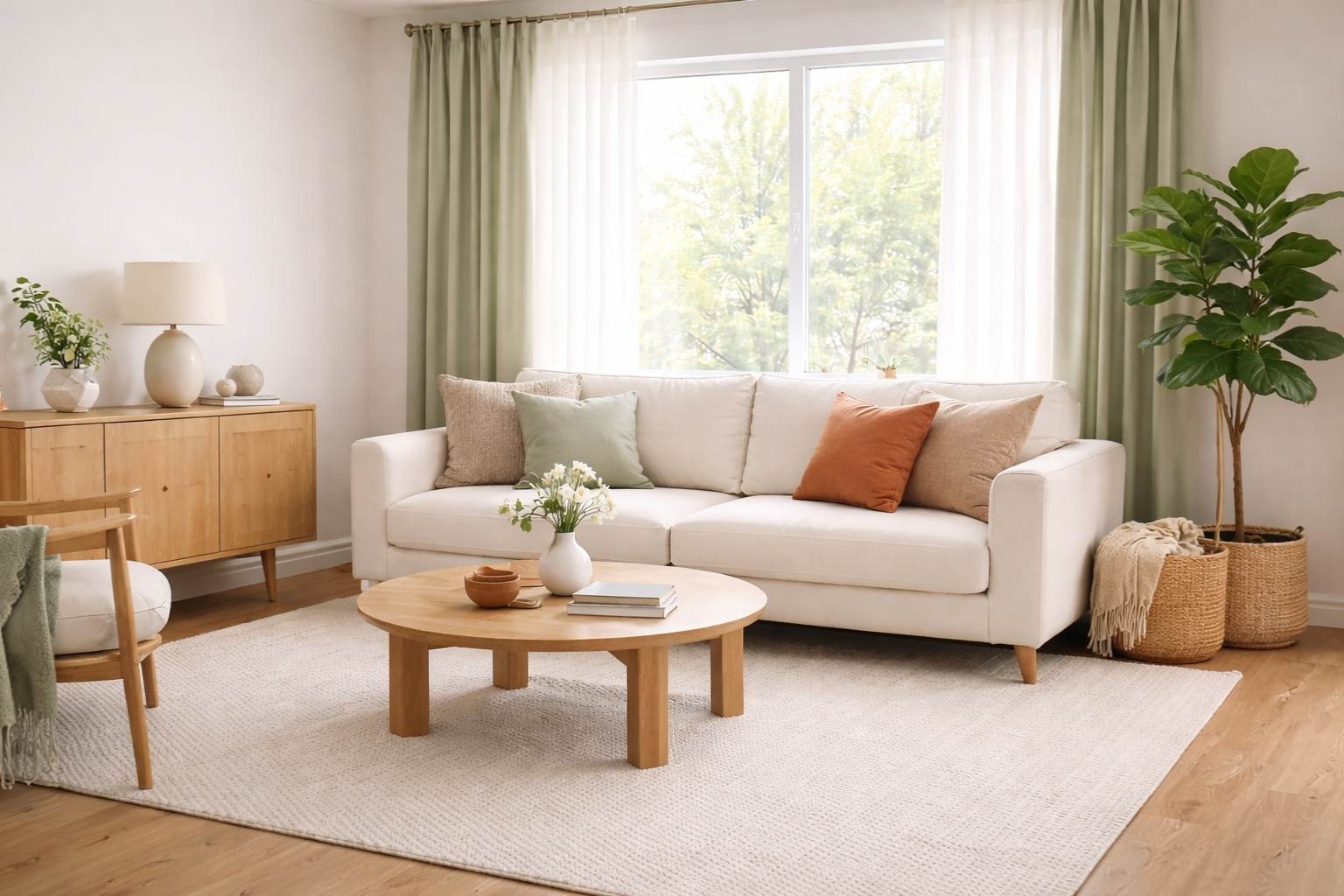
Use your palette through a rug, curtains, pillows, and wall art—color still “counts.”
If your space is open concept:
Choose one consistent base color across zones, then use different accents in each area to define “rooms” without blocking flow.
The best living room feng shui colors are the ones that make your space feel balanced, welcoming, and easy to live in. Start with a grounded base, add a supportive tone, and finish with a small, intentional accent. Your next step: pick one “vibe” from above and update just three items—you’ll feel the shift fast.
More Feng Shui Tips