
Feng Shui Wind Chimes: How to Choose Them and Where to Hang Them


Wind chimes are one of the most recognizable feng shui tools, but they are also one of the most misunderstood. Many people hang them without knowing why, or avoid them because they seem too traditional or noisy for a modern home.
In reality, wind chimes can be a subtle and effective addition to your space when you understand how they work and where they belong.
This guide covers everything you need to know about feng shui wind chimes, from what they actually do to how to choose the right type and where to hang them for the best results.
What Wind Chimes Do in Feng Shui
In feng shui, wind chimes serve several purposes depending on where they are placed and what they are made of. Their primary role is to activate and move energy.
When the wind moves through them, or even when you brush past them, the sound they produce stirs up stagnant chi and encourages better energy flow in the surrounding area.
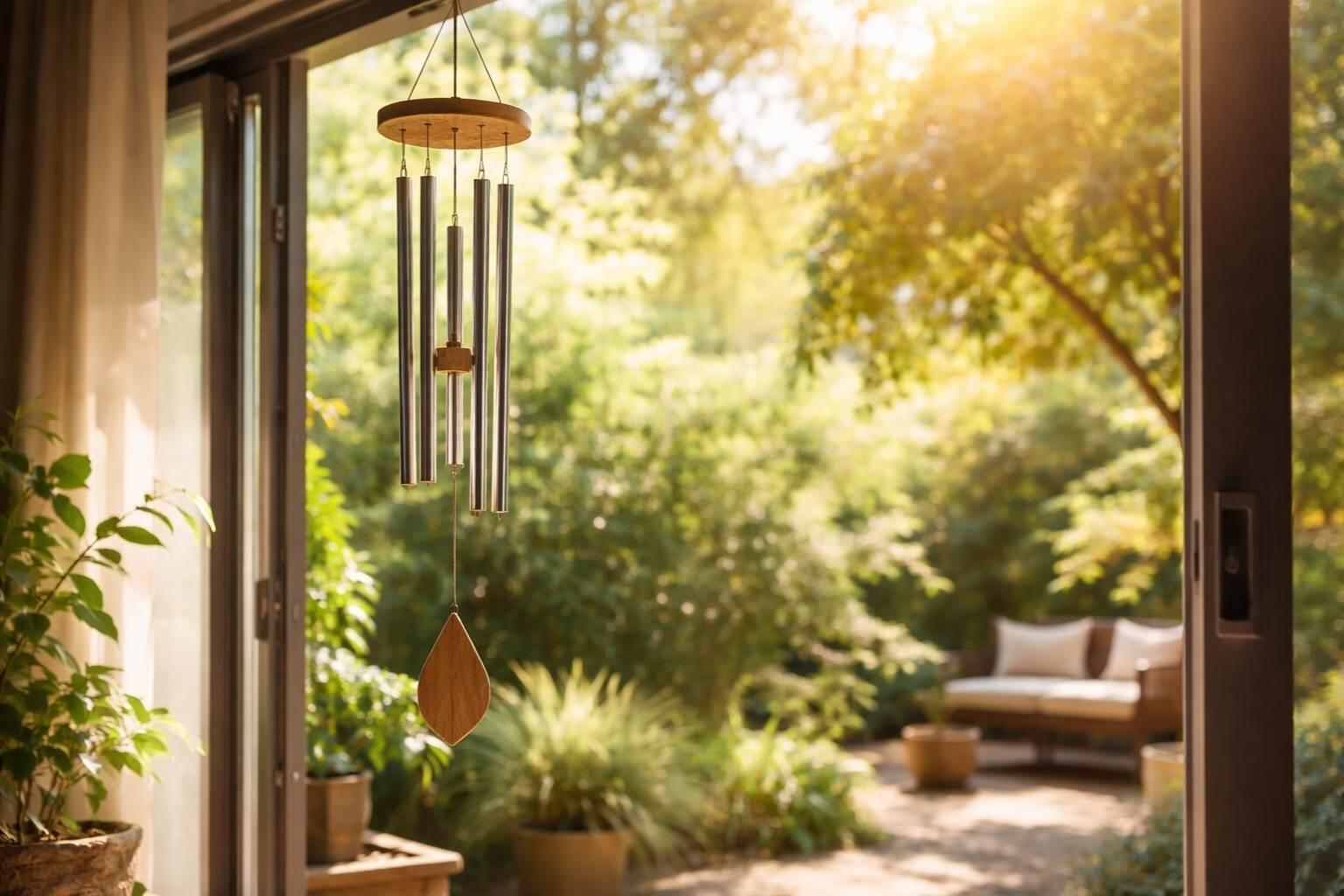
They are also used as protective tools near entrances, as remedies to slow down energy that is moving too fast through a space, and as activators in areas where you want to invite more opportunity or positive movement.
Beyond their energetic function, wind chimes carry symbolic meaning. Their gentle, rhythmic sound is associated with harmony, communication, and the idea of messages traveling through the air, which makes them particularly connected to opportunities and helpful connections coming into your life.
How to Choose the Right Wind Chime
Number of rods
The number of rods or tubes in a wind chime is one of the most commonly referenced aspects of feng shui wind chime selection. Different numbers carry different elemental associations:
- 6 rods: Associated with metal energy and the northwest sector (helpful people, travel)
- 7 rods: Also metal energy, associated with the west (creativity, children)
- 8 rods: Associated with earth energy, good for grounding and stability
- 5 rods: Used specifically as a protective remedy against negative or conflicting energies
For most general purposes, a 6 or 8-rod metal wind chime is a reliable starting point.
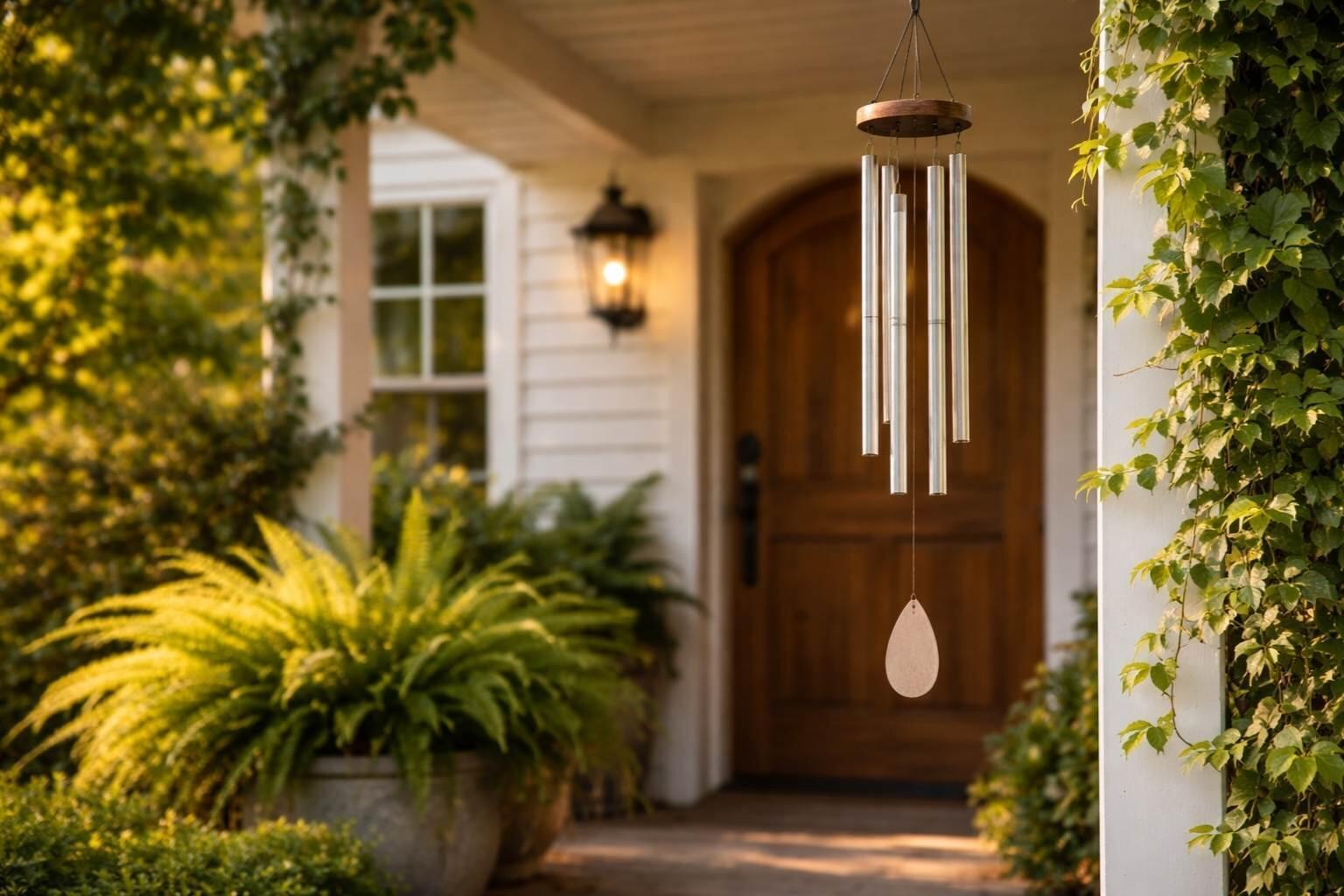
A six-rod metal wind chime near your front entrance is one of the most classic feng shui placements — it activates incoming energy each time the door opens.
Material
The material of the wind chime determines its elemental association, which should match or support the energy of the area where you plan to hang it.
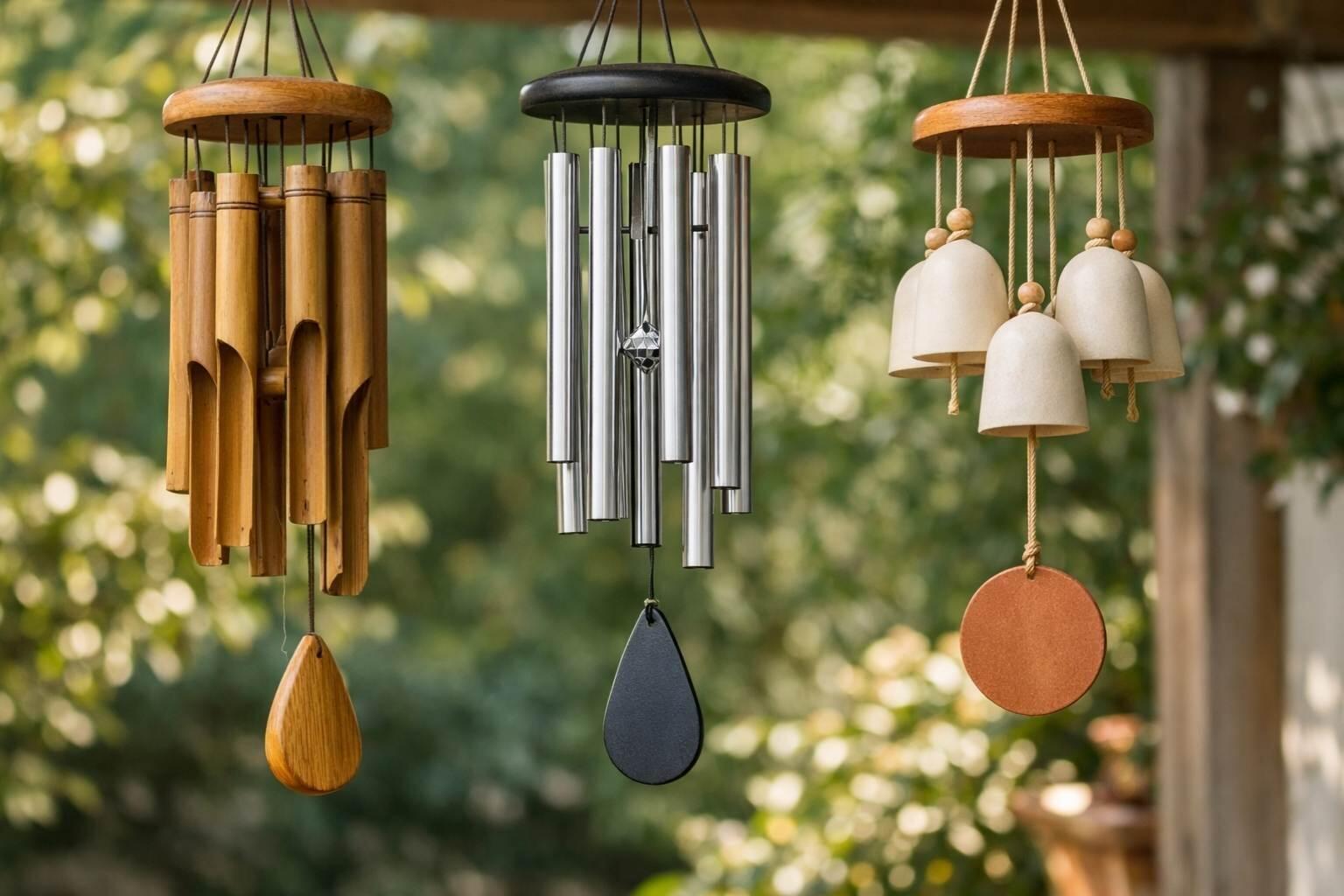
- Metal (brass, copper, aluminum): The most classic feng shui choice. Metal wind chimes are activating and are particularly well-suited to the northwest, west, and north sectors of the home.
- Bamboo or wood: Softer in sound and energy. Wood wind chimes support the east and southeast sectors and work well in garden spaces that need gentle, organic energy.
- Ceramic or clay: Earth element. These chimes have a deeper, more grounded tone and work well in the center, southwest, or northeast areas.
- Crystal or glass: Light and reflective, these carry water or metal energy depending on the finish and work well indoors, where the sound needs to be subtle.
Sound quality
The sound of a wind chime matters both practically and energetically. A harsh, clanging sound does not create the sense of harmony that feng shui wind chimes are meant to bring. Listen before you buy when possible, or read reviews that specifically mention the tone. You want a clear, resonant sound that feels pleasant rather than intrusive.
For outdoor or garden areas, a bamboo wind chime like this produces a softer, more organic sound that blends naturally with the surroundings.
Where to Hang Feng Shui Wind Chimes
Near the front entrance
Hanging a wind chime near the front door is one of the most traditional placements. It serves to welcome and activate the energy entering your home and can also act as a gentle protective filter. If your front door opens directly into a long hallway or straight to a back door, a wind chime near the entrance helps slow and circulate the energy before it rushes through.
Use a metal wind chime here for activating energy, or a 5-rod metal chime if you want to add a layer of protection to the entrance.
In the northwest sector of the home or garden
The northwest area governs helpful people, mentors, and travel. A metal wind chime placed here is thought to activate the energy of support and assistance flowing toward you. If this area of your home is a quiet corner or rarely used space, a wind chime can bring movement and attention to it.
To slow down rushing chi
If your home has a long straight hallway, a staircase facing the front door, or any configuration where energy seems to move too fast in a straight line, hanging a wind chime in that path helps break the flow and distribute energy more evenly. This is one of the most practical uses of a wind chime in modern homes.
In the garden or on a patio
Outdoor wind chimes work well in areas of the garden that feel stagnant, heavily shaded, or that you want to activate with more life and movement. Choose a weather-resistant material that suits the elemental direction of that area of your garden.
Where Not to Hang Wind Chimes
- Directly above where you sleep. Sound activates energy, and having a wind chime directly above your bed or sleeping area can be disruptive to rest, even if you do not consciously notice the sound.
- In a bathroom. Bathrooms already carry draining energy in feng shui, and adding a wind chime here tends to amplify that rather than correct it.
- Where they will constantly knock against walls or furniture. A chime that produces harsh, irregular clanging rather than a clear tone is not creating harmonious energy.
- In every room of the house. Wind chimes work best when placed with intention in specific locations. Too many chimes throughout the home can create an overactive, scattered energy that is difficult to settle.
Indoor Wind Chimes
Not everyone wants an outdoor wind chime, and for apartments or urban homes, indoor options are both practical and effective. Indoor wind chimes tend to be smaller and made from materials that produce a gentler sound, such as ceramic, crystal, or thin bamboo.
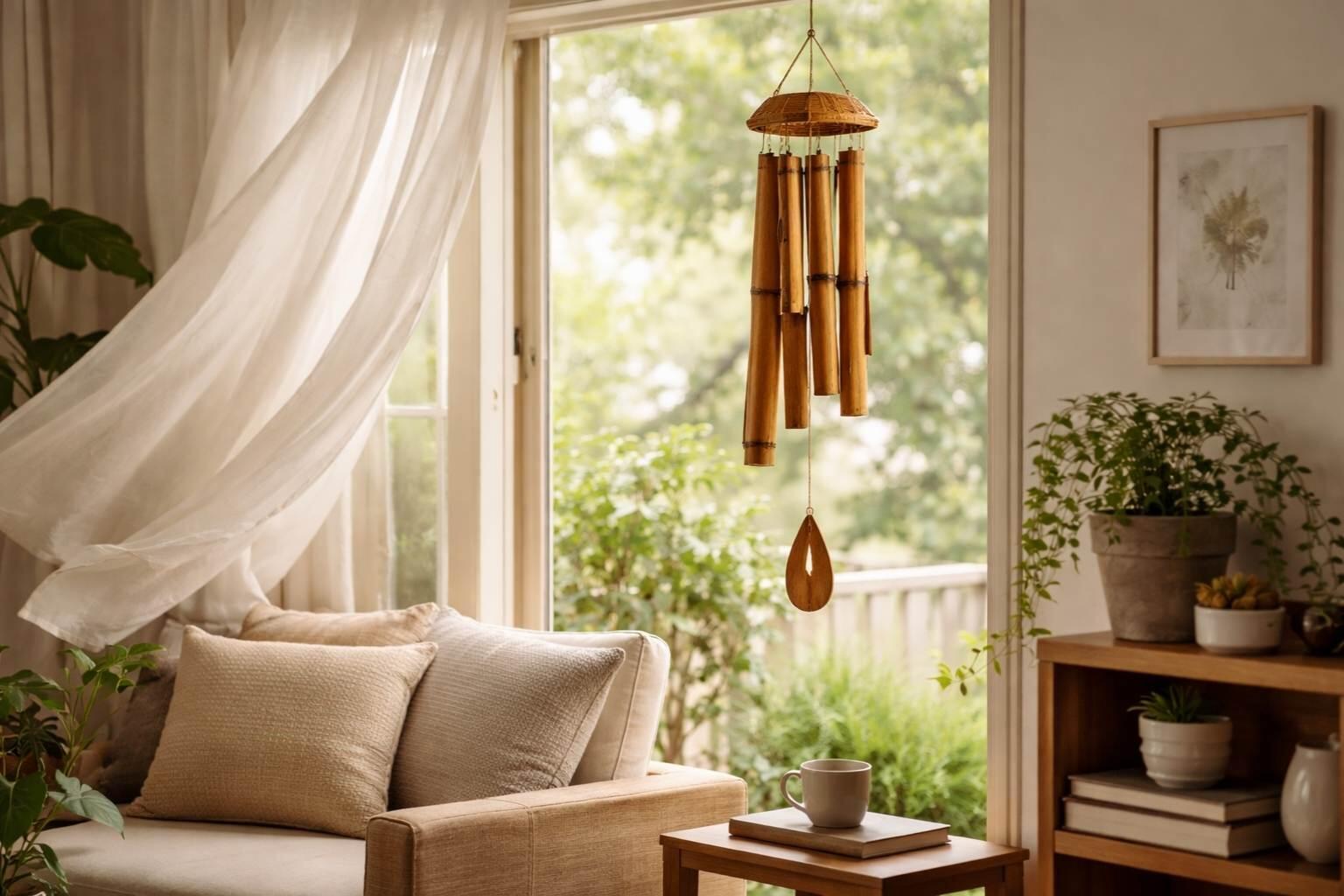
For indoor use, hang them in a spot where natural air movement will occasionally activate them, near a gently opened window, a ceiling fan set to low, or in a hallway where movement creates air currents. You can also activate them intentionally by gently moving them as you pass.
If you are hanging one indoors, a compact ceramic chime produces a gentler tone that works well in smaller spaces without being intrusive.
A Simple Starting Point
If you are new to using wind chimes in feng shui, the easiest starting point is a six-rod metal wind chime hung near your front entrance, at a height where it moves freely and produces a clear tone when the door opens, or a breeze passes.
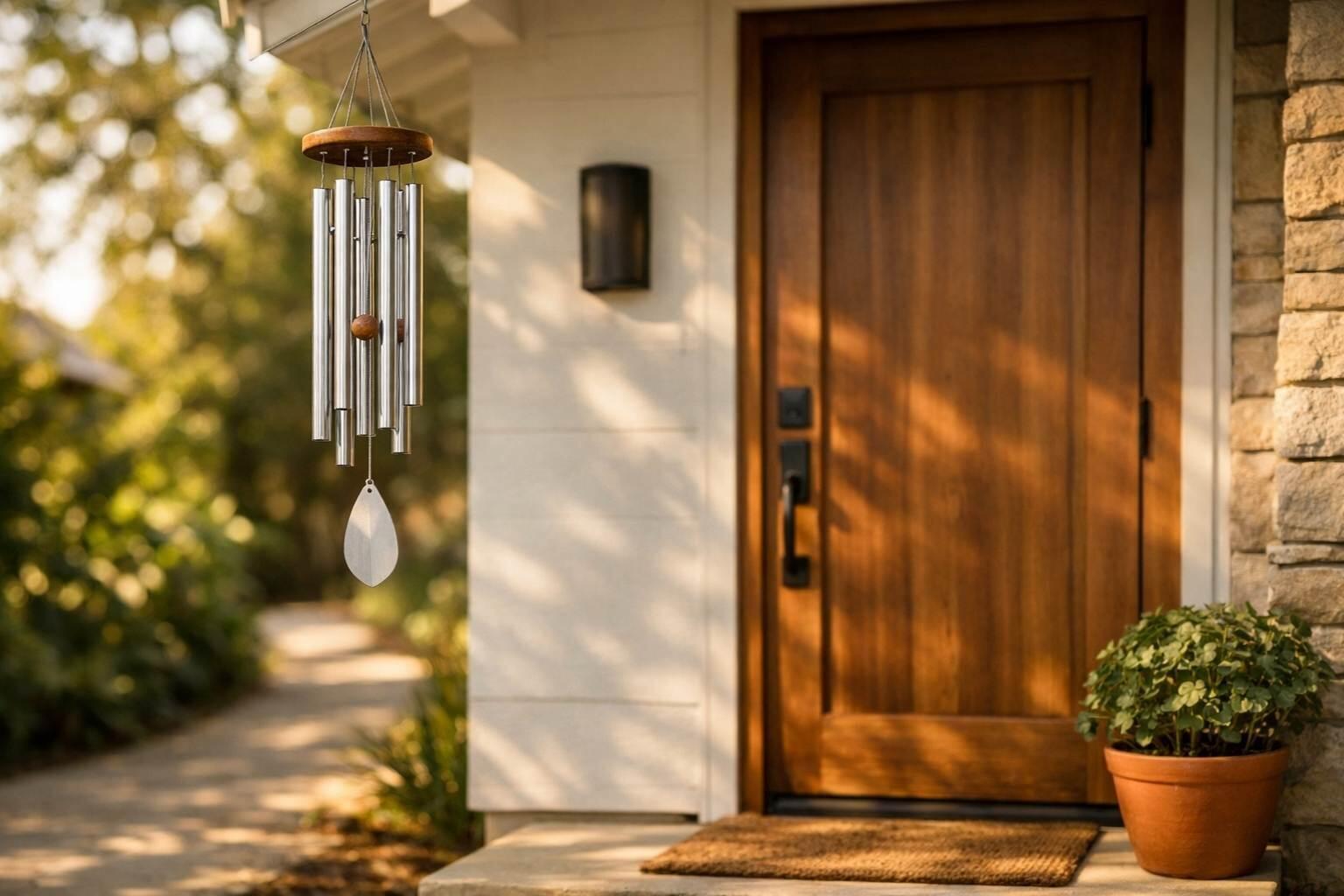
Choose a sound you genuinely enjoy. A wind chime you find pleasant to hear will feel supportive rather than like another thing to manage.
Start with one chime, notice how the energy around it feels after a few weeks, and let that guide whether you want to add more or adjust its position.
More Feng Shui Tips