
7 Best Feng Shui Books to Help You Create a More Harmonious Home

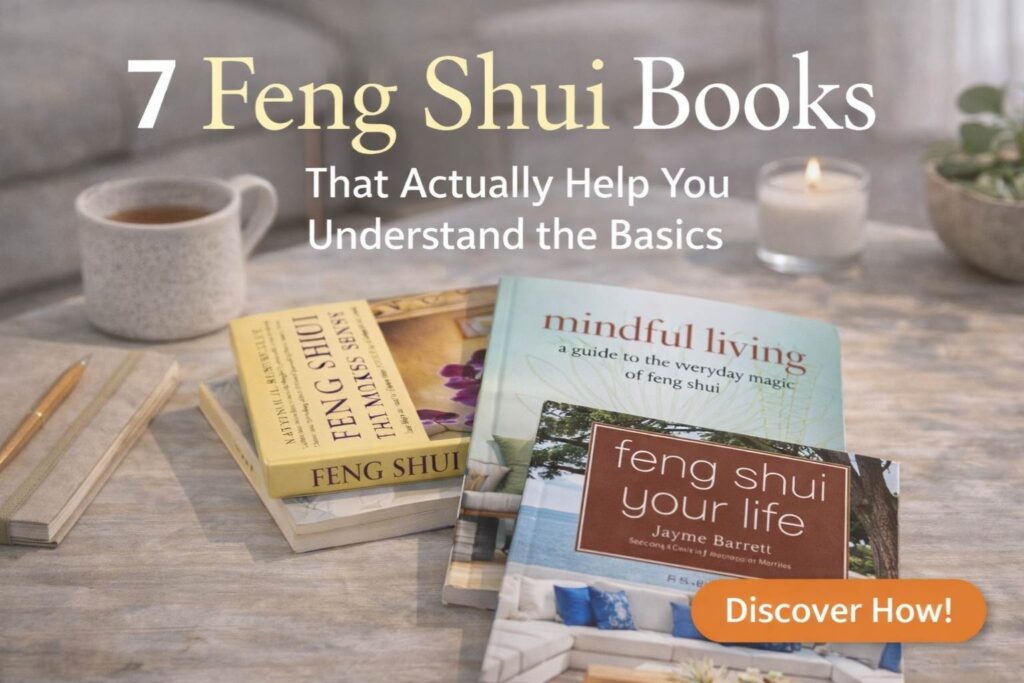
Feng shui can feel both exciting and confusing when you are just getting started. There are beautiful books, traditional guides, modern interpretations, and practical home design approaches, but not all of them make the basics easy to understand.
The good news is that the right beginner-friendly book can help you connect feng shui principles to everyday life without making your home feel complicated or overly rule-driven.
In this guide, you will find seven feng shui books that stand out for their clarity, usefulness, and approachable take on creating a more harmonious space.
- Why Reading the Right Feng Shui Book Matters
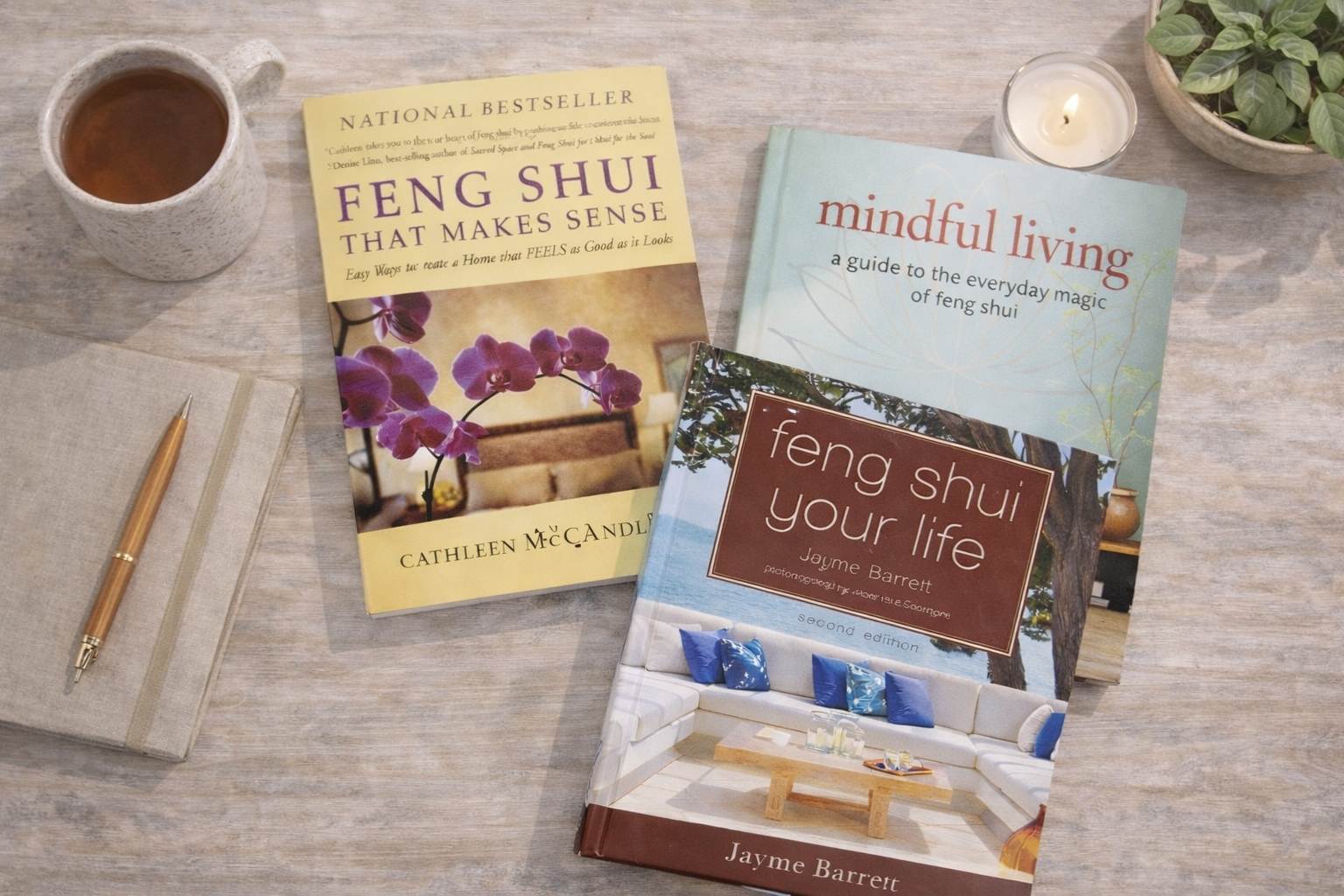
- 1. Feng Shui that Makes Sense by Cathleen McCandless
- 2. Move Your Stuff, Change Your Life by Karen Rauch Carter
- 3. Mindful Living: A Guide to the Everyday Magic of Feng Shui by Anjie Cho and Laura Morris
- 4. Focused Feng Shui by Dawn Johanson
- 5. The Feng Shui Bible by Simon Brown
- 6. Feng Shui Your Life by Jayme Barrett
- 7. Feng Shui for the Soul by Denise Linn
- How to Choose the Right Feng Shui Book for You
- A Simple Way to Use These Books Without Feeling Overwhelmed
Why Reading the Right Feng Shui Book Matters
A good feng shui book does more than explain where to place furniture or which colors to use. It helps you understand how your environment supports focus, comfort, rest, and overall balance. That foundation matters, especially if you want to use feng shui as a thoughtful design tool rather than a collection of random decorating tips.
The best beginner-friendly feng shui books usually do three things well. First, they explain core ideas clearly. Second, they make those concepts feel relevant to real homes and real routines. Third, they help you make practical changes without overwhelming you with too many systems at once.
That is exactly why this list focuses on books that are approachable, useful, and easier to apply in everyday spaces.
1. Feng Shui that Makes Sense by Cathleen McCandless
If you want a book that feels grounded and practical from the start, Feng Shui that Makes Sense is one of the strongest places to begin. Even the title signals what many readers are looking for: a version of feng shui that feels understandable, livable, and connected to the way homes actually work.
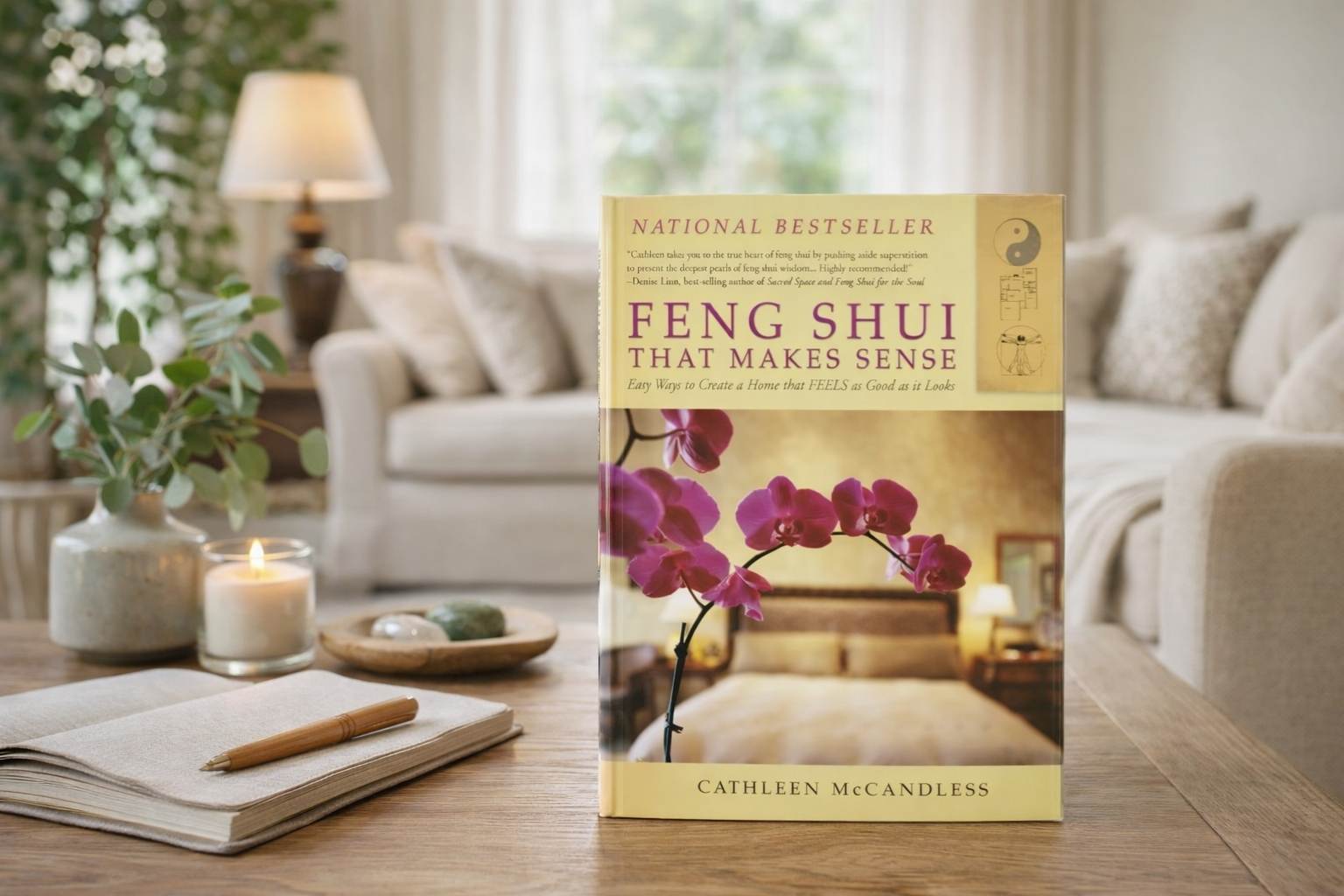
This book is especially helpful for readers who want feng shui to feel less mysterious and more realistic. It pairs the idea of beautiful design with the deeper goal of creating a home that feels good on an everyday level. That makes it a strong fit for beginners who care about both aesthetics and emotional atmosphere.
Why it stands out:
approachable for first-time readers
focused on real-life home experience
helpful for readers who want practical clarity
bridges beauty and function in a natural way
If you want a practical, beginner-friendly introduction, check out Feng Shui that Makes Sense here.
2. Move Your Stuff, Change Your Life by Karen Rauch Carter
This is one of the most recognizable feng shui titles for a reason. Move Your Stuff, Change Your Life introduces feng shui in a way that feels direct, memorable, and action-oriented. It appeals to readers who like the idea that small shifts in the home can influence how a space feels and functions.
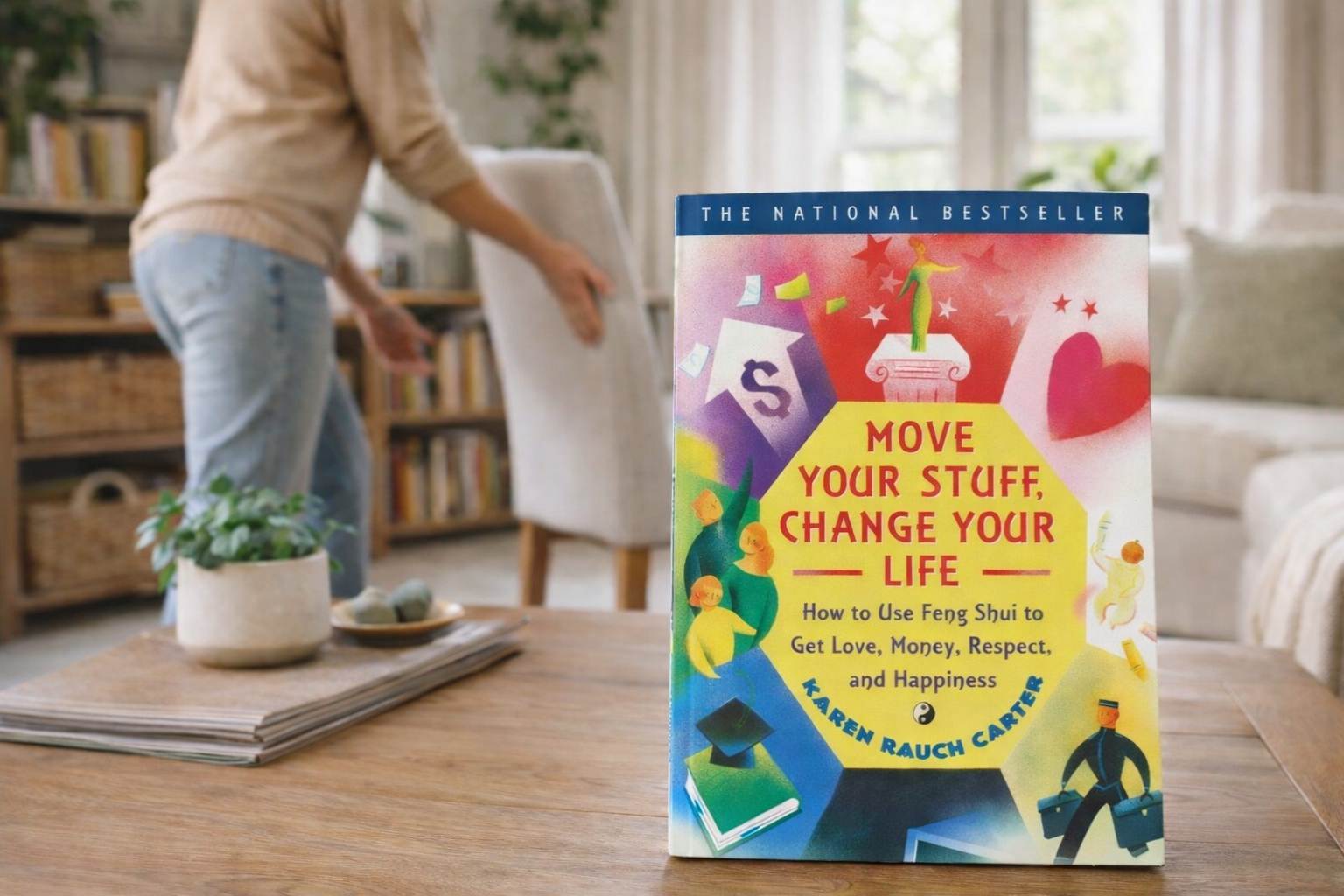
For beginners, this book can be a motivating entry point because it makes feng shui feel active instead of abstract. It is often a good pick for people who want to start applying ideas quickly rather than spending too much time on theory before making any changes.
Why it stands out:
easy-to-grasp, practical tone
encourages visible action in the home
beginner-friendly and well-known
works well for readers who enjoy transformational framing
Ready for a more action-oriented take on feng shui? Explore Move Your Stuff, Change Your Life here.
3. Mindful Living: A Guide to the Everyday Magic of Feng Shui by Anjie Cho and Laura Morris
For readers who are drawn to a softer, more intentional approach, Mindful Living offers a compelling angle. This book connects feng shui with everyday awareness, making it a great fit for people who want their home to feel calm, supportive, and emotionally aligned with the way they live.
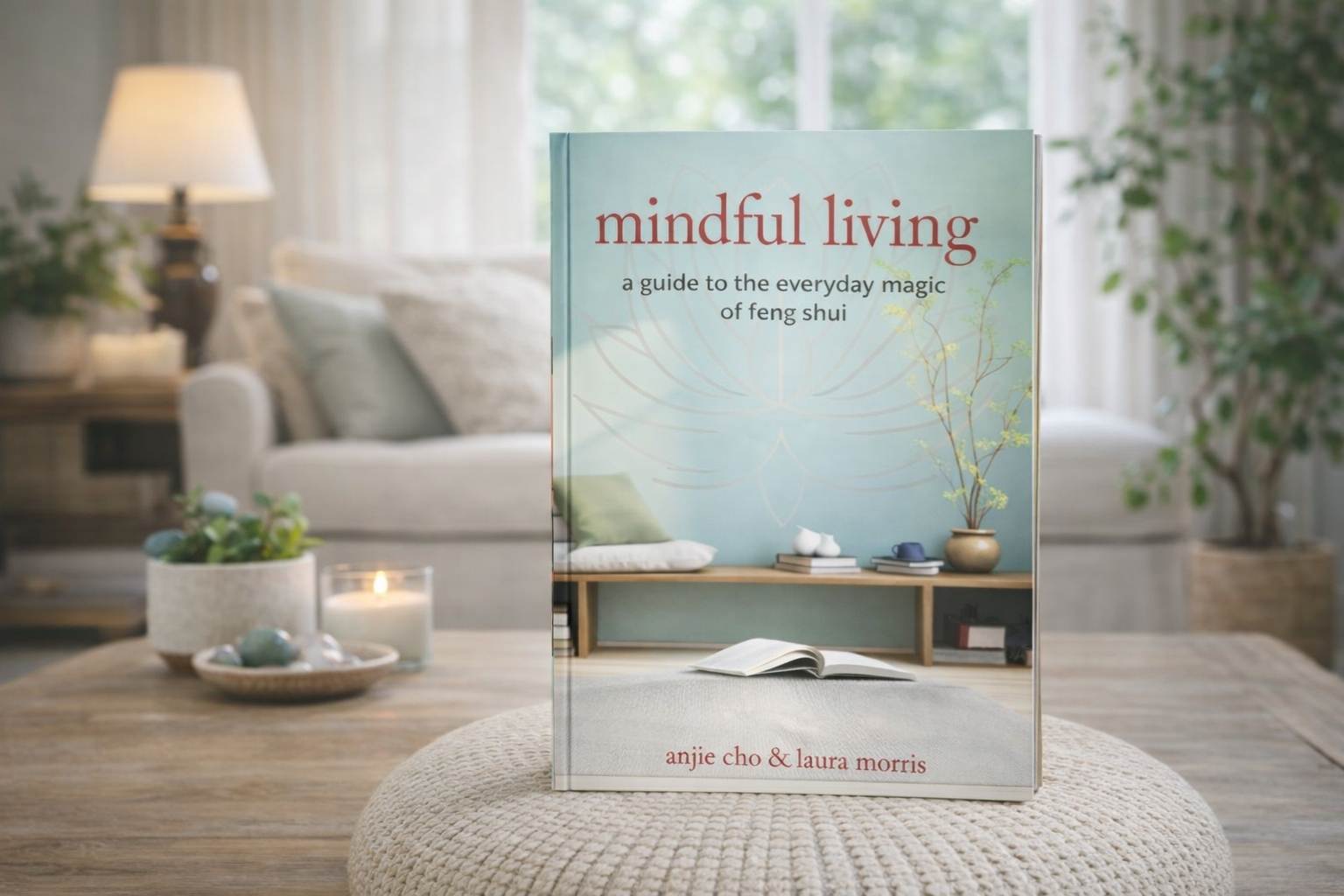
Its strength is in the way it frames feng shui as part of mindful daily life rather than only a design method. That can make the subject feel more accessible, especially for readers interested in wellness, rituals, and creating a home environment with intention.
Why it stands out:
mindful and modern tone
connects feng shui with daily habits
appealing to wellness-focused readers
supports a calm, lifestyle-based interpretation of feng shui
If you love a softer, more mindful approach to home energy, take a look at Mindful Living here.
4. Focused Feng Shui by Dawn Johanson
Focused Feng Shui brings together energy flow, space efficiency, and intentional design, which makes it especially relevant for modern homes. Readers who live in smaller spaces, multifunctional rooms, or busier households may appreciate this more streamlined angle.
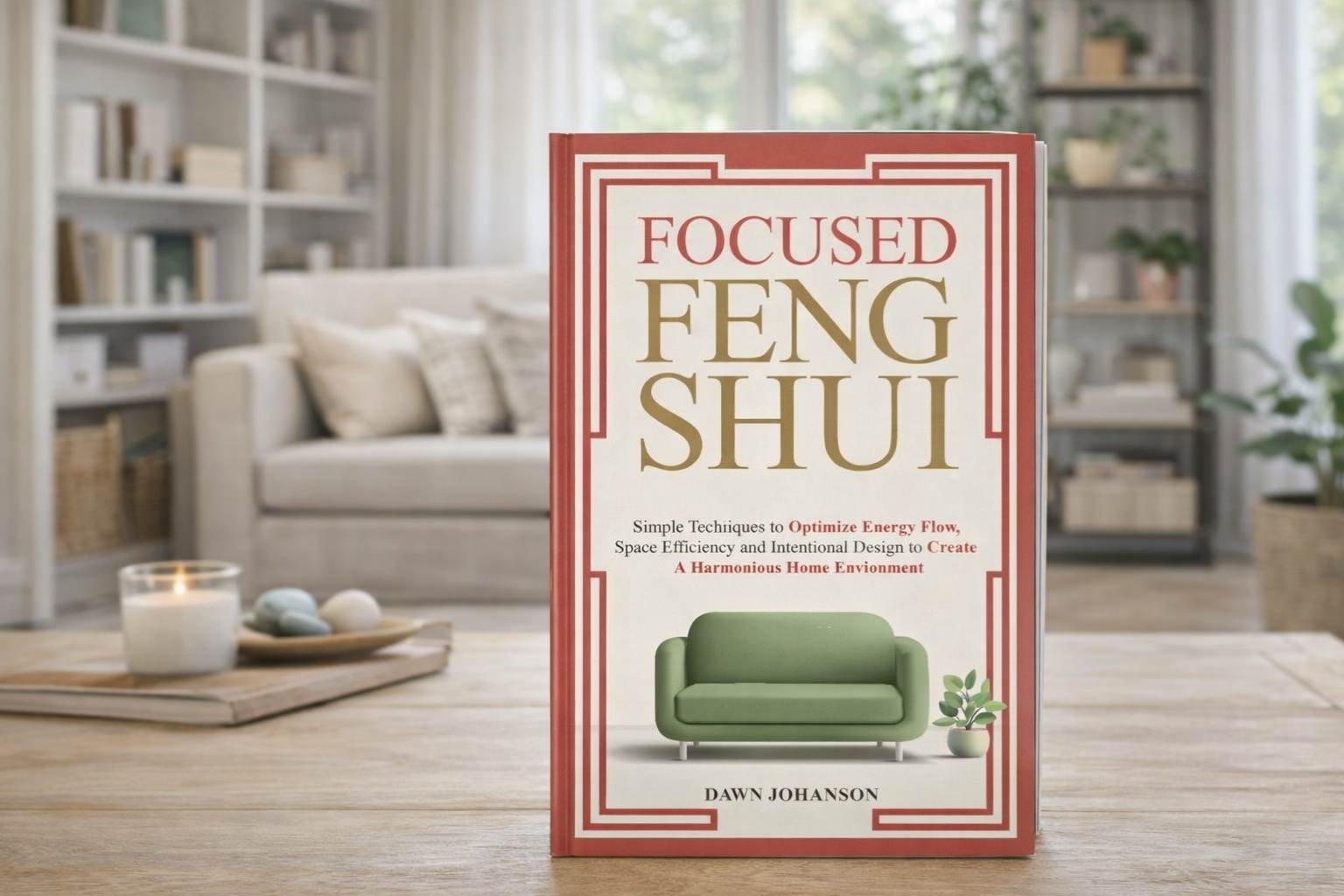
One of the biggest advantages of a book like this is that it helps feng shui feel current. Instead of treating the home as a perfect, static environment, it recognizes that people need spaces that are both supportive and practical. That makes it a useful recommendation for readers who want feng shui ideas they can realistically apply.
Why it stands out:
modern, practical framing
useful for space planning and flow
relevant for busy or compact homes
combines design intention with functionality
For a modern, intentional approach to energy flow and space planning, see Focused Feng Shui here.
5. The Feng Shui Bible by Simon Brown
If you like a more comprehensive reference-style guide, The Feng Shui Bible is a strong addition to your reading list. The title itself suggests a broader, more definitive overview, which can be very useful once you want a wider understanding of feng shui basics and related topics.
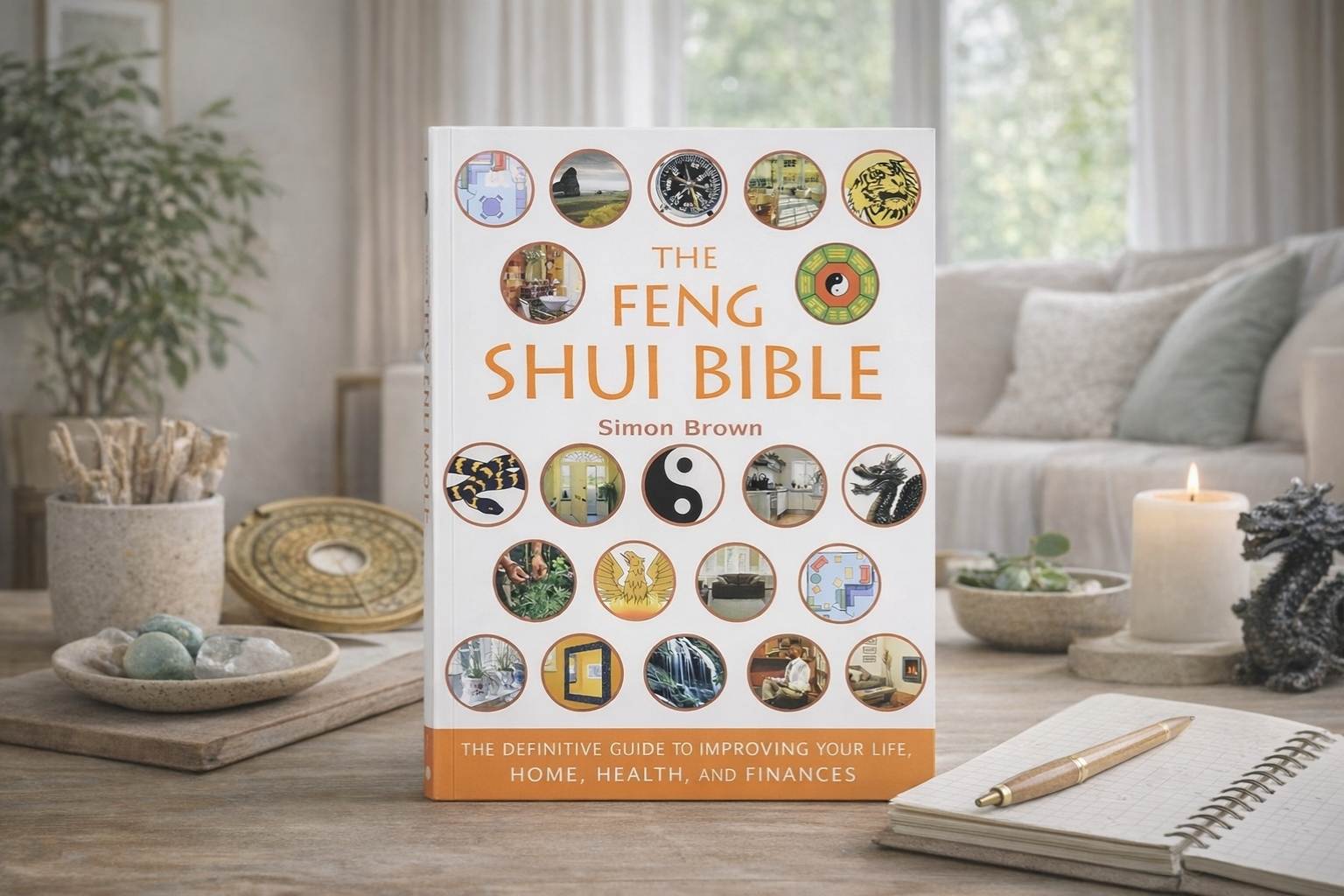
This kind of book works well for readers who want a resource they can return to over time. Rather than only offering a quick introduction, it supports deeper exploration into how feng shui connects with different parts of home life and personal environment.
Why it stands out:
broad overview of feng shui topics
strong reference-book feel
useful for continued learning
helpful for readers who want one book that covers a lot of ground
If you want a more comprehensive reference guide, browse The Feng Shui Bible here.
6. Feng Shui Your Life by Jayme Barrett
Feng Shui Your Life is a good fit for readers who want to see how feng shui extends beyond the visual arrangement of a room. It suggests a broader relationship between environment, habits, and the way a person moves through daily life.
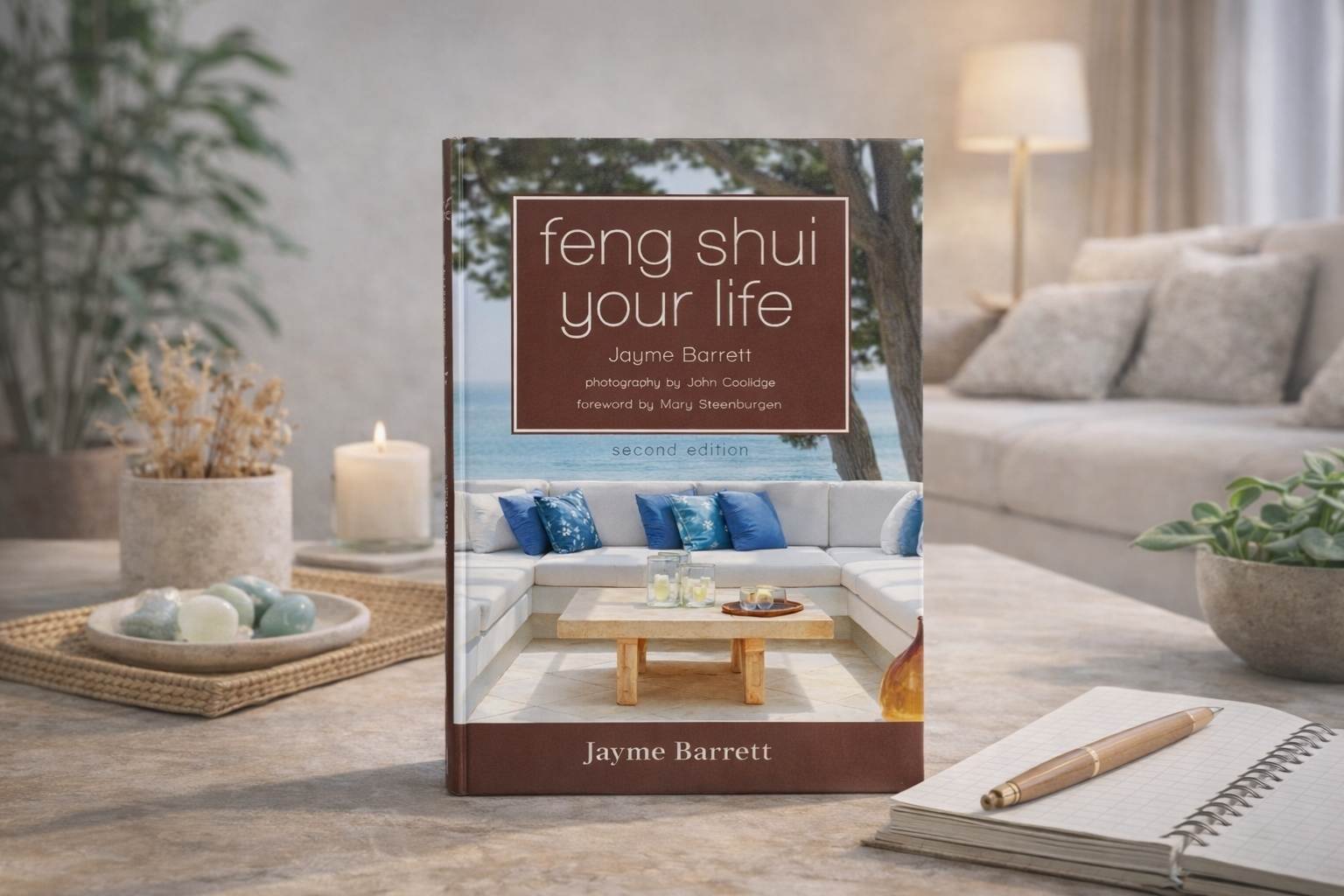
This type of book can be especially appealing if you are interested in feng shui as both a home practice and a mindset. For beginners, that wider lens can make the subject feel more personal and meaningful without requiring an overly technical approach.
Why it stands out:
lifestyle-oriented perspective
expands feng shui beyond decor alone
useful for readers seeking a more holistic interpretation
approachable for beginners exploring the topic more deeply
Looking for a lifestyle-focused feng shui book with visual inspiration? Discover Feng Shui Your Life here.
7. Feng Shui for the Soul by Denise Linn
If your main goal is to create a home that feels nurturing, restorative, and emotionally supportive, Feng Shui for the Soul is a natural choice. This book leans into the connection between outer environment and inner experience, which is one of the reasons many people become interested in feng shui in the first place.
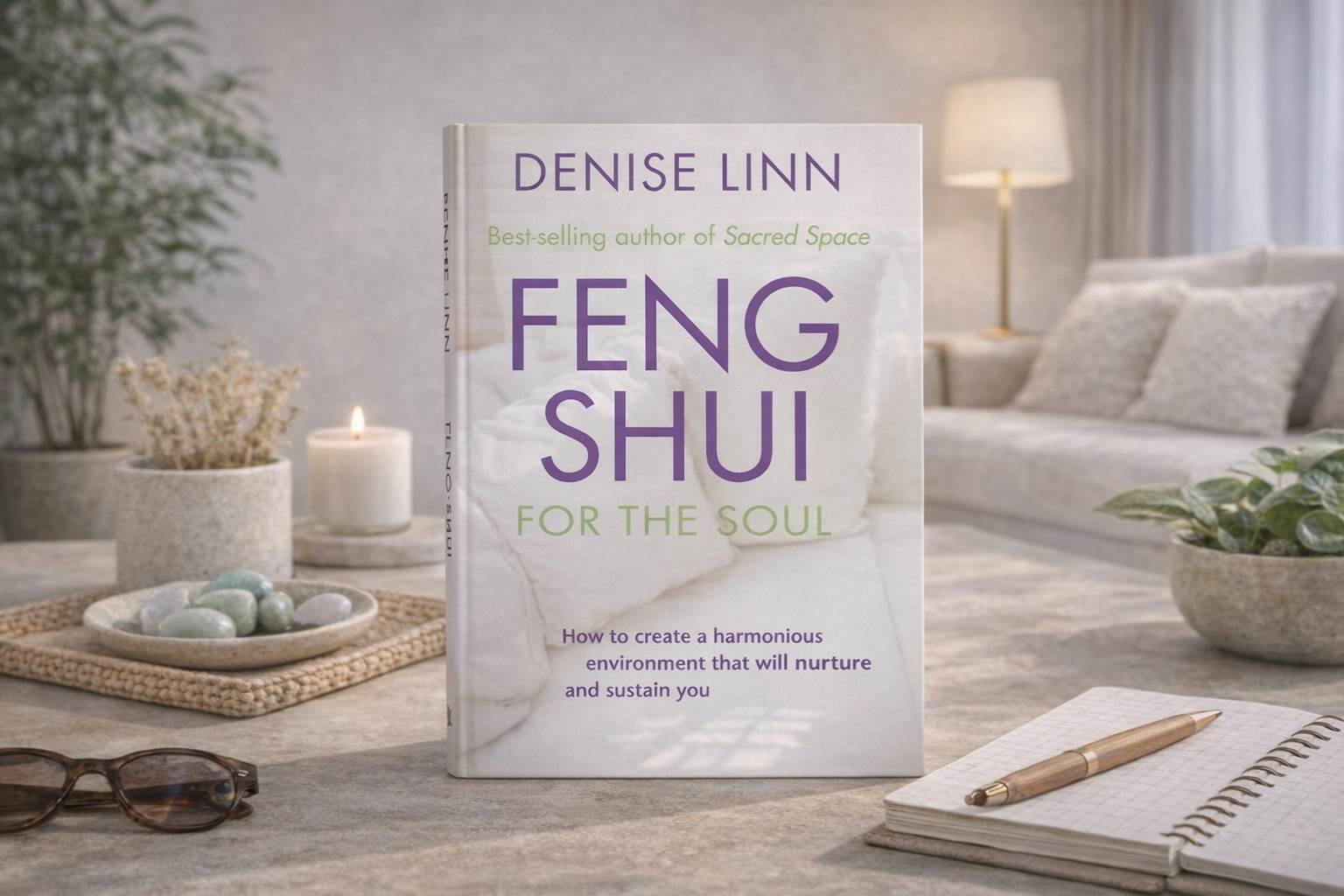
It is a strong recommendation for readers who want their space to feel less stressful and more aligned with rest, reflection, and well-being. While some readers prefer a highly practical or design-driven approach, others are looking for something more intuitive and emotionally resonant. This book speaks well to that audience.
Why it stands out:
nurturing, supportive focus
emphasizes emotional atmosphere
ideal for readers drawn to soulful home design
strong fit for those seeking harmony and restoration
If your goal is to create a home that feels nurturing and restorative, find Feng Shui for the Soul here.
How to Choose the Right Feng Shui Book for You
The best feng shui book depends on what you want most right now. If you want a practical introduction, Feng Shui that Makes Sense is a strong place to begin. If you prefer a more action-oriented approach, Move Your Stuff, Change Your Life may feel more motivating. For a calmer, more mindful perspective, Mindful Living and Feng Shui for the Soul are great options. If you want a broader reference guide, The Feng Shui Bible gives you more to explore.
The easiest way to start is to choose one book that matches your style and current goal, rather than trying to read everything at once.
A Simple Way to Use These Books Without Feeling Overwhelmed
Start with one book, not several. Read with your own home in mind, highlight a few ideas that feel realistic, and apply one small change in one room first. This makes feng shui feel more practical and helps you build confidence step by step.
These seven books offer different ways to understand feng shui, from practical design to mindful living and deeper home harmony. Pick the one that feels most aligned with your style, start small, and let your space evolve naturally.
More Feng Shui Tips