
Feng Shui Bedroom Layout Rules for Better Sleep and Flow


Your bedroom should feel like the easiest place in the home to relax, reset, and recharge. But when the layout feels off, the room can seem restless, cramped, or strangely draining, even if the decor looks beautiful.
That is where feng shui bedroom layout principles can help. With a few thoughtful changes, you can create a space that feels calmer, more supportive, and better suited for deep rest.
- Why Bedroom Layout Matters in Feng Shui
- Place the Bed in the Most Supportive Position
- Create Balance on Both Sides of the Bed
- Keep Clear Pathways and Gentle Flow
- Be Careful With Mirrors, Desks, and Extra Furniture
- Use a Layout That Feels Grounded, Not Crowded
- A Simple Feng Shui Bedroom Layout Checklist
Why Bedroom Layout Matters in Feng Shui
In feng shui, layout matters because it shapes how energy moves through a room and how supported you feel inside it. A bedroom is meant to be yin: quiet, soft, restful, and grounding. When furniture placement creates tension, blockage, or imbalance, the room may feel harder to settle into.
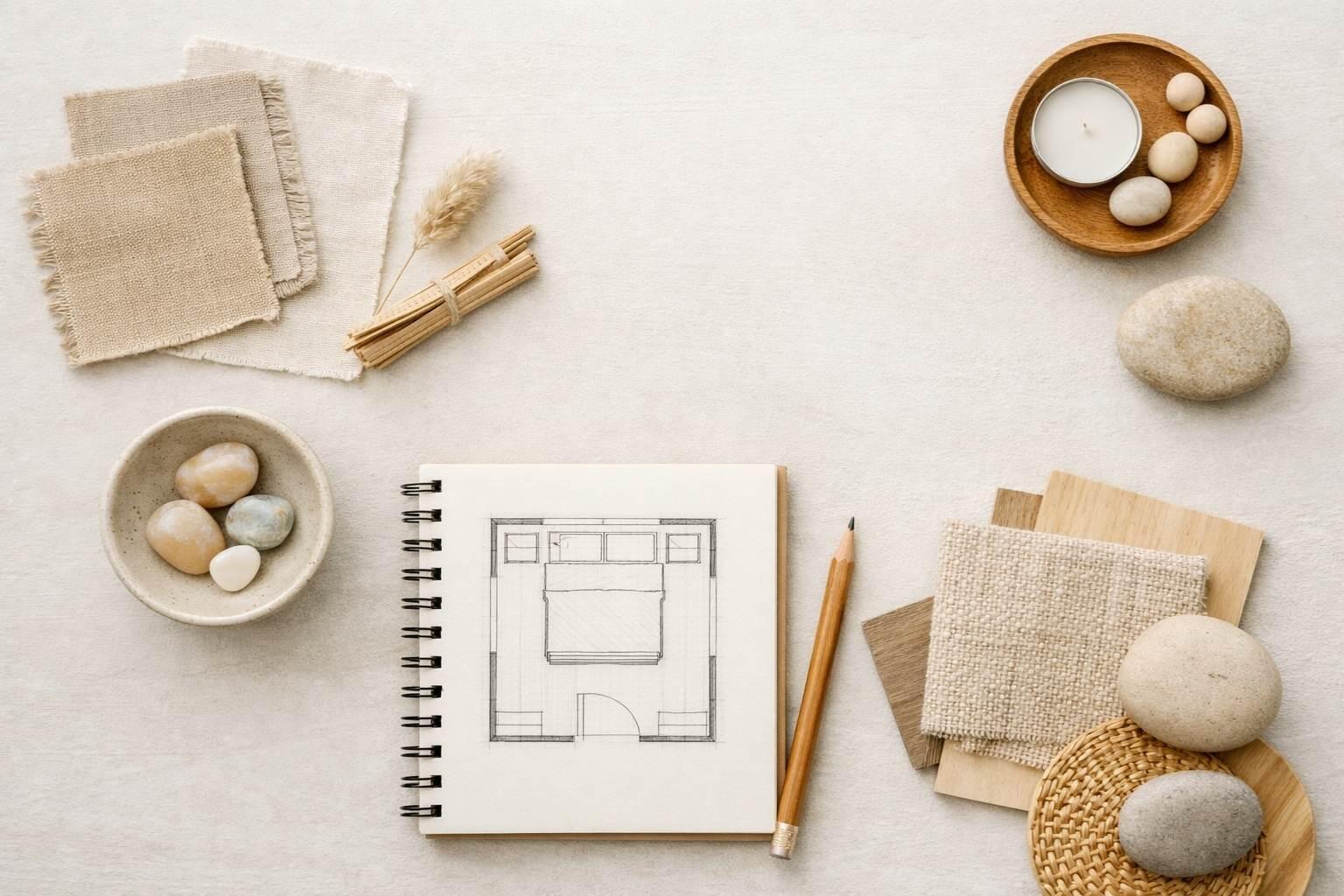
A good feng shui bedroom layout is not about perfection. It is about creating a room that feels safe, balanced, and easy to move through. The right setup can help the bedroom feel more peaceful while also making everyday routines more comfortable.
Place the Bed in the Most Supportive Position
The bed is the most important piece in any feng shui bedroom layout. Ideally, it should be placed in what feng shui calls the command position. This usually means you can see the door while lying in bed, but you are not directly in line with it.
This placement helps the room feel more secure and grounded. It also gives the bed a stronger visual and energetic position in the space.
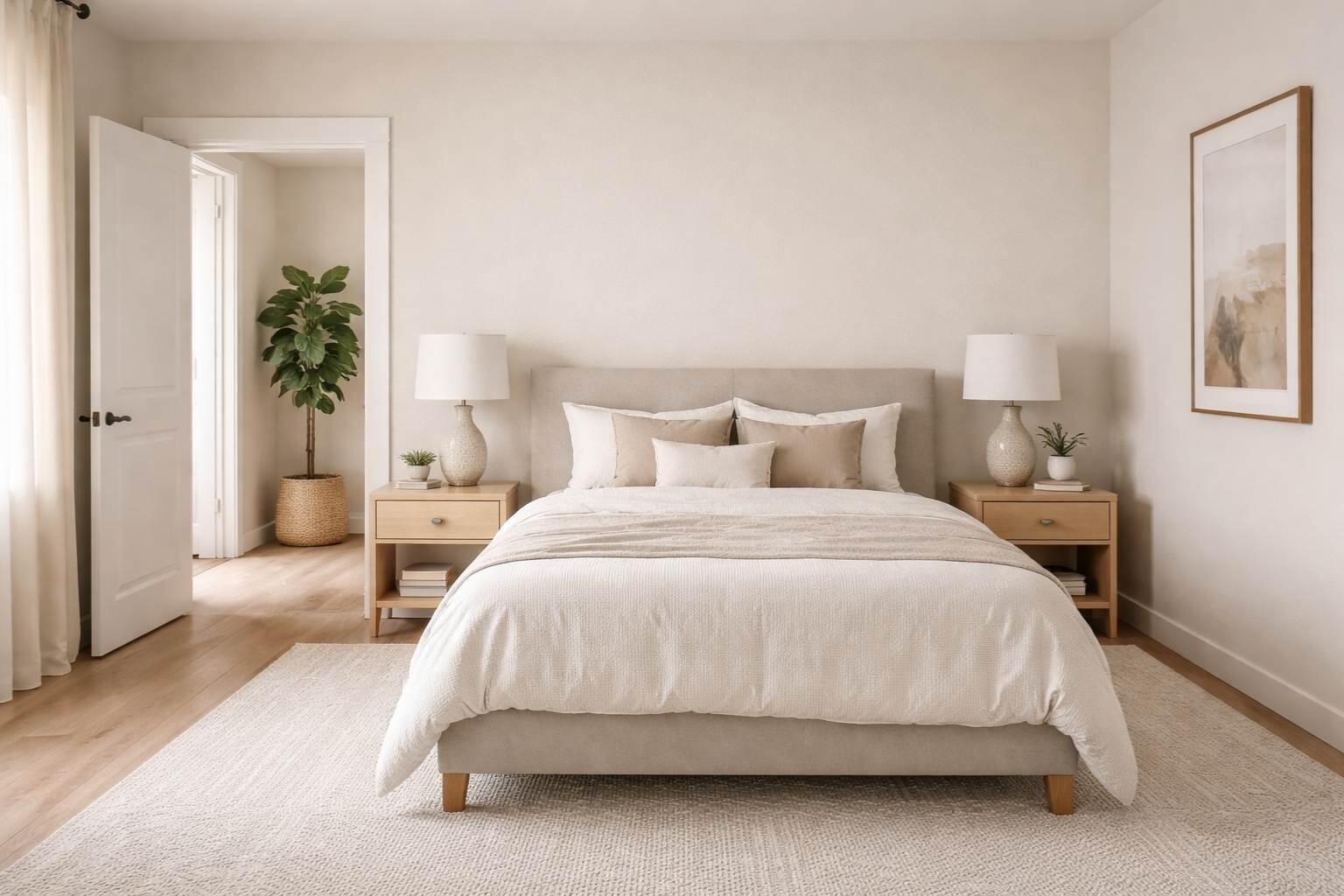
Here are the main bed placement rules to follow:
Place the bed against a solid wall whenever possible
Avoid putting the bed directly in line with the bedroom door
Try not to place the bed under a window
Leave space on both sides of the bed if the room allows
Use a sturdy headboard for added support
If your room layout is awkward, do the best you can with the space you have. Feng shui works well when applied practically, not rigidly.
Create Balance on Both Sides of the Bed
Balance is one of the simplest ways to improve bedroom flow. When one side of the bed is blocked by a wall or crowded with furniture, the room can feel uneven. A more balanced arrangement supports calm and makes the space easier to use.
In many bedrooms, this means using two nightstands or at least creating visual equality on both sides. This does not mean both sides have to look identical, but they should feel intentionally balanced.

You can create better symmetry by:
Leaving walking room on each side of the bed
Using similar lighting on both sides
Keeping furniture heights visually harmonious
Avoiding one side that feels overloaded while the other feels empty
This rule is especially helpful in shared bedrooms, but it also makes solo spaces feel more stable and grounded.
Keep Clear Pathways and Gentle Flow
A peaceful bedroom should be easy to move through. When furniture blocks the entrance, crowds the bed, or creates tight walkways, the room can feel stressful before you even notice why. In feng shui, cluttered pathways can interrupt flow and make the space feel heavy.
Look at how you enter the room and move around the bed. The layout should feel natural, not forced.
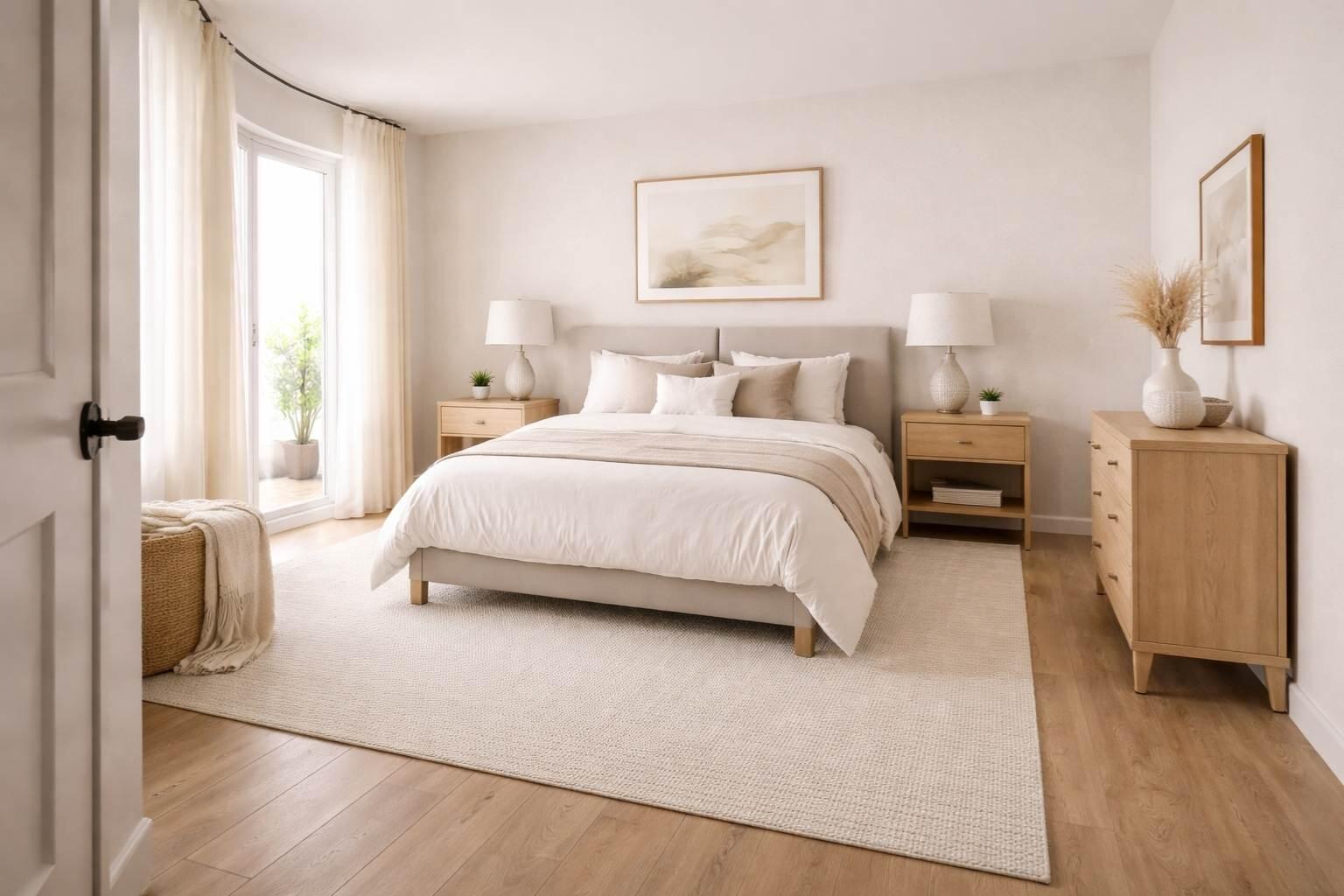
Practical ways to improve flow
Keep the path from the door to the bed open
Avoid placing large furniture where it creates sharp corners in walking areas
Do not overfill the room with extra seating, storage, or decor
Make sure drawers and doors can open easily
Leave enough space to walk comfortably around key furniture
Even small changes can make a bedroom feel more open and breathable.
Be Careful With Mirrors, Desks, and Extra Furniture
Many bedrooms end up doing too much. They become part office, part storage room, part dressing area, and part sleep space. In feng shui, this can dilute the restful purpose of the room.
Mirrors, desks, and extra furniture are not always a problem, but they should be placed thoughtfully.
With mirrors, many people prefer not to have one reflecting the bed. This can make the room feel more active and less restful. If a mirror faces the bed and the setup feels uncomfortable, consider moving it or covering it at night.
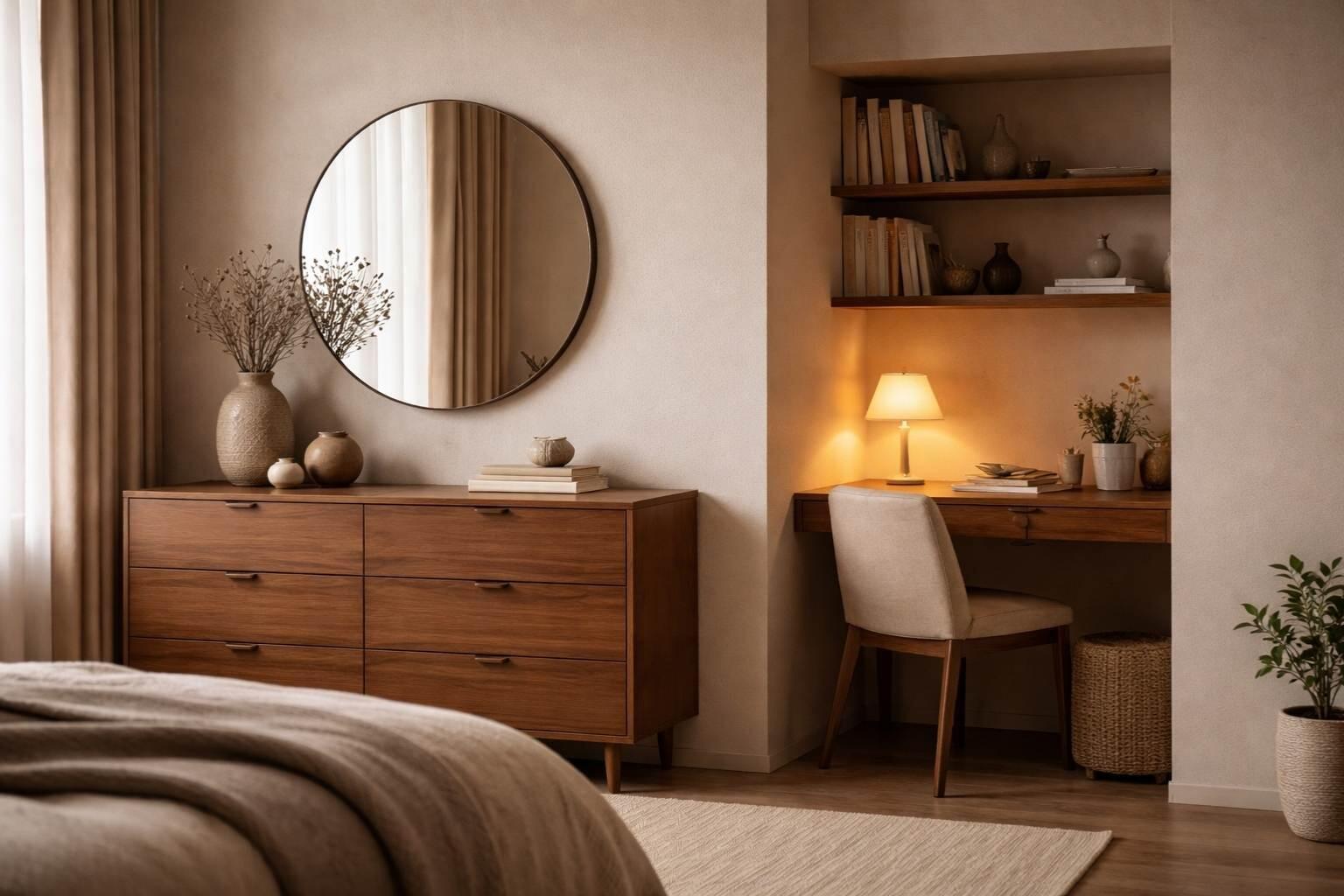
Desks in the bedroom can also bring more active energy into a space meant for rest. If you must keep one in the room, place it as far from the bed as possible and keep it clean and visually quiet.
Try to remove or reduce:
Unused furniture
Bulky storage around the bed
Workout equipment
Work-related clutter
Mirrors that visually dominate the room
The more clearly the room says rest, the easier it becomes to use it that way.
Use a Layout That Feels Grounded, Not Crowded
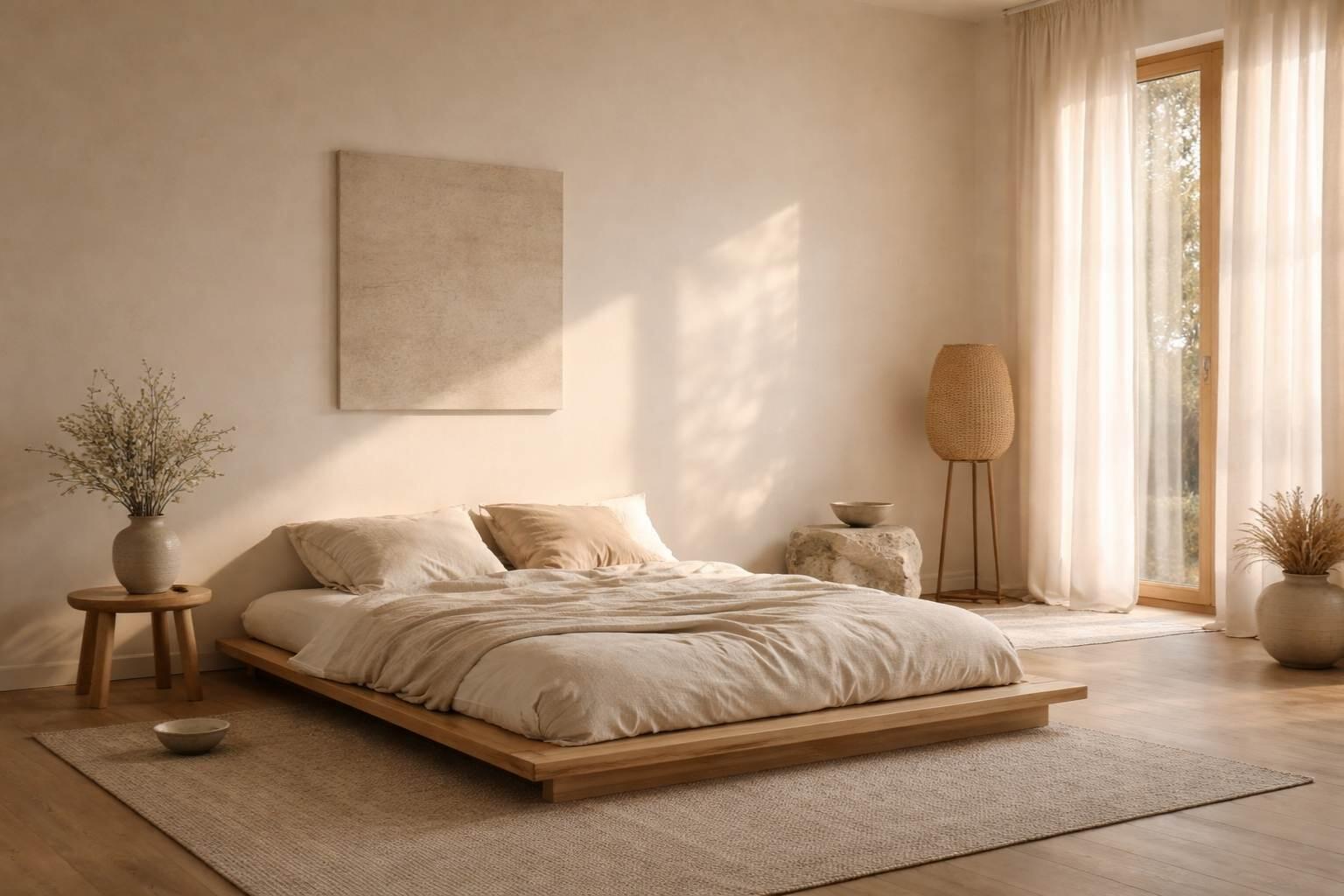
A good feng shui bedroom layout supports the room without making it feel empty or overdesigned. The goal is not to add more. It is often to remove distractions and let the key pieces breathe.
Start with the essentials: bed, nightstands, lighting, and practical storage. Then step back and ask whether the room feels settled. If the answer is no, the issue is often layout before decor.
Look for signs the room may be overcrowded:
Furniture pushed into every corner
Too many decorative items around the bed
Storage bins or baskets in constant view
Large pieces that overwhelm the room size
No visual pause between furniture items
A grounded room usually feels simple, intentional, and easy to maintain.
A Simple Feng Shui Bedroom Layout Checklist
If you want a quick way to assess your room, use this checklist:
Is the bed in a strong position with a clear view of the door?
Is the bed placed against a solid wall?
Is there space on both sides of the bed?
Are pathways open and easy to move through?
Does the room feel balanced rather than cramped?
Are mirrors, desks, or extra furniture kept under control?
Does the bedroom clearly support rest first?
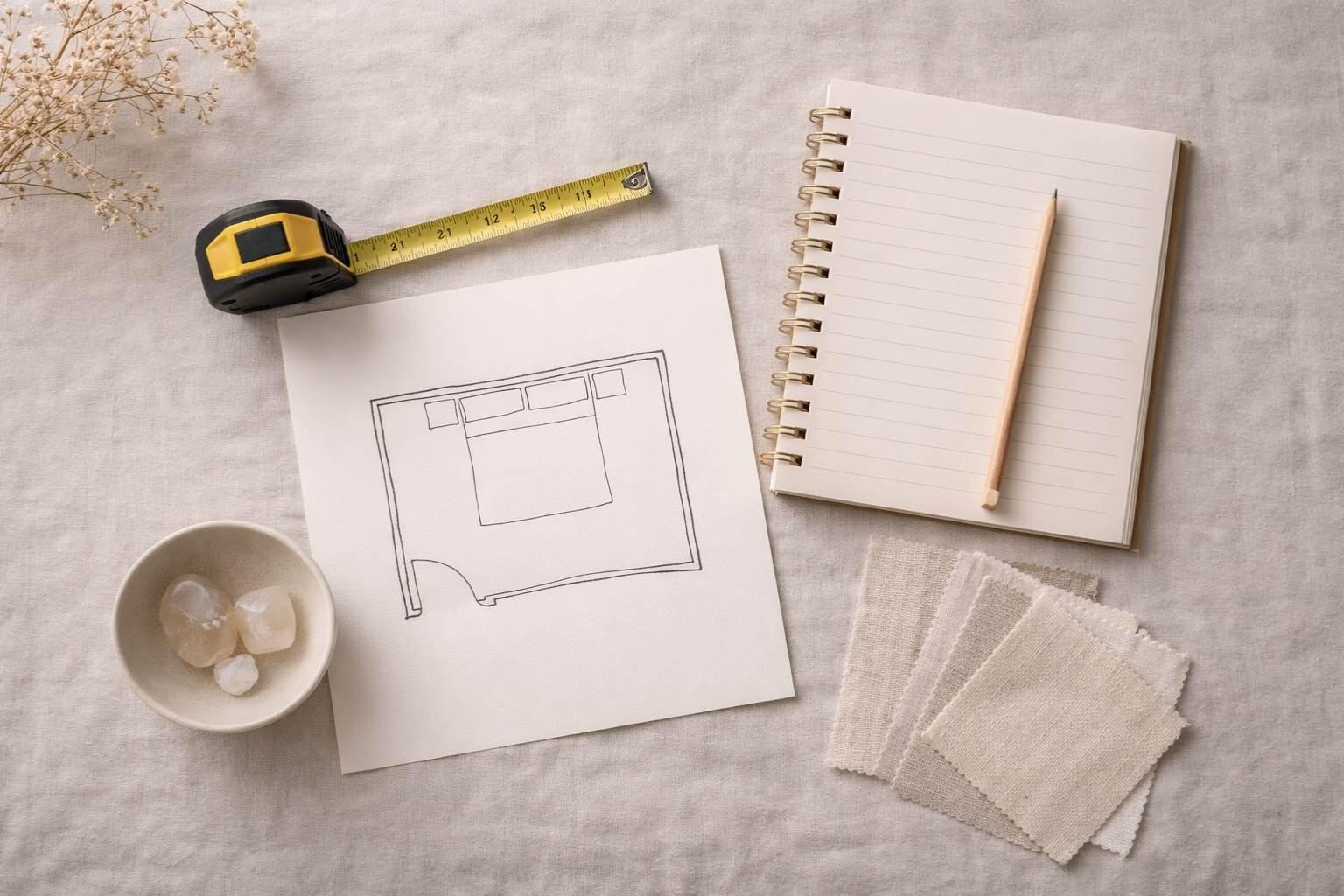
You do not need every detail to be perfect. Even improving two or three of these areas can change how the room feels.
The best feng shui bedroom layout is one that helps you feel calm, supported, and at ease the moment you walk in. Start with the bed, improve balance, and clear the pathways that interrupt the room’s natural flow. Small layout changes can make a bedroom feel noticeably more restful without requiring a full redesign.
More Feng Shui Tips