
How to Feng Shui Your Home Office for Productivity and Calm

Working from home can be convenient, but it can also make it harder to stay focused, energized, and mentally clear.
That is where home office feng shui can help. A well-arranged workspace can support better flow, reduce visual stress, and make your daily routine feel more grounded.
In this guide, you will learn simple feng shui principles to create a home office that feels productive, calm, and easy to work in.
- Why Home Office Feng Shui Matters
- Start With the Right Desk Position
- Clear Clutter to Improve Focus
- Choose Colors That Support the Way You Work
- Bring in Natural Elements for Balance
- Create a Simple Feng Shui Work Routine
- Common Home Office Feng Shui Mistakes to Avoid
- Make Your Workspace Feel Supportive, Not Perfect
Why Home Office Feng Shui Matters
Your workspace affects more than just how it looks. It influences how you think, how long you can concentrate, and how comfortable you feel during the day. In feng shui, your environment is closely connected to your energy, habits, and sense of balance.
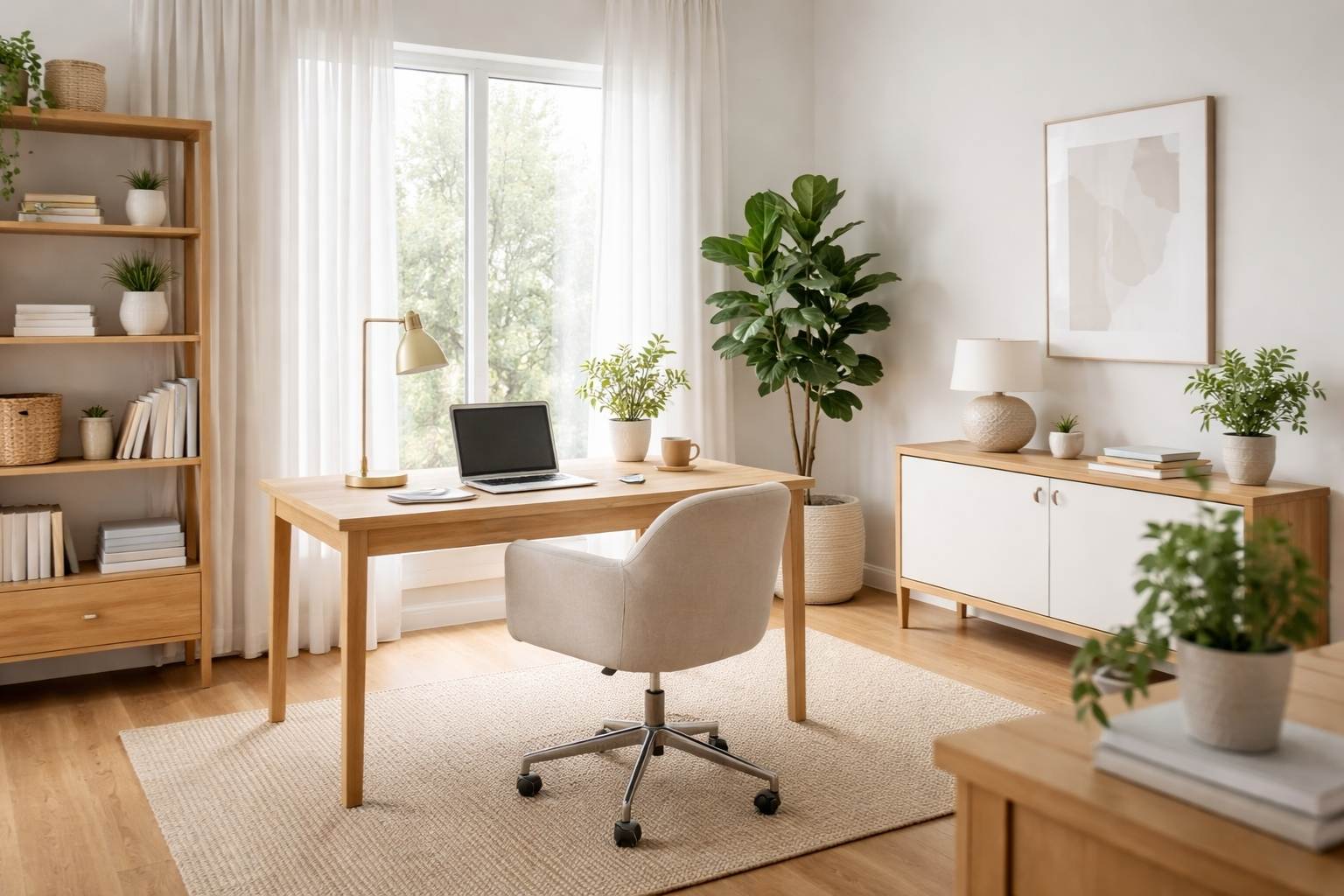
A home office with poor layout, too much clutter, or uncomfortable desk placement can feel draining over time. On the other hand, a space that feels open, supported, and intentional can help you settle into work more easily. Even small changes can make a noticeable difference in how your office functions.
Start With the Right Desk Position
Desk placement is one of the most important parts of feng shui for a home office. Ideally, your desk should be in a position where you can see the door without being directly in line with it. This is often called the command position. It can create a greater sense of control and help the space feel more secure.
If your desk cannot be moved, there are still ways to improve the setup. You can place a small mirror so you can see the entrance indirectly, or make sure the area in front of you feels open and not visually blocked.
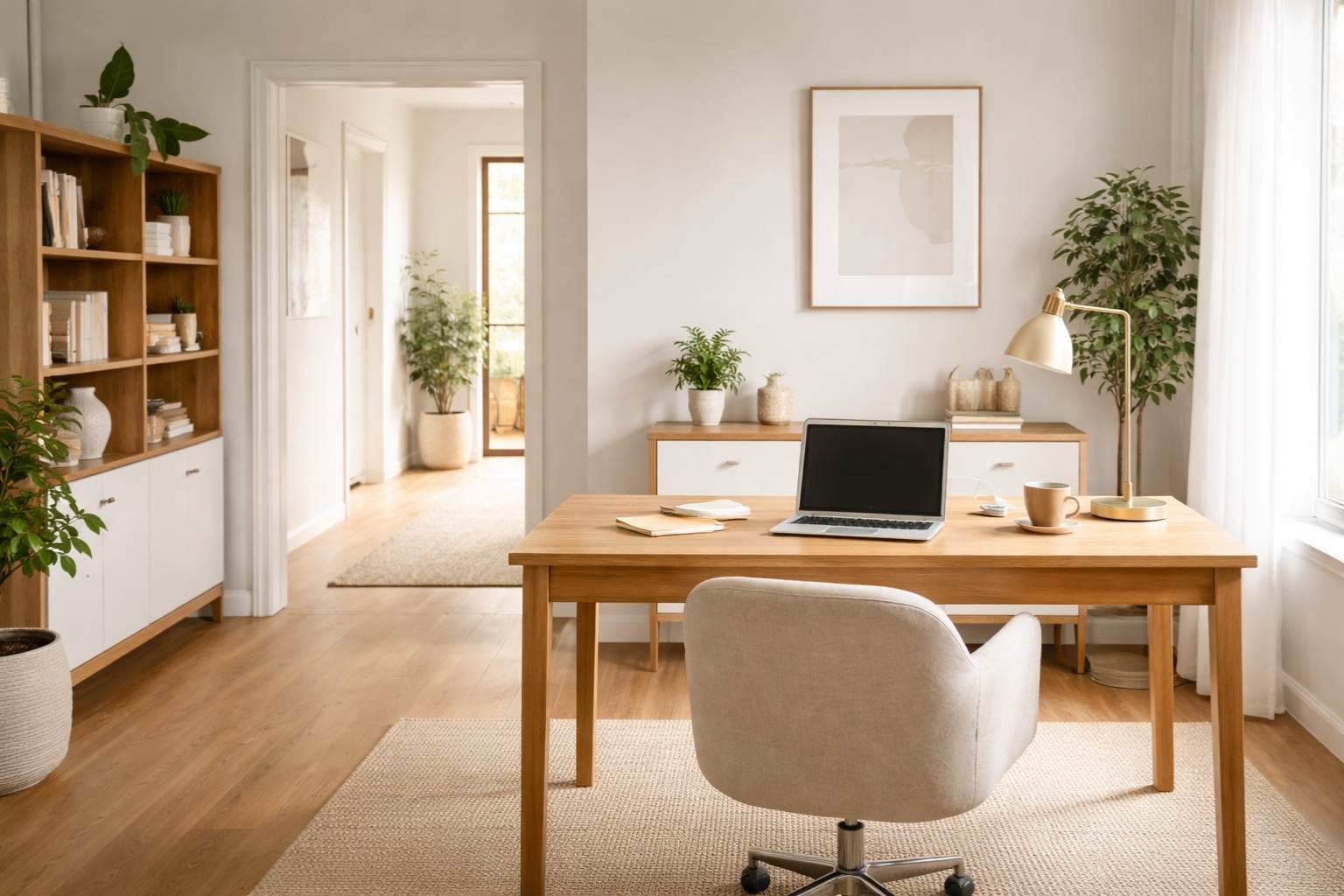
Here are a few desk placement tips to keep in mind:
Sit with a solid wall behind you when possible
Avoid facing a blank wall for long hours if it feels restrictive
Try not to place your desk directly under heavy shelves
Keep enough open space around your desk to support movement and flow
A supportive position can make your workspace feel more stable and less mentally tiring.
Clear Clutter to Improve Focus
Clutter is one of the quickest ways to disrupt the energy of a home office. It creates visual noise, makes it harder to find what you need, and can quietly increase stress throughout the day. Feng shui encourages keeping only what is useful, meaningful, or supportive in the space.
Start by clearing surfaces you use every day. Your desk should feel functional, not overloaded. Keep your daily essentials nearby, but store extra papers, cords, and supplies out of sight when possible.
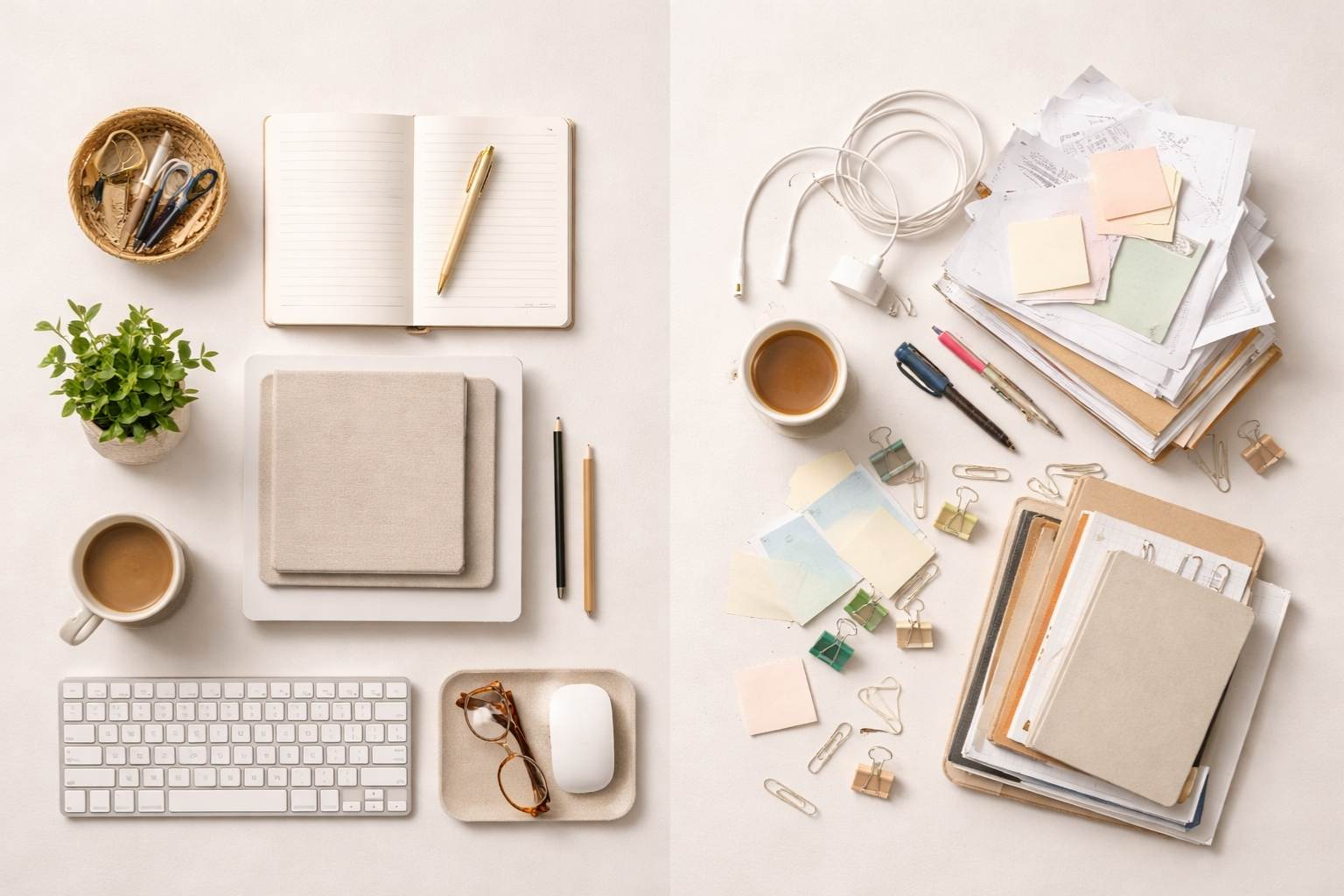
A simple clutter reset can include:
Quick home office decluttering checklist
Remove broken, unused, or distracting items
Clear old paperwork and random stacks
Use trays, drawers, or boxes to organize supplies
Tidy visible cables and chargers
Keep your desktop as open as possible
Add one or two intentional items instead of many small decorations
The goal is not to make the space look empty. The goal is to make it feel clear, usable, and supportive.
Choose Colors That Support the Way You Work
Color can influence the mood of a room, so it is worth thinking about what kind of energy you want in your office. The best home office feng shui colors often depend on the feeling you want to create.
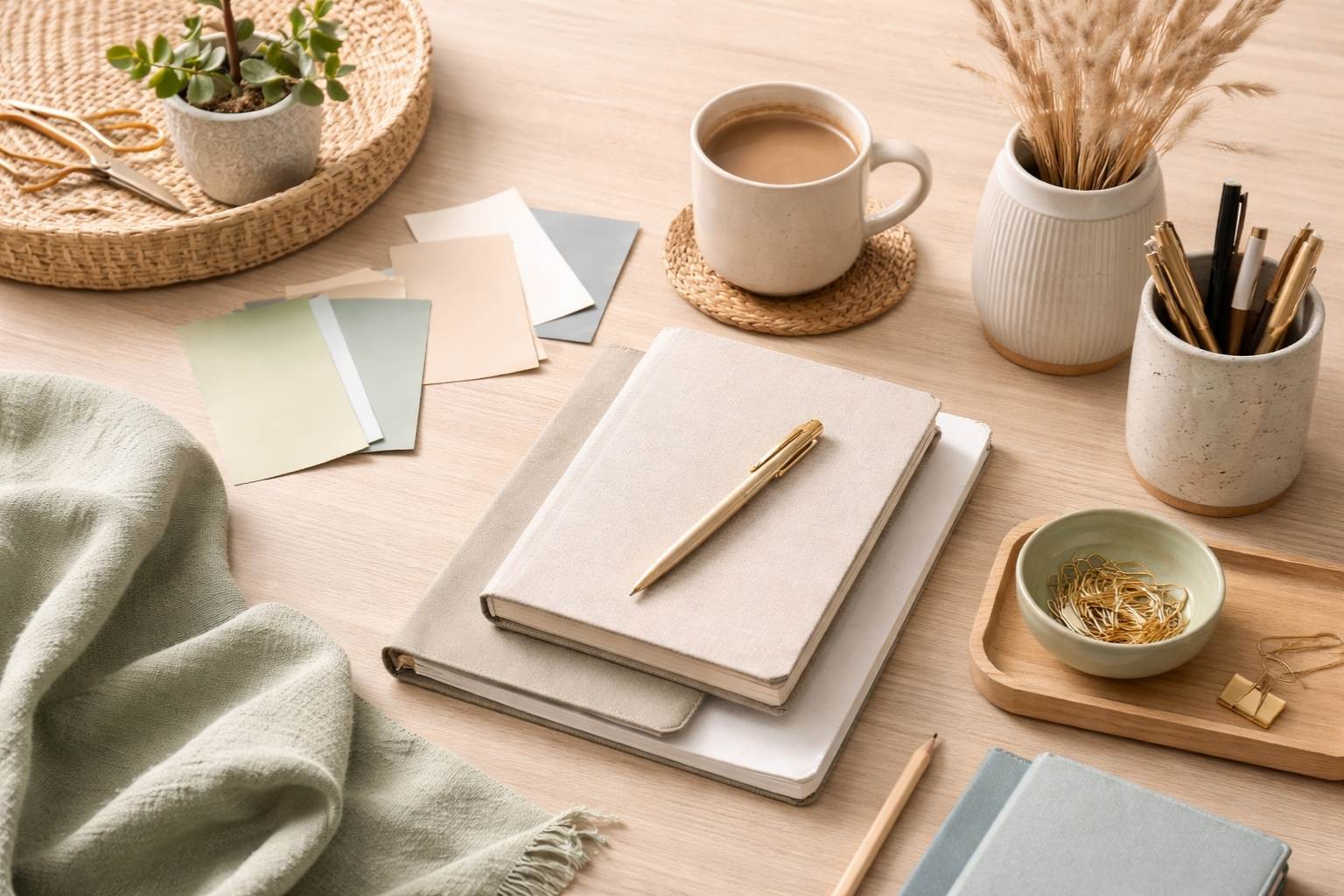
Soft greens and blues can feel calm and balanced. Neutrals can make the room feel grounded and clean. Warmer tones like muted terracotta or soft beige can add comfort without feeling too heavy. If you want more motivation, small accents of red, gold, or deeper green can bring energy to the space.
Try using color in simple ways, such as:
Wall paint
Artwork
Desk accessories
Curtains
Storage boxes
Chair cushions or textiles
It is usually best to avoid too many intense colors at once, especially in small offices. A calmer palette often makes it easier to concentrate.
Bring in Natural Elements for Balance
A productive home office should not feel cold or overly mechanical. Feng shui often works best when a space includes natural materials and small reminders of life and movement. These elements can soften a work-focused room and help it feel more balanced.
A few easy ways to do this include adding a healthy plant, using wood tones, bringing in natural light, or choosing materials like linen, cotton, bamboo, or ceramic. If natural light is limited, layered lighting can still improve the atmosphere.
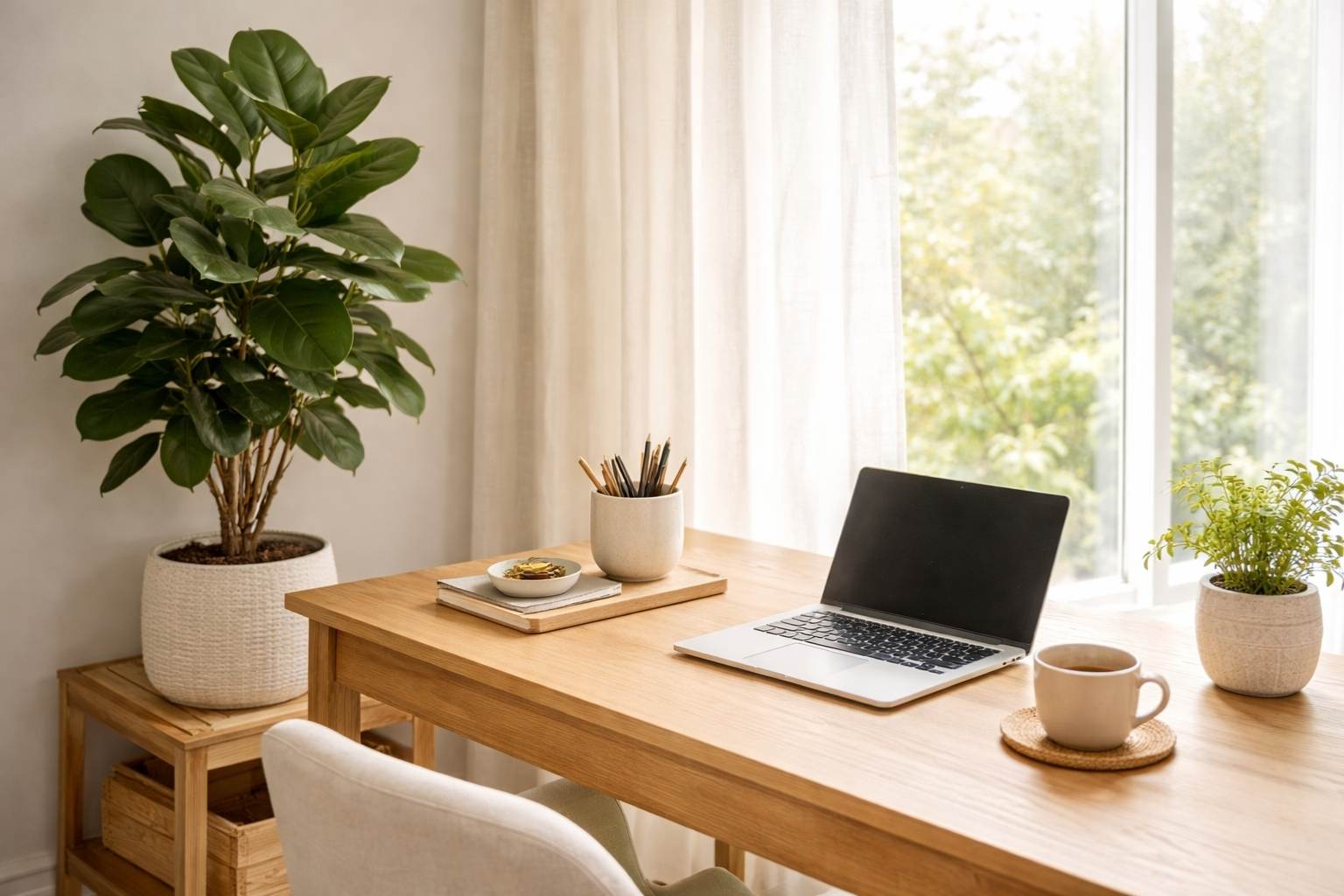
You do not need to fill the room with decor. A few thoughtful pieces can do more than a crowded shelf ever could.
Helpful natural elements for a home office include:
A simple desk plant
Wooden furniture or accents
Natural fiber baskets
Soft daylight or warm lamps
A landscape print or nature-inspired artwork
These details can make the space feel calmer and more inviting during long work hours.
Create a Simple Feng Shui Work Routine
Feng shui is not just about how the room looks. It is also about how the space supports your daily habits. A home office that feels good but functions poorly will still be frustrating. That is why it helps to create a simple routine that keeps the energy fresh and the room easy to use.
Here is a practical system you can follow:
5-step home office feng shui routine
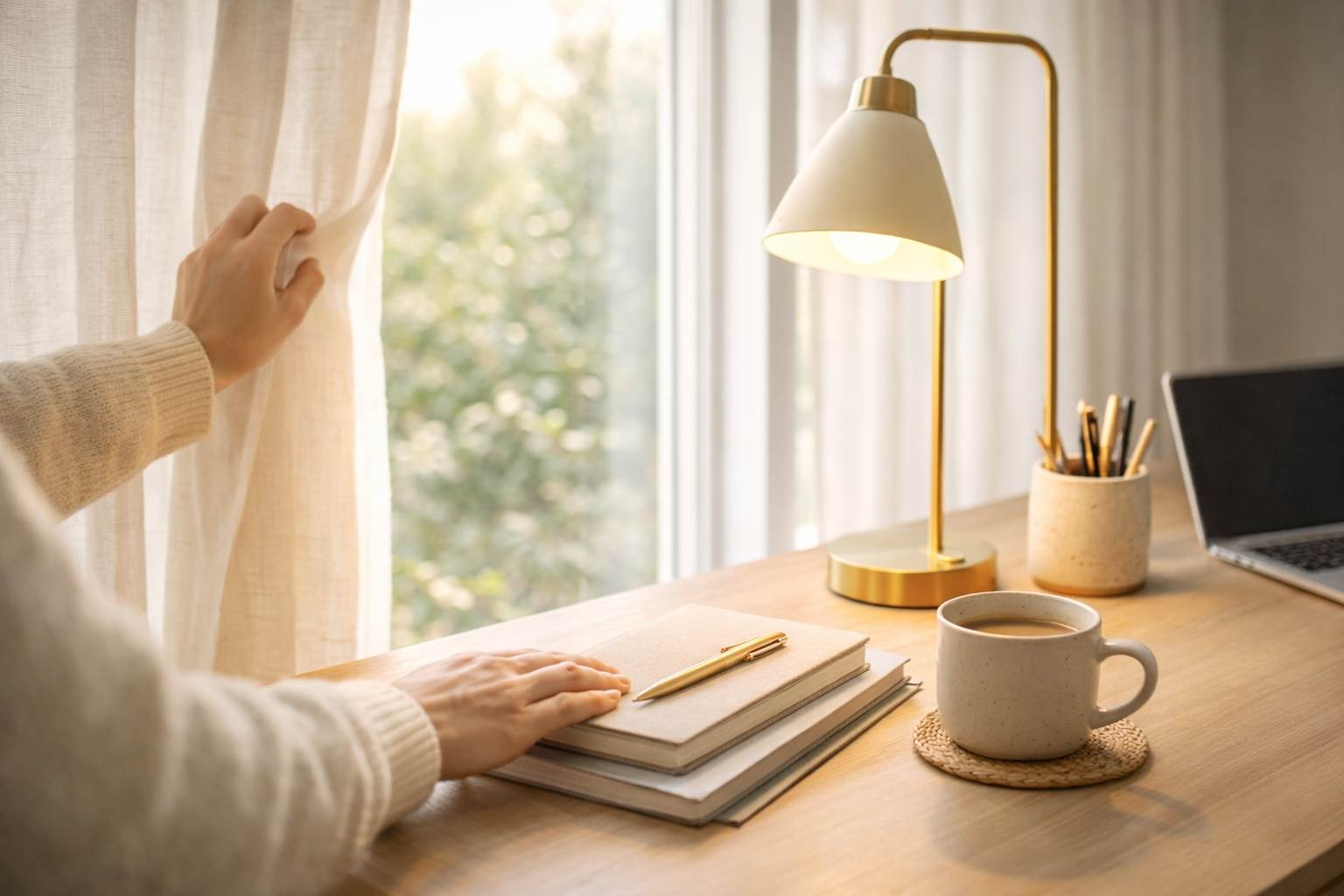
1. Open the space each morning
Let in natural light, open curtains, and refresh the air if possible.
2. Reset your desk before starting
Clear away anything left from the day before so you begin with a clean surface.
3. Keep one main focus area
Choose one zone for your most important work and keep it free from unrelated items.
4. Pause for a midday refresh
Straighten the room, refill water, and check your posture and lighting.
5. Close the workday intentionally
Put tools away, tidy your desk, and create a visual signal that work is done.
This routine can help your office feel more supportive day after day, not just right after a makeover.
Common Home Office Feng Shui Mistakes to Avoid
Some home office setups look fine at first, but still feel uncomfortable or distracting. Often, the issue comes from a few common mistakes that are easy to fix.
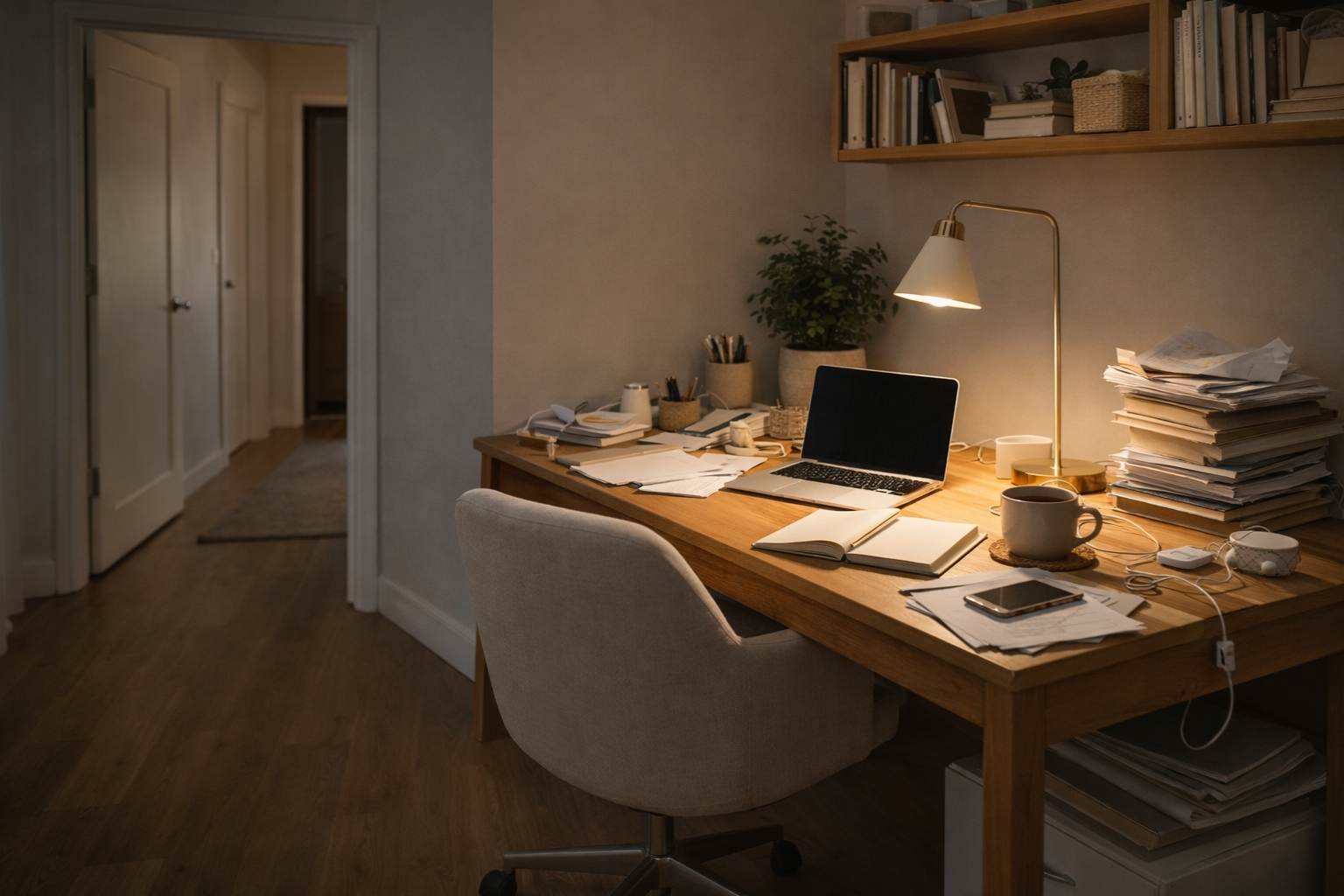
Watch out for these problems:
A desk facing a wall with no visual relief
Too much clutter on the desktop
Poor lighting that creates fatigue
Sitting with your back to the door
Using the office as storage for unrelated household items
Overdecorating with objects that do not serve a purpose
Ignoring comfort in favor of appearance
A feng shui office should feel both pleasant and practical. Beauty matters, but function matters too.
Make Your Workspace Feel Supportive, Not Perfect
You do not need a large room or a complete redesign to improve your home office feng shui. A few thoughtful changes in desk placement, clutter control, color, and daily habits can shift the feeling of the whole space.
Start with what is easiest, then build from there. A calm, supportive workspace can help you work with more clarity and less friction every day.
More Feng Shui Tips