
The Best Feng Shui Decluttering Method for Busy People


If your home feels heavy, distracting, or harder to manage than it should, clutter may be interrupting the natural flow of energy. The good news is that you do not need a perfect house or an all-day cleaning marathon to make a difference.
A simple feng shui decluttering method can help you clear space in a way that feels realistic, calm, and sustainable. This guide is for busy people who want an easier system, better flow at home, and less visual stress in everyday life.
- Why clutter matters in feng shui
- The best decluttering method: small, focused, and consistent
- Start with the areas that affect flow the most
- Use the “one zone, one decision” rule
- A practical 15-minute feng shui decluttering routine
- What to let go of first
- How to keep clutter from coming back
- The real goal of feng shui decluttering
Why clutter matters in feng shui
In feng shui, clutter is often linked to stagnant energy. When too many unused, forgotten, or disorganized items build up in a space, the home can start to feel stuck rather than supportive. Even if the clutter is not extreme, piles of things can create visual noise that affects how a room feels and functions.
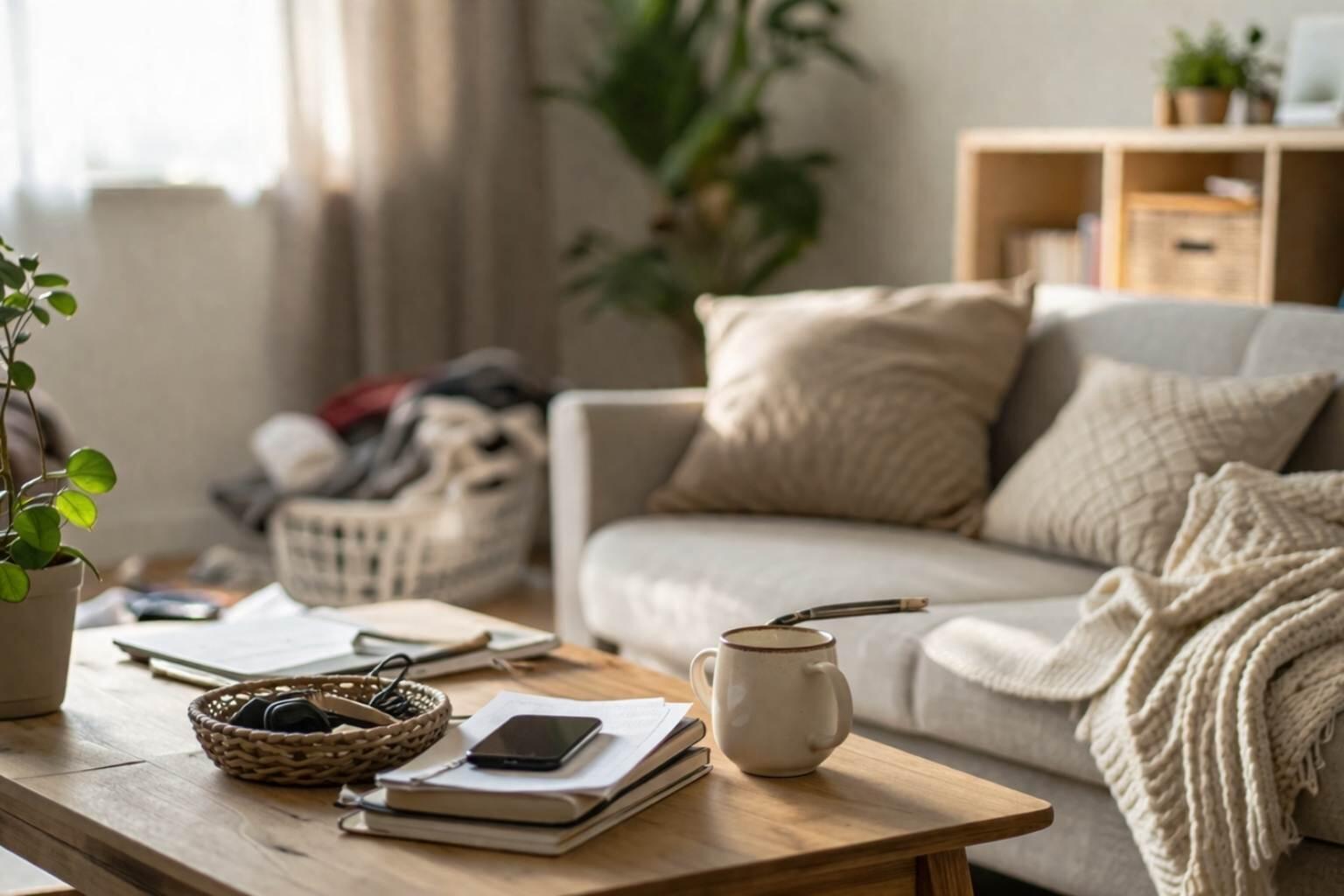
This does not mean your home needs to look minimal or empty. Feng shui is not about owning less for the sake of it. It is about ensuring your space supports your daily life and allows energy to flow more freely.
For busy people, this is especially important. When your schedule is full, your home should help you feel grounded, not overstimulated.
The best decluttering method: small, focused, and consistent
The most effective feng shui decluttering method for busy people is not a deep-clean weekend. It is a small, focused, and consistent approach.
Instead of trying to declutter the whole house at once, work in short sessions and choose one clear target at a time. This helps prevent overwhelm and makes it easier to keep going. In feng shui terms, even a small shift can improve the feeling of movement and spaciousness in a room.
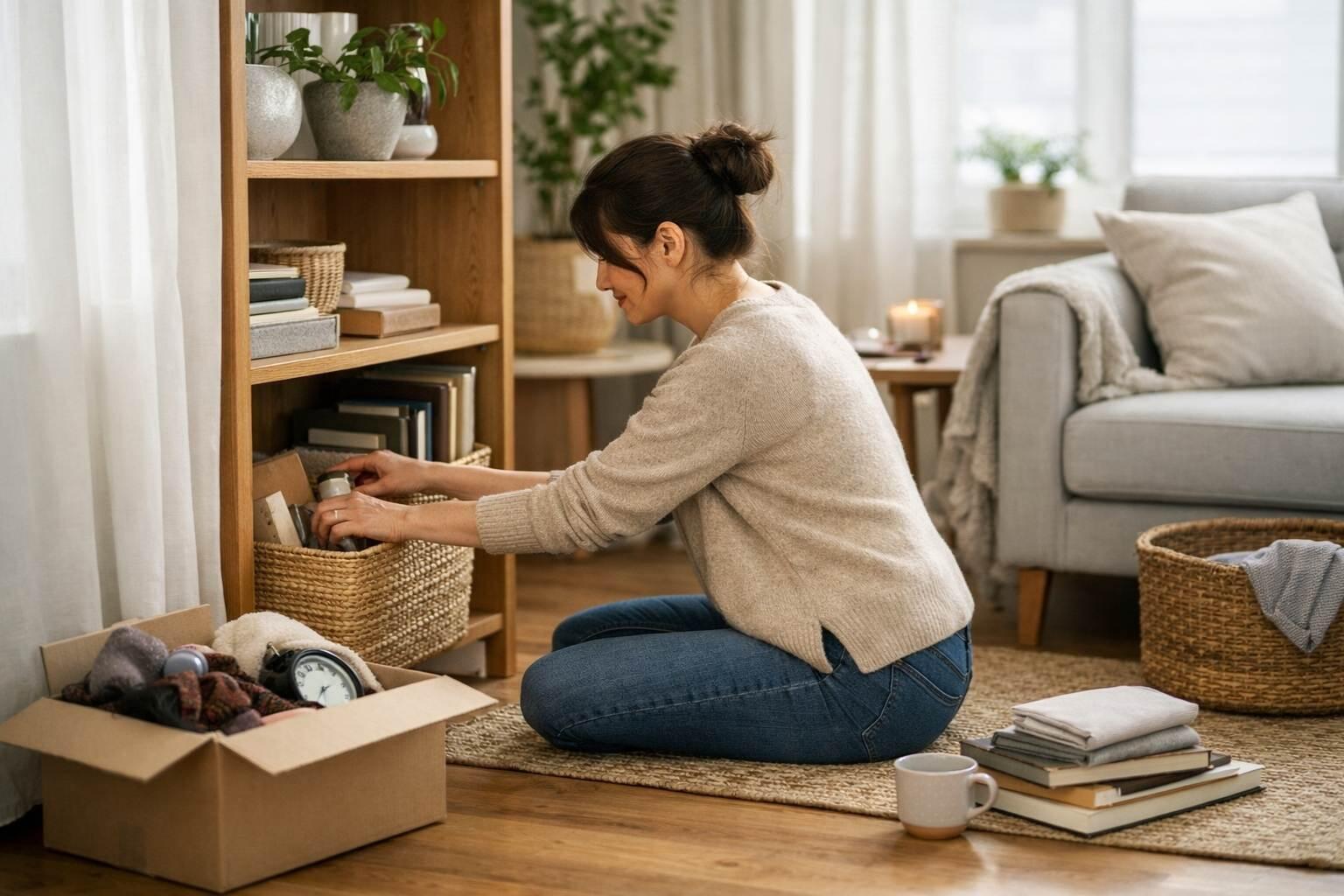
This method works well because it is:
- manageable on a busy schedule
- easier to maintain
- less emotionally exhausting
- more likely to become a habit
A clutter-free home usually does not come from one dramatic reset. It comes from repeated small decisions that create more ease over time.
Start with the areas that affect flow the most
If you do not know where to begin, start with the places that most influence daily movement and energy. These areas often create the biggest impact with the least effort.
Entryway
Your entryway sets the tone for the entire home. If shoes, bags, coats, and random items pile up here, the space can feel blocked before you even walk in. Clear the floor, reduce excess items, and keep only what is useful and current.
Bedroom
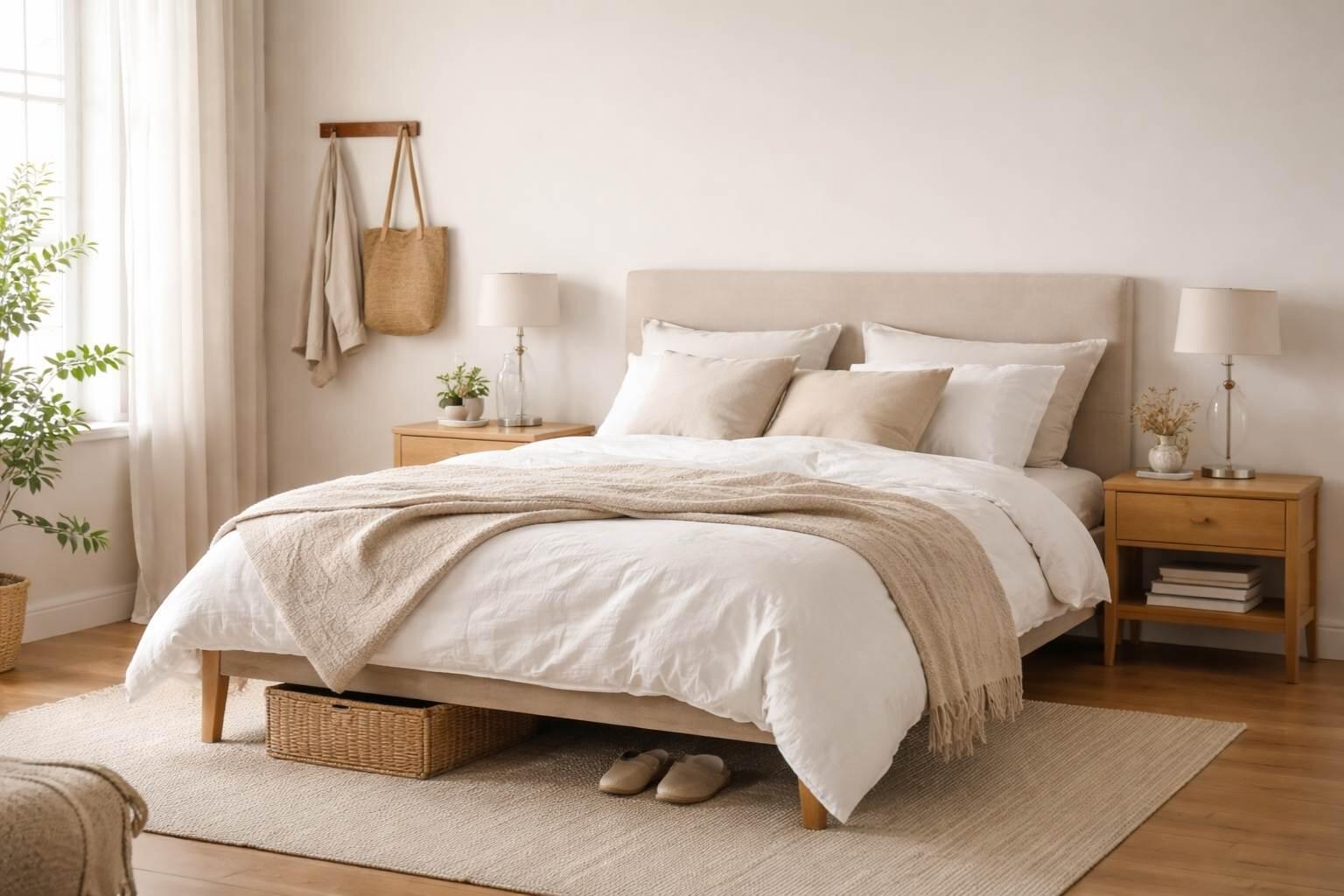
A cluttered bedroom can make a space feel restless instead of restorative. Focus on nightstands, visible surfaces, under-bed storage, and clothing piles. The goal is not perfection. The goal is to make the room feel calmer and easier to unwind in.
Kitchen counters
Crowded counters can create a sense of pressure and visual overload. Keep out the items you use regularly and store the rest. A more open kitchen often feels lighter and easier to manage.
Pathways and corners
Look for places where movement feels tight or interrupted. Clear walkways, remove awkward piles, and pay attention to neglected corners where stagnant energy tends to collect.
Use the “one zone, one decision” rule
One reason decluttering feels hard is that it creates too many decisions at once. A simple fix is the one-zone, one decision rule.
Choose one small zone, such as:
- one drawer
- one shelf
- one countertop section
- one basket
- one corner of a room
Then make one decision about each item in that zone: keep, relocate, donate, recycle, or discard.
This keeps the process clear and contained. You are not decluttering your whole life. You are just finishing one defined space before moving to the next.
This method also helps maintain feng shui flow because completed areas feel lighter immediately. That small result creates momentum.
A practical 15-minute feng shui decluttering routine
A short routine is often the best system for busy people because it is easier to repeat. Here is a simple 15-minute method you can use during the week.
Minutes 1–2: choose one target
Pick one small, visible area. Avoid starting with sentimental storage boxes or large mixed spaces when you are short on time.
Minutes 3–10: remove what does not belong
Take out anything broken, unused, outdated, or misplaced. Focus on obvious clutter first. Do not overthink every object.
Minutes 11–13: reset the space
Wipe the surface, return only what belongs there, and give items enough breathing room. In feng shui, open space matters. It allows a room to feel more balanced.
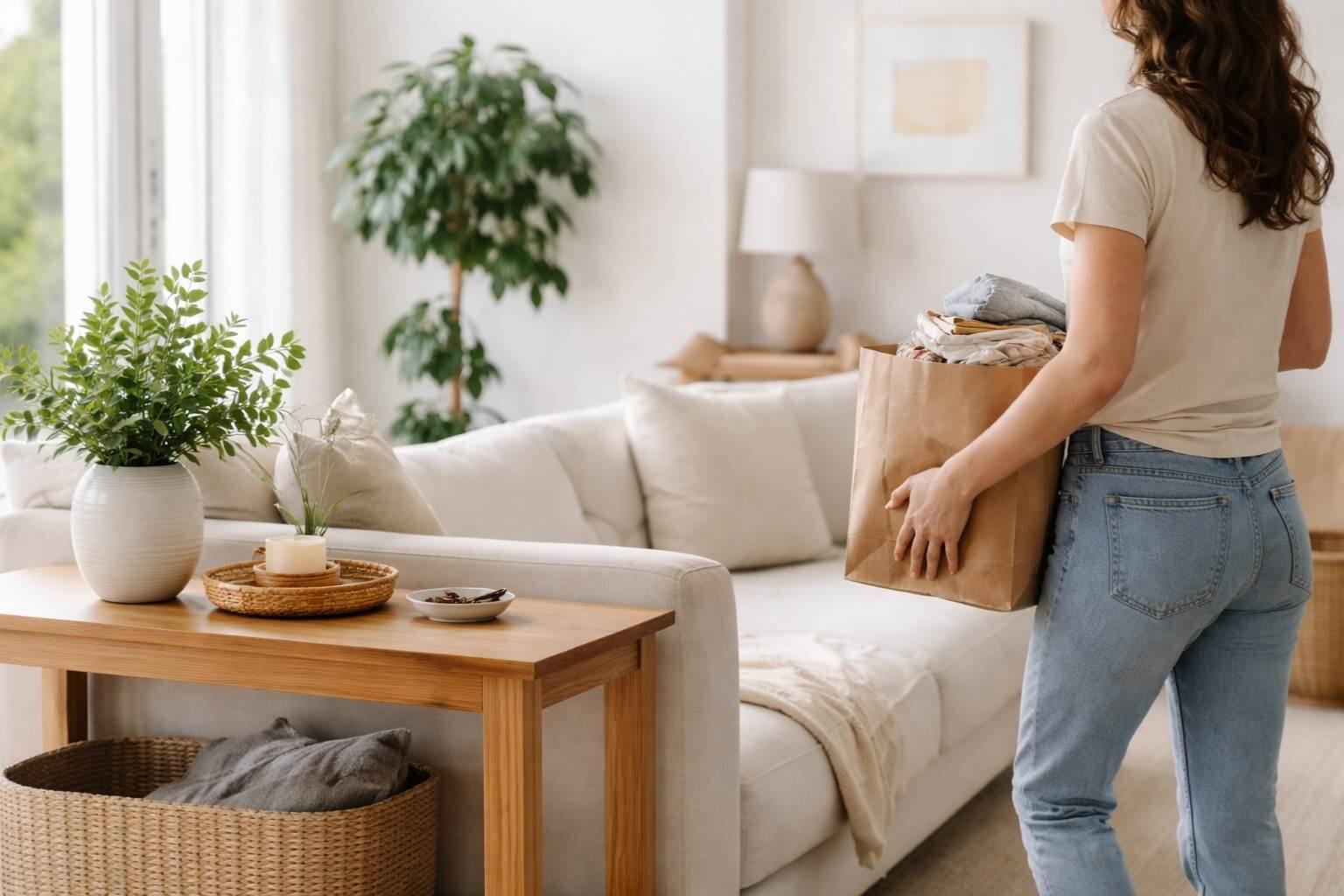
Minutes 14–15: move one bag out
If you created a donation bag or trash bag, move it out of the room immediately. This step matters. Decluttered items still create drag when they sit around waiting.
Done regularly, this quick reset can make a home feel more open without requiring major effort.
What to let go of first
When time is limited, start with the easiest categories. Quick wins build energy and confidence.
Begin with:
- Broken items you have not repaired
- Duplicates you do not need
- Expired products
- Clothes you no longer wear
- Paper piles with no purpose
- Random items left in the wrong room
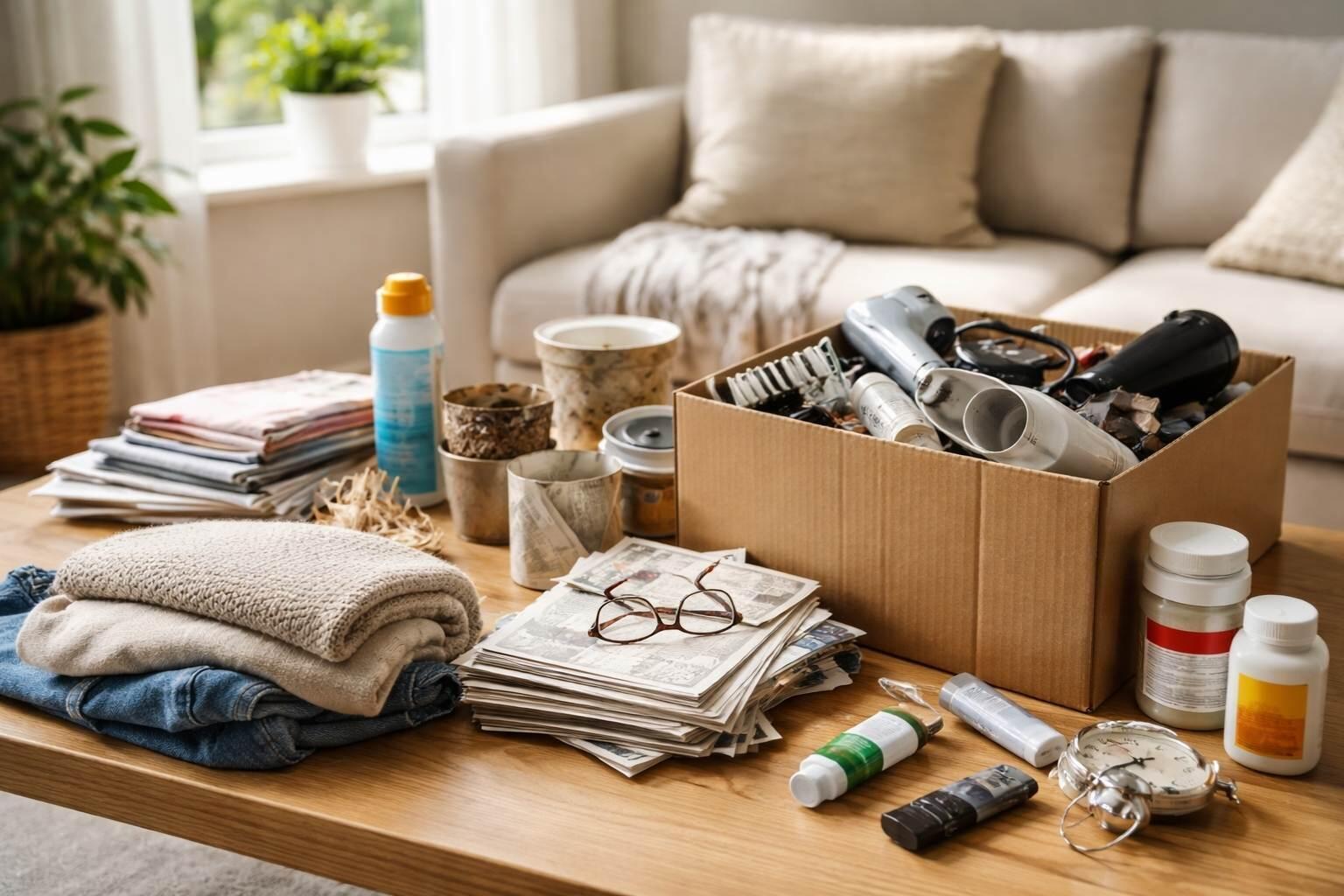
These categories usually involve less emotional resistance, which makes the process smoother. Once you build momentum, you can move on to more personal or sentimental items later.
A helpful feng shui question is: Does this item support the life I live now?
If the answer is no, it may be time to release it.
How to keep clutter from coming back
Decluttering once helps, but daily habits protect the flow of your home over time. A few simple systems can make a big difference.
Keep surfaces lightly styled
Not every flat surface needs to hold multiple items. Leave some open space on tables, counters, and dressers so the room can feel calmer.
Finish the cycle
Do not let donation bags, returns, or misplaced items linger for days. Completing the full cycle helps prevent clutter from re-forming.
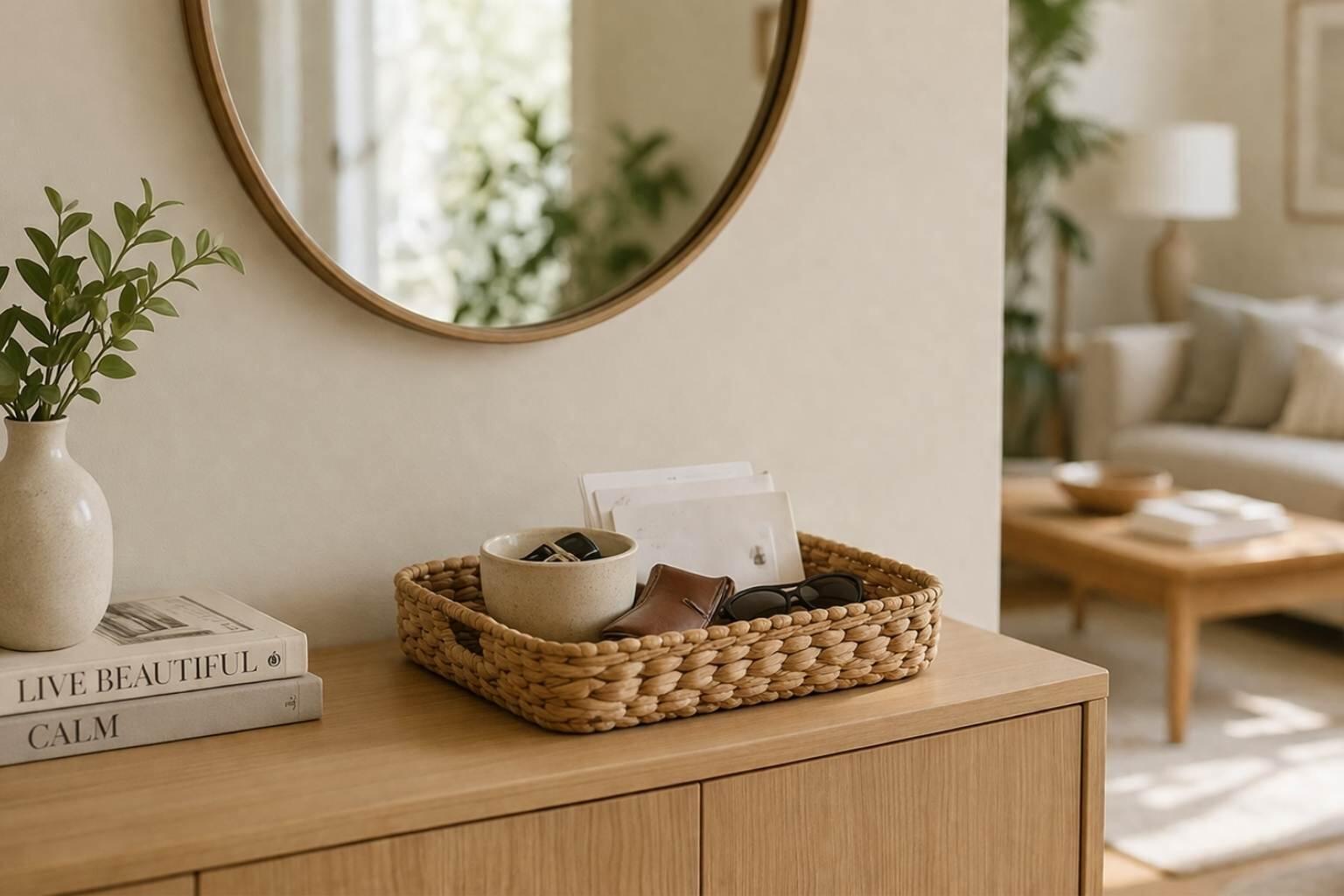
Use containers with limits
A basket, tray, or drawer can help organize small items, but only if the space has a limit. Once it overflows, it is time to edit.
Reset one space each evening
A five-minute reset of the entryway, kitchen, or living room can keep clutter from building up. Small resets are easier than large catch-up sessions.
The real goal of feng shui decluttering
The goal is not to impress anyone or create a picture-perfect home. The real goal is to make your space feel supportive, functional, and calm. Feng shui decluttering works best when it helps you remove what feels heavy and make room for what feels useful, peaceful, and aligned with your current life.
For busy people, the best method is the one you can actually maintain. A few focused minutes, a clear target, and a consistent routine can shift the energy of your home more than an occasional all-day purge.
Start with one small area today. Clear it fully, let the space breathe, and notice how the room feels afterward. That simple step is often enough to begin creating better flow throughout your home.
More Feng Shui Tips