
Feng Shui and Numerology for Beginners: What the Connection Really Is


Feng Shui and numerology are often explored separately, but they can complement each other in a surprisingly natural way.
Feng Shui focuses on the energy of your environment, while numerology looks at the symbolic meaning of numbers connected to your life.
Together, they can help you create a home that feels more intentional, supportive, and personally meaningful.
If you are new to both topics, this guide will help you understand the connection without making it feel overwhelming. You will learn what each practice does, where they overlap, and how to begin using both in a simple, grounded way.
What Feng Shui and Numerology Each Focus On
At a basic level, Feng Shui is about how energy moves through a space. It looks at layout, balance, placement, and the relationship between you and your environment. The goal is not perfection. The goal is to create a home that supports how you want to feel and function.
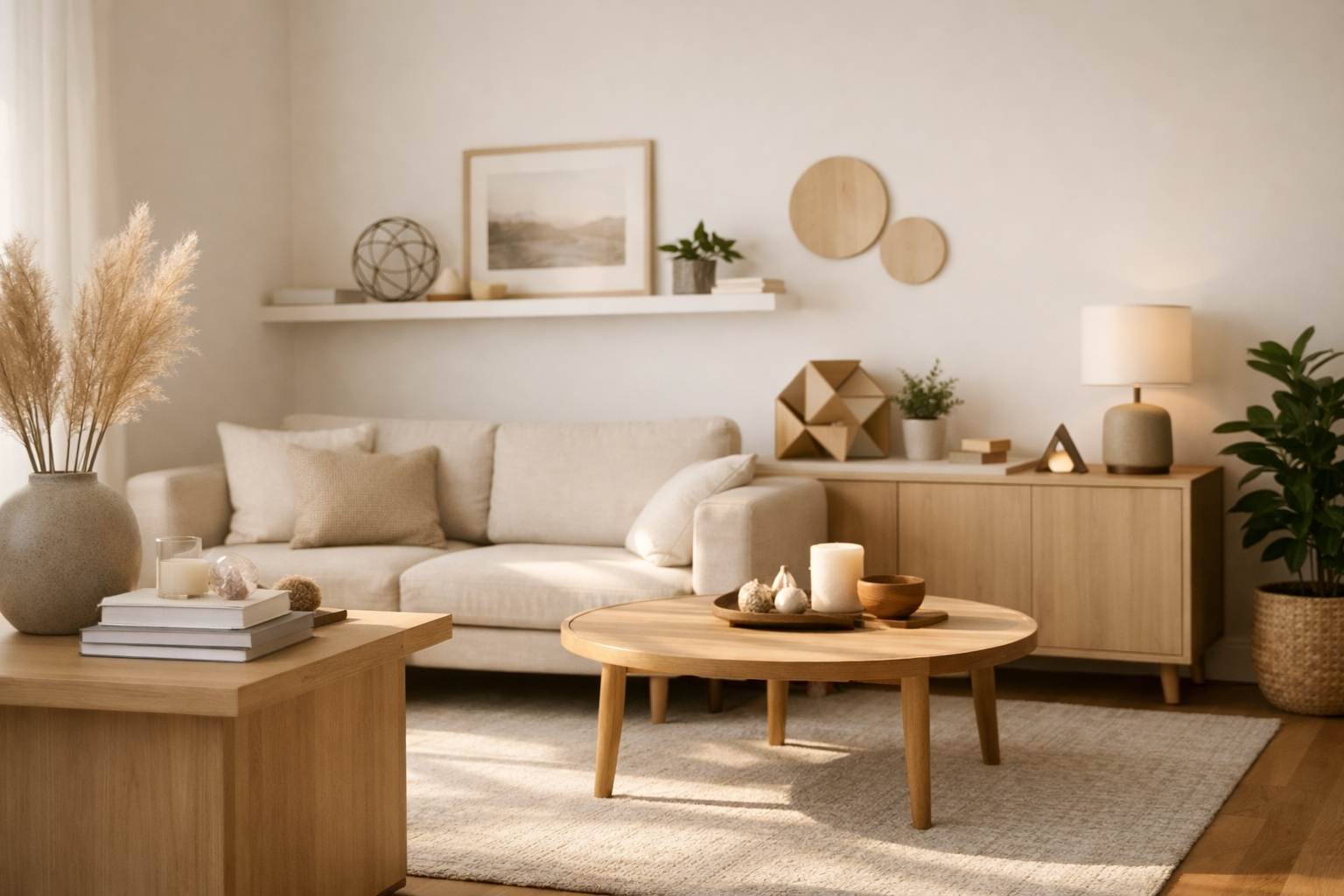
Numerology, on the other hand, focuses on the symbolic meaning of numbers. Many people explore numbers connected to their birth date or name to reflect on personality, tendencies, strengths, and life themes.
The reason these two practices fit together is simple: both are systems of meaning and alignment. Feng Shui works with the external environment. Numerology adds a more personal layer by helping you reflect on the energetic themes you may want to support in your home.
For beginners, this can be a helpful mindset:
Feng Shui shapes the space around you, while numerology adds a personal lens to how you work with that space.
Why the Connection Feels So Natural
People are often drawn to both Feng Shui and numerology for the same reason: they want their surroundings and daily routines to feel more aligned. One practice organizes the physical environment, and the other offers symbolic insight.
This does not mean you need to redesign your home around a number. It means you can use numerology as an extra layer of intention.
For example, someone who is focused on stability, discipline, and structure may be drawn to a calmer, more grounded home setup. Someone who wants more creativity, expression, or movement may prefer a brighter, more dynamic space. Feng Shui gives you tools to support those goals visually and spatially.
That is where the connection becomes useful. Numerology can help you reflect on the energy you want to invite in, and Feng Shui can help you express that intention in your home.
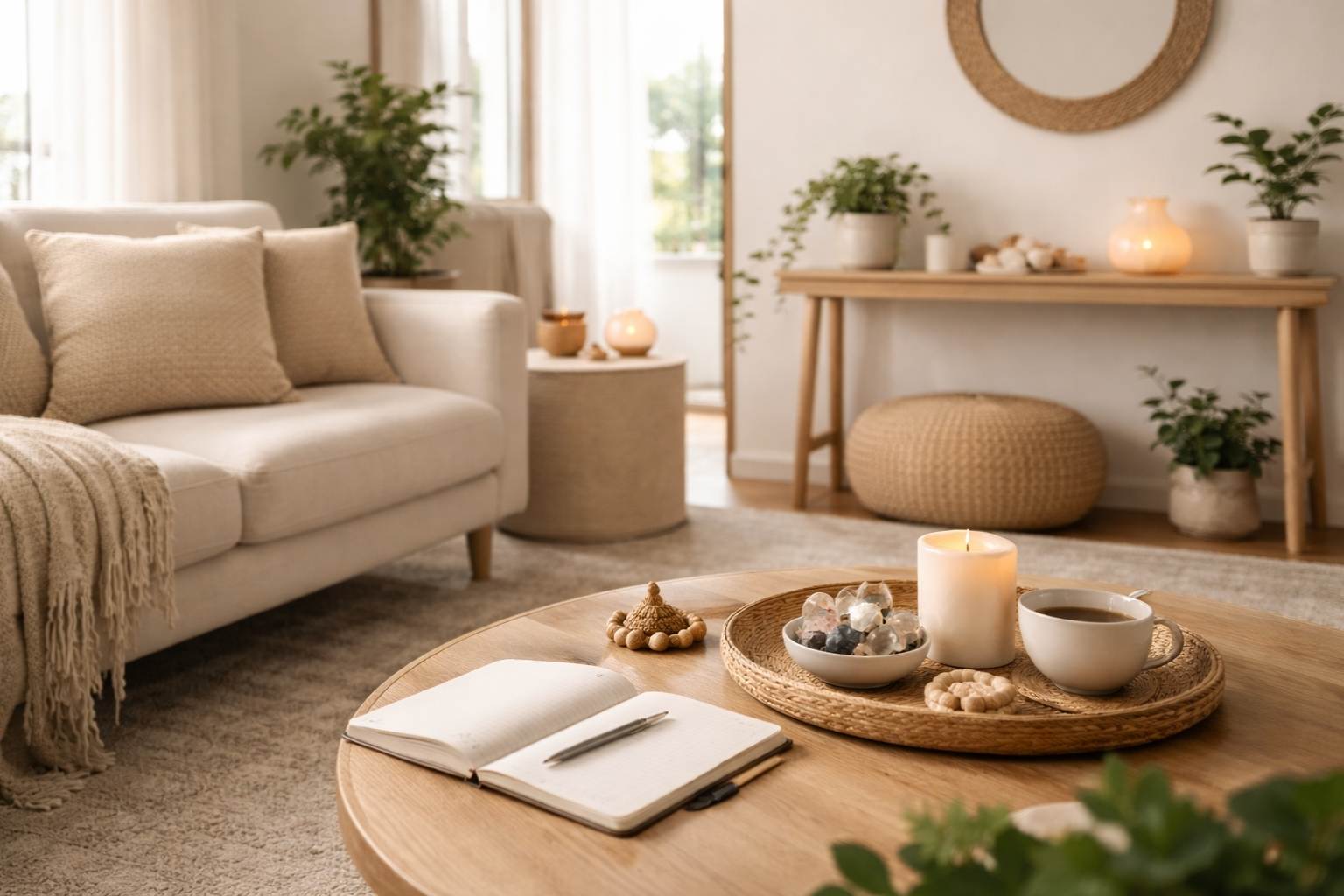
Simple Ways Beginners Can Use Numerology in Feng Shui
You do not need an advanced system to start. The easiest approach is to use numerology as inspiration rather than a rigid rulebook.
Here are a few beginner-friendly ways to combine both practices:
Use your personal numbers as a reflection tool
Your personal numbers can act as prompts for self-reflection. If your numbers point to qualities such as focus, nurturing, independence, creativity, or transformation, you can use that insight to shape your space.
Ask yourself:
What kind of energy do I want more of in my home?
What feels out of balance in my daily environment?
What changes would make my space feel more supportive?
Bring intention into specific rooms
Once you identify an energy you want to support, use Feng Shui basics to reinforce it. This could mean:
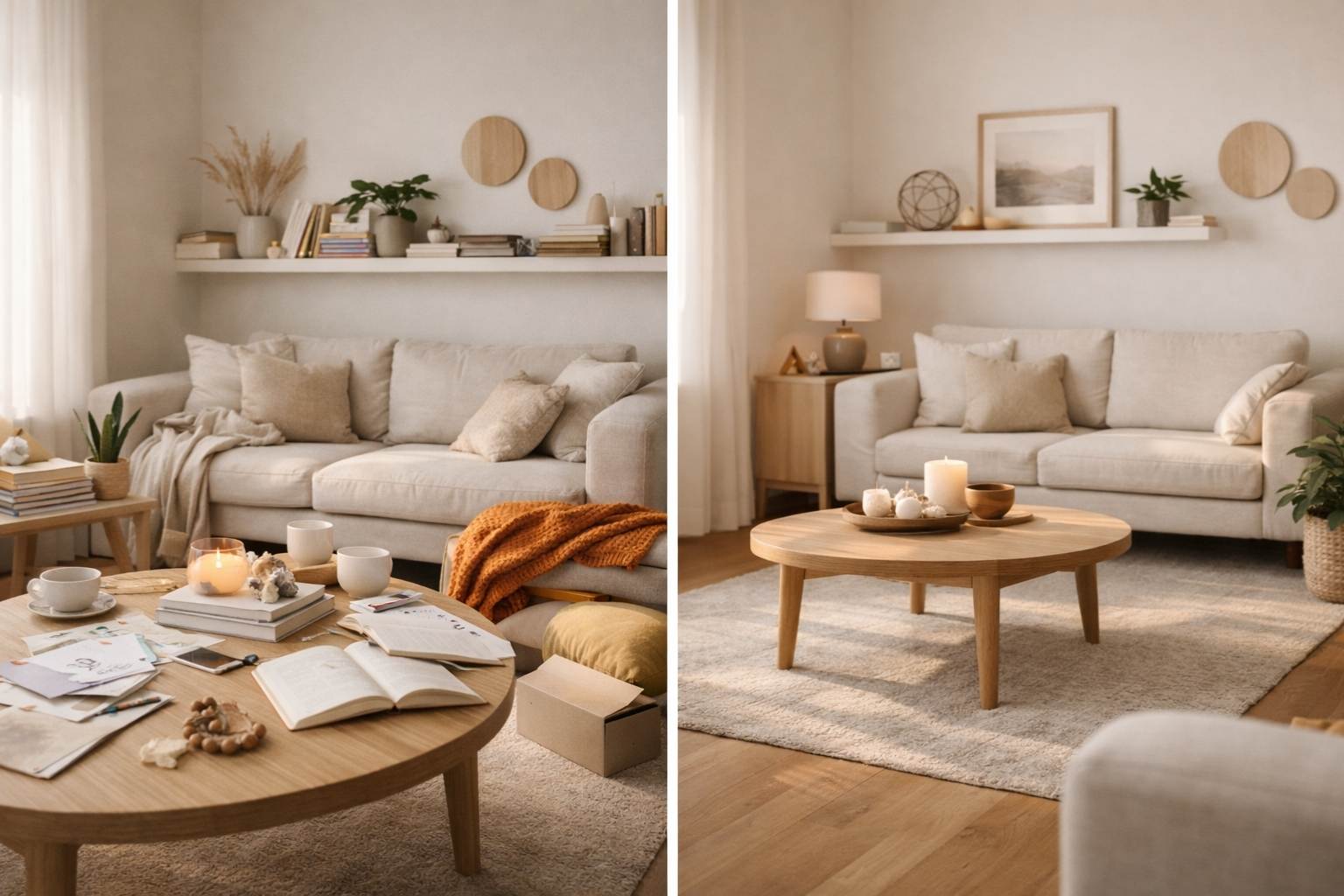
clearing clutter to create more mental calm
improving lighting to make a room feel more alive
using balanced decor instead of visual chaos
creating a more restful bedroom or a more focused workspace
Use numbers symbolically, not obsessively
Some people enjoy incorporating numbers into small design choices, such as sets of objects, decorative groupings, or repeated patterns. This can be meaningful when done with intention, but it works best when it still feels natural in the home.
The key is to keep it simple. Symbolism should support your space, not take control of it.
A Practical Beginner Plan to Combine Both
If you want to try Feng Shui and numerology together, start with a small, low-pressure process.
Step 1: Choose one intention
Pick one theme you want to support right now. This could be:
calm
confidence
creativity
focus
better rest
emotional balance
Step 2: Reflect on your personal energy
Think about what feels most relevant in this season of life. Some people like to explore their core numbers for this step because it gives them a clearer personal theme to work with.
A personalized numerology reading can be a helpful way to explore those patterns in more depth if you want a starting point that feels more personal and structured.
Step 3: Apply one Feng Shui improvement
Choose one area of your home and make one intentional change. Examples:
Remove clutter from the entryway
Refresh your bedroom layout
Add calming elements to a busy room
Improve your desk setup for better focus
Step 4: Observe how the space feels
Pay attention to what changes. Does the room feel lighter, calmer, more usable, or more supportive? Good Feng Shui is often something you feel before you can explain it.
Step 5: Keep adjusting gently
You do not need to do everything at once. Small, consistent shifts are often more effective than dramatic changes that are hard to maintain.
Common Mistakes to Avoid
When people first combine Feng Shui and numerology, they often make the process harder than it needs to be.
Treating everything as a fixed rule
Both practices are often more helpful when used as tools for awareness rather than strict formulas. Avoid the idea that one number or one placement will automatically solve everything.
Overdecorating with symbolism
It can be tempting to add too many symbolic objects, colors, or patterns at once. This usually creates visual clutter, which works against the calm and balance that many people are trying to build.
Ignoring the function of the room
A space still needs to work in real life. A beautiful symbolic setup will not help much if the room feels uncomfortable, cramped, or difficult to use.
Expecting instant transformation
Feng Shui and numerology are best approached as reflective practices. They can support intention, clarity, and mindful choices, but they are not shortcuts or guarantees.
How to Make the Practice Feel Personal and Grounded
The best way to use Feng Shui and numerology is to keep the process personal, simple, and realistic. Start with what already feels meaningful to you. Focus on one room, one intention, or one small shift at a time.
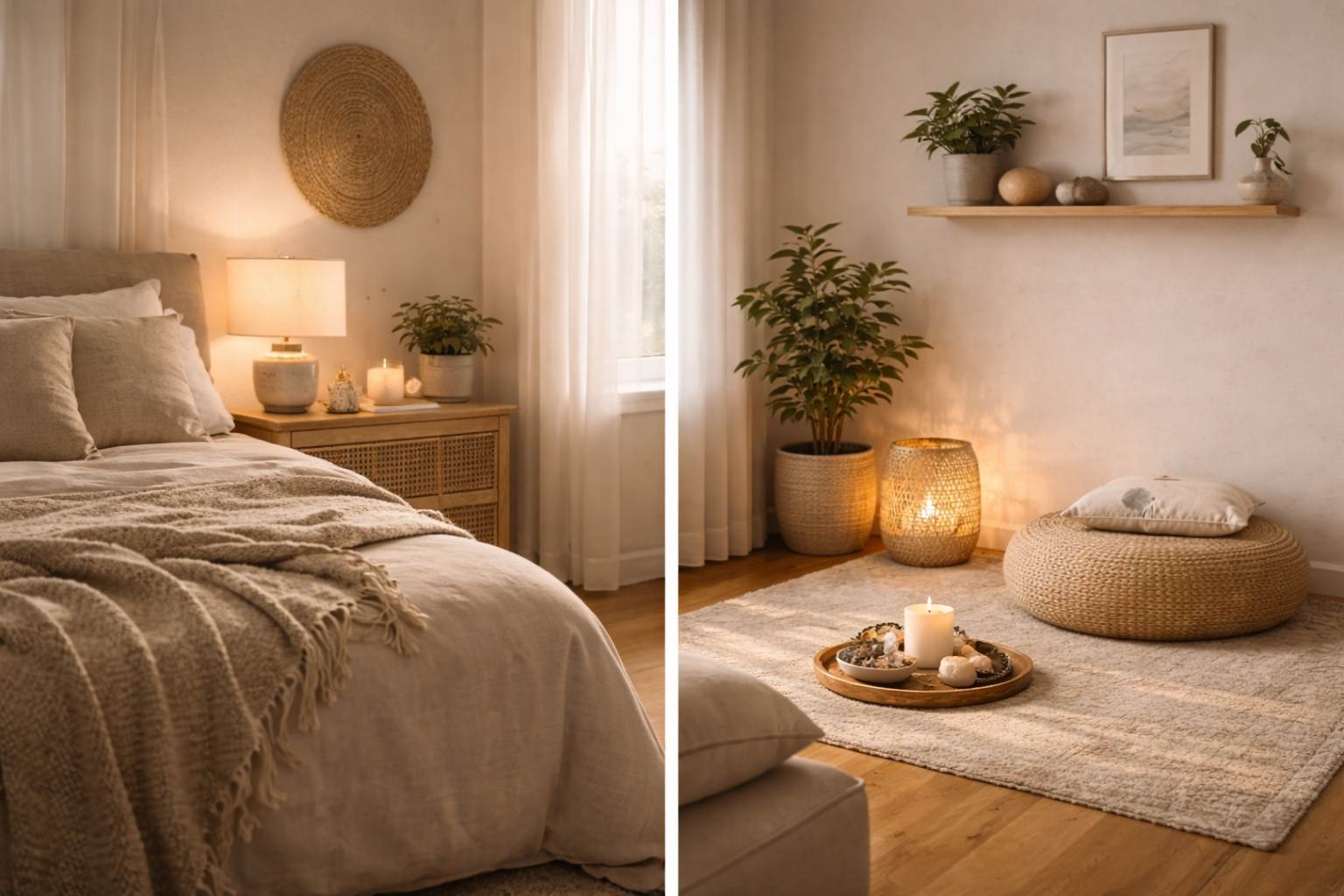
You do not need to follow every trend or make your home look a certain way. A more aligned space often comes from paying attention to how your environment affects your mood, energy, and daily habits.
If you want to go deeper, learning more about your personal numbers can provide additional insight. For many beginners, that is what makes the practice feel more connected and less generic. It gives you a clearer sense of what kind of support you want your home to offer.
Feng Shui and numerology can work beautifully together when you use them as gentle tools for self-awareness. Start small, keep what feels useful, and let your space evolve with intention.
If you’d like to explore your own numbers in a more personal way, this personalized numerology reading can be a helpful next step alongside your Feng Shui practice.
More Feng Shui Tips